
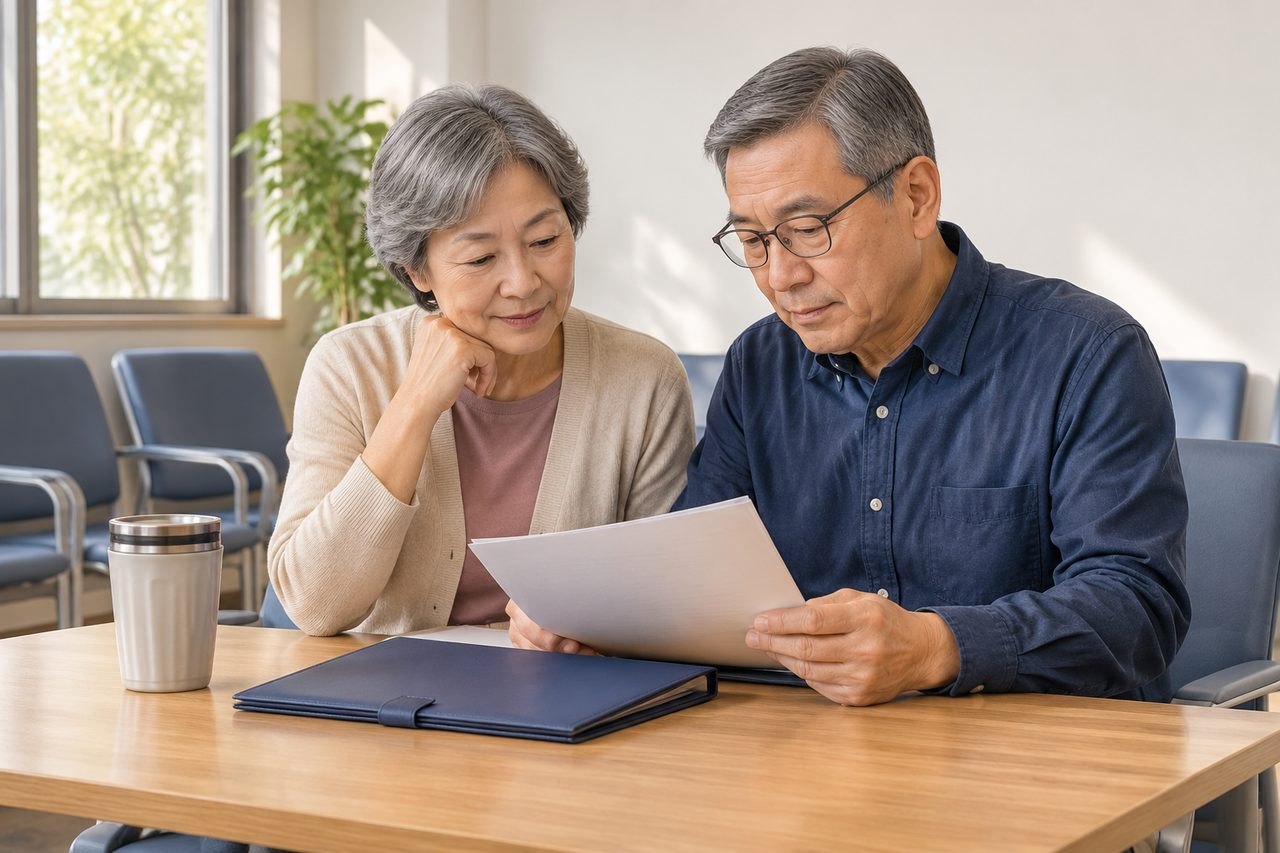
What emergency care in China actually looks like
Chinese hospitals generally separate emergency care from routine outpatient clinics. A hospital with an emergency department (急诊) receives walk-in and ambulance arrivals, triages patients by urgency, and can arrange imaging, blood tests and admission. Larger tertiary hospitals in major cities are more likely to have staff and equipment for complex emergencies, but the specific departments, language support and payment arrangements differ between hospitals and must be confirmed with the hospital itself.
The practical difference for a foreign visitor is process, not just medicine. Registration, triage, payment and consent may all happen under time pressure, and a hospital may ask for identification and a deposit or payment before or during treatment. Do not assume your home insurance card is accepted directly. Ask your insurer before travel what it requires for a Chinese hospital, whether it can arrange direct billing or reimbursement, and what documentation it needs. Keep the insurer's assistance number somewhere that does not depend on your phone's battery.
Emergency care also has limits that matter for planning. A hospital emergency department stabilises and treats urgent problems; it is not a substitute for follow-up with an appropriate specialist. If you are discharged with new medicines or instructions, ask for them in writing, including the medicine name, dose and duration, and ask who should review you afterwards. For a chronic condition, carry a short summary from your own doctor so a receiving clinician can understand your baseline.
Before you travel: the medication questions to settle
Regular medicine is the part of a China trip that rewards early planning. Start with your own prescriber: ask for enough supply to cover the whole trip plus a margin for delays, and ask whether any of your medicines need special handling, monitoring or dose adjustment during travel. Ask for a letter or summary listing each medicine's generic name, dose, frequency and the condition it treats. Generic names matter because brand names differ between countries.
Then separate two questions that are often confused. The first is what you may legally bring into China. China Customs is the authority on what travellers may carry, including prescription medicines and controlled drugs, and rules can depend on the medicine, the quantity and the documentation. The second is what you can obtain once there. These are different questions with different answers, and neither should be assumed from experience in another country.
For controlled or restricted medicines, including many pain medicines, sedatives and stimulants, the safest approach is to check the current requirements with China Customs or the Chinese embassy or consulate in your country before departure, and to ask your prescriber to document the clinical reason. Do not rely on a friend's past experience or on a general travel forum. If the answer is unclear, ask again in writing rather than deciding at the airport.
Carrying medicines: practical preparation
Keep medicines in their original, labelled packaging and carry them in hand luggage rather than checked baggage, so a delay does not separate you from them. Carry the prescriber's letter and a copy of your prescription separately from the medicines themselves. A printed list is more useful than a photograph on a phone that may be out of power or out of data.
Think about temperature and storage. Some medicines need refrigeration or protection from heat, and a long journey through a hot climate can matter. Ask your pharmacist how your specific medicines should be stored and whether a cool bag is appropriate. Do not repackage medicines into unlabelled containers to save space; that creates avoidable problems if you are asked about them.
Finally, plan for the scenario where your supply is lost, stolen or runs short. Before you leave, ask your prescriber and insurer what they would need to replace a medicine abroad, and keep a copy of your records somewhere you can access without your luggage. Replacement is not automatic: a Chinese clinician would need to assess you and decide whether and how to prescribe, and the relevant pharmacy or provider decides dispensing and stock. A coordinator can help you find an appropriate consultation, but cannot decide those clinical or dispensing questions.
If you need medicine while in China
If you run out of a regular medicine or need treatment for a new problem, the route is a clinical consultation, not a pharmacy request alone. A licensed clinician assesses the problem, considers your existing medicines and decides what, if anything, to prescribe. Bring your medicine list, your prescriber's letter and any recent test results. Be explicit about allergies, pregnancy, kidney or liver problems, and anything you already take, including supplements.
Prescribing rules, what a given pharmacy stocks, and how a prescription is dispensed are matters for the licensed clinician and the relevant pharmacy or provider. They are not decisions a travel coordinator can make. Ask the clinician to explain any new medicine, including how it interacts with your regular ones, and ask the pharmacy what documentation you will receive for insurance or for your doctor at home.
Language is a real safety issue here. If you do not speak Chinese, arrange interpretation for the consultation rather than relying on gestures at a counter. Confirm that the medicine name, dose and instructions are written down in a form you can read, and check that you understand how it relates to what you already take. If something is unclear, ask before leaving.
Where coordination ends and clinical decisions begin
Our team provides information and non-clinical coordination. We can help with specialist matching and appointment coordination, hospital navigation and interpretation, and practical local arrangements. For a medication or emergency question, the clinical decisions, prescribing, dispensing and hospital acceptance belong to the treating hospital and licensed clinicians. We do not provide emergency response, and we cannot guarantee appointment timing, hospital acceptance or a clinical outcome.
If you are planning care in China around a chronic condition, a useful first step is a short summary of your diagnosis, your current medicines and your main question. Our free initial case review checks what information is available and suggests a relevant next step; it is not a diagnosis or a promise of acceptance. A proxy consultation, where our doctor takes records to a hospital specialist while you remain at home, is optional and not a prerequisite for care.
For anyone travelling with a significant medical condition, the most valuable preparation is a conversation with your own treating team about fitness to travel, medicine supply and what to do if you become unwell abroad. That conversation belongs with clinicians who know your history, and it should happen before bookings are confirmed.
A short next step
If you are preparing for care in China and your main concern is a regular medicine or a chronic condition, send a brief summary through the enquiry form, email or WhatsApp. Include your diagnosis, your medicine list and the question you need answered. Keep the first message short; we will explain what records are useful once contact is established. For an urgent problem while in China, contact local emergency services or go to a hospital emergency department rather than waiting for an enquiry reply.
Sources & scope of this guide
References and official service information relevant to this guide.
This is general planning information and has not been individually reviewed by a doctor. Medical decisions and personal treatment advice come from your treating clinicians.