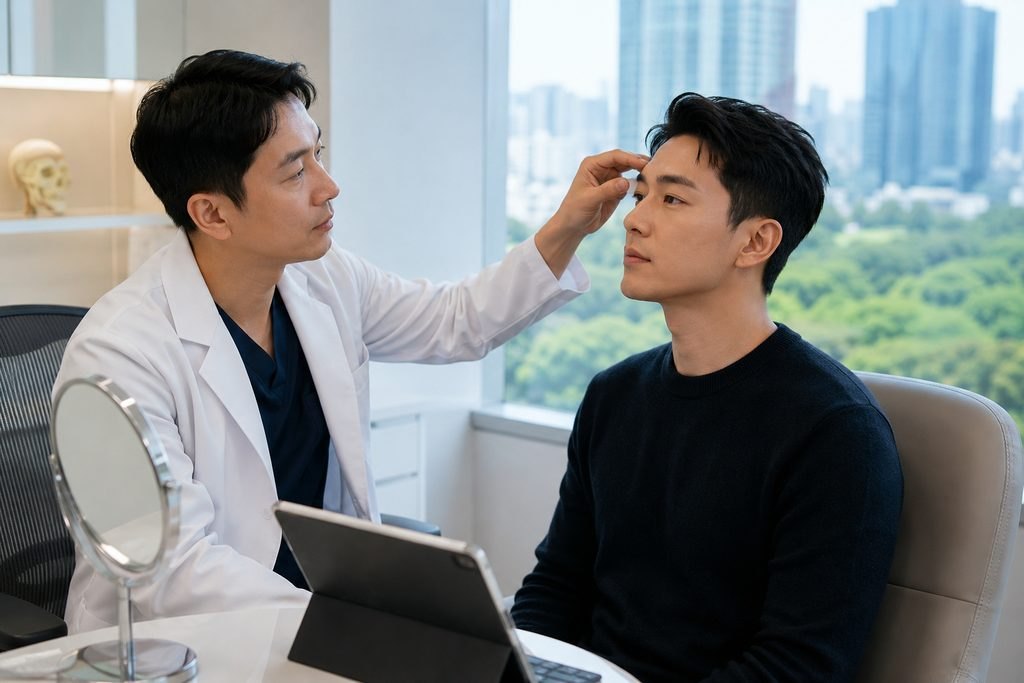
Why a general reply is not an appointment
When you contact a hospital or an intermediary about eyelid surgery, the first response is often a message that says your enquiry has been received and that the hospital can help. That message is useful as an acknowledgement, but it does not tell you where to go, who will see you, or what kind of visit has been arranged. Treat it as the start of a confirmation process, not the end.
An appointment for eyelid surgery has several separate parts, and each one affects your planning. The department determines which clinical team reviews your eyes and eyelids. The campus determines which building you attend, which matters in cities where one hospital group runs several sites. The appointment type determines whether you are booking an assessment, a surgical date, or a follow-up. The named clinician determines who is responsible for the plan. If any of these is missing, you do not yet have a confirmed appointment.
This distinction matters because eyelid surgery covers more than one clinical situation. Blepharoplasty removes excess eyelid tissue, and assessment considers the eyelids, eye health and the reason for surgery. A functional concern and a cosmetic goal can lead to different discussions, and the receiving clinician decides which department and which assessment are appropriate. Your job before travel is to get that decision documented, not to assume it.
The four details to get in writing
Ask for confirmation of four items in the same message so that the reply is complete rather than partial. First, the exact department or clinic name, not a general specialty label. Second, the hospital campus and address, including the building if the site is large. Third, the appointment type: assessment visit, surgical consultation, procedure date, or follow-up. Fourth, the name and role of the clinician who will see you, or a clear statement that the clinician is assigned on the day.
If the reply gives only some of these, reply with the missing items listed as questions. For example: which department will review my eyelids, which campus should I attend, is this an assessment or a procedure appointment, and who will I see? Keeping the questions in one short list makes it easier for the hospital to answer fully and reduces the chance of another partial reply.
It also helps to ask what the appointment is expected to include. Will the visit involve an eye examination, a discussion of goals, or both? Will a separate eye assessment be arranged before any surgical decision? These are clinical questions for the treating team, and the answers shape what you prepare. Do not treat a provisional reply as a confirmed stage of care.
Explain your goal before asking about the procedure
Eyelid surgery enquiries go wrong when the patient asks only for a procedure name and the hospital replies with a generic acknowledgement. A more useful first message states what is bothering you and what you hope to change. For example, whether the concern is excess eyelid skin affecting your field of vision, a cosmetic appearance goal, or something your local clinician has already assessed. This helps the receiving team route your enquiry to the right clinician.
Ask about the proposed procedure in plain terms. What operation is being considered, what tissue is removed or adjusted, and what the alternatives are? Ask whether the plan addresses the eyelid skin only or also the position of the eyelid margin, because eyelid skin surgery is not automatically ptosis repair. If your concern includes a drooping eyelid, say so explicitly and ask whether that requires a separate assessment.
Ask about follow-up visits as well. How many follow-up appointments are expected, where are they held, and what happens if you return home before the final review? The treating team decides the follow-up schedule, so ask them rather than relying on a general assumption. If you cannot stay for the full follow-up period, raise this before booking anything, because it may change the plan.
Records and the separate eye assessment
The hospital will need enough information to decide whether it can assess you and what the visit should include. A short summary is enough for a first enquiry. After first contact, the hospital or coordinator can tell you which records to send and how to send them. Do not send passport numbers, card details or a complete medical archive in your first message.
Useful items to ask about include recent photographs of your eyelids and eye area, any previous eyelid or eye surgery records, a list of current medicines and allergies, and any local clinician's note describing the concern. Ask the receiving clinician whether they want a formal eye assessment, such as a vision or tear-film evaluation, before deciding on surgery. Do not arrange tests yourself based on a general list; the treating team should specify what it needs.
If you have a local eye specialist, ask whether a short letter from them would help. A clear statement of the concern and any measurements already taken can reduce repetition. The receiving clinician still makes the final assessment, and a records-based review does not establish final surgical eligibility or hospital acceptance.
What to confirm about timing and travel
Do not book flights or accommodation until the appointment type is confirmed. An assessment visit and a procedure date have different implications for how long you need to stay and whether you need a companion. Ask the hospital how much time to allow for the appointment itself, whether any pre-procedure preparation is required, and when the surgical date would be set if surgery is recommended.
Ask what the hospital's own written instructions say about arriving, fasting, medicines and aftercare. These are clinical and administrative instructions from the treating provider, not general travel advice. If you take medicines that affect bleeding or healing, ask the prescribing clinician and the surgical team how these should be managed; do not change anything on your own.
If you need interpretation during the appointment, ask whether the hospital provides it or whether you should arrange it separately. Confirm whether the clinician you will see speaks your language, and whether written information will be available in English. These practical points are easier to resolve before travel than on the day.
How ChinaSpecialistCare can help with confirmation
ChinaSpecialistCare provides non-clinical coordination for international patients. For an eyelid surgery enquiry, we can help you prepare a short summary of your goal and records, request a specialist appointment, and confirm the department, campus and appointment type in writing. We can also arrange interpretation and practical support during the hospital visit if you need it.
We do not decide suitability, prescribe treatment or guarantee that a hospital will accept your case. The treating hospital and its licensed clinicians make those decisions. An initial enquiry is free and does not require buying a proxy consultation. You can start with a brief summary by the enquiry form, email or WhatsApp, and we will explain how to share records after first contact.
For confirmed services and the relevant procedure reference, see the eyelid surgery page linked below. It complements this guide by describing the procedure itself, while this article focuses on confirming the department and appointment.
Sources & scope of this guide
References and official service information relevant to this guide.
This is general planning information and has not been individually reviewed by a doctor. Medical decisions and personal treatment advice come from your treating clinicians.