Why an Estimate Cannot Cover Every Facelift Decision
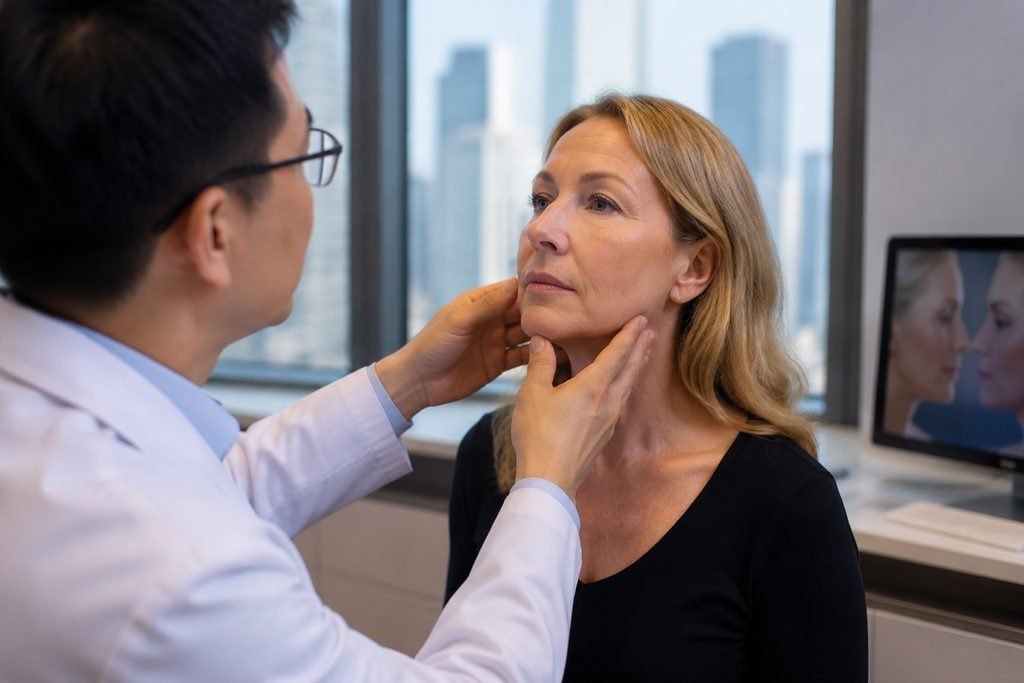
Facelift surgery addresses loose facial skin, and the extent of surgery and the expected result require an individual discussion with the treating surgeon. That clinical reality shapes how any estimate works. The surgeon cannot finalise the operative plan until he or she has examined you, reviewed your history and agreed your goals. An estimate prepared before that discussion is therefore a scope document, not a final bill.
This matters for overseas patients because the first written figure often arrives before a consultation. It may be based on photographs, a questionnaire or a short summary. It can tell you the hospital's starting position, but it cannot tell you what the surgeon will actually do once you are in the room. The gap between those two things is exactly where unexpected charges appear.
The practical response is not to distrust the estimate. It is to read it as a list of assumptions. Each assumption is a question you can ask before you travel, and each answer tells you whether the figure is likely to hold.
Which Areas and Procedures the Estimate Actually Covers
Facelift is a broad term. Surgeons use it for different combinations of work on the mid-face, jawline, neck and sometimes the brow or eyelids. Two quotes with the same headline word can describe very different operations. Before comparing anything, ask the hospital to write down which anatomical areas its figure includes and which procedures it names.
A useful question is whether the estimate covers one region or several. If the neck is included but the mid-face is not, the document should say so. If the plan involves additional procedures such as eyelid surgery or liposuction under the chin, ask whether those are inside the quoted scope or treated as separate work. Do not assume that a facelift quote automatically includes everything the surgeon might recommend.
Ask also whether the figure assumes a particular surgical technique. Some approaches involve more operating time, different instruments or additional clinical staff. If the technique changes after examination, the scope may change with it. The hospital should be able to explain which technique its estimate assumes and what would happen if the surgeon proposed another.
Finally, ask what the estimate says about revision or touch-up work. Do not assume that follow-up procedures are included, and do not assume they are excluded. Ask the provider to state its own written position on this point, because policies differ between hospitals and between individual surgeons.
Items That Commonly Sit Outside a Surgical Quote
Read the written estimate for the episode and services it actually names; do not assume that it covers every cost connected with your trip or later care. The way to find the edges is to ask the hospital to list what its figure does not include, in writing, rather than to guess.
Start with the clinical pathway. Ask whether the quoted scope covers the pre-operative assessment, any tests the surgeon orders, anaesthesia, the operating theatre, the surgeon's and anaesthetist's professional fees, the hospital stay and post-operative dressings or garments. Some hospitals bundle these; others itemise them. The estimate itself should show which approach applies.
Then ask about medicines. Ask whether the figure includes drugs given during the admission and any take-home medication, or whether those are billed separately. This is a question for the named hospital, not a general rule about China.
Ask about the ward. Hospitals may offer different room categories, and the estimate may assume one of them. If you choose a different room, ask how that changes the figure. Ask the same question about any intensive or high-dependency care that might be needed, and about what happens if the planned day-case or short-stay arrangement becomes an overnight admission.
Finally, ask about anything that would be triggered by an unexpected finding during surgery. The hospital should explain how it would seek your authorisation if the surgeon needed to extend the procedure, and who would be contacted if you were not able to decide at that moment.
What the Surgeon Must Assess Before the Scope Is Final
The estimate cannot be final until the surgeon has assessed you. That assessment covers your general health, any medicines you take, previous facial procedures, skin condition and the goals you are bringing to the consultation. Each of these can change what is safe and what is sensible.
Previous procedures deserve particular attention. Scar tissue, altered anatomy and prior implants or fillers can all affect how a surgeon plans a facelift. If you have had earlier facial surgery, ask what records the hospital wants and whether the surgeon needs to review them before confirming scope.
Ask how the team assesses your goals. A facelift changes loose facial skin, but the result a patient hopes for and the result a surgeon considers achievable are not always the same. The consultation should include a frank discussion of what the operation can and cannot do, and of the alternatives. Ask what the surgeon would want you to understand before you decide.
Ask about reviews before return travel. You will want to know how many post-operative appointments the surgeon expects, what each one involves and whether the plan assumes you remain in the city for a defined period. Do not rely on a general assumption about recovery time. Ask this hospital what it recommends for your situation, and ask how that recommendation would be confirmed in writing.
Turning the Estimate Into a Written Scope You Can Compare
Once you have the hospital's answers, assemble them into one document you can read alongside the original estimate. This is not a contract; it is a record of what has been agreed and what remains open. It makes later conversations much easier.
A practical format lists the quoted figure, the areas and procedures it covers, the items the hospital has confirmed as excluded, the items still undecided, and the authorisation process for anything new. Add the name of your contact and the date of each written reply. If the hospital revises the estimate, keep both versions.
If you are comparing hospitals, compare these documents rather than headline figures. Two quotes may look similar until you see that one includes the anaesthetist and the other does not, or that one assumes a single area and the other covers several. The comparison only becomes meaningful when the scope is written down.
You can begin with a short summary of your situation and your main question. An initial enquiry is free and does not commit you to anything. If you later want a records-based opinion from a hospital specialist while you remain at home, that can be arranged separately, but it is optional and not a prerequisite for an appointment.
For background on the procedure itself, see the facelift surgery reference. When you are ready, send your question and any relevant records through the enquiry form, email or WhatsApp. The hospital, not a coordinator, decides whether surgery is suitable and what the final scope will be.
Sources & scope of this guide
References and official service information relevant to this guide.
This is general planning information and has not been individually reviewed by a doctor. Medical decisions and personal treatment advice come from your treating clinicians.