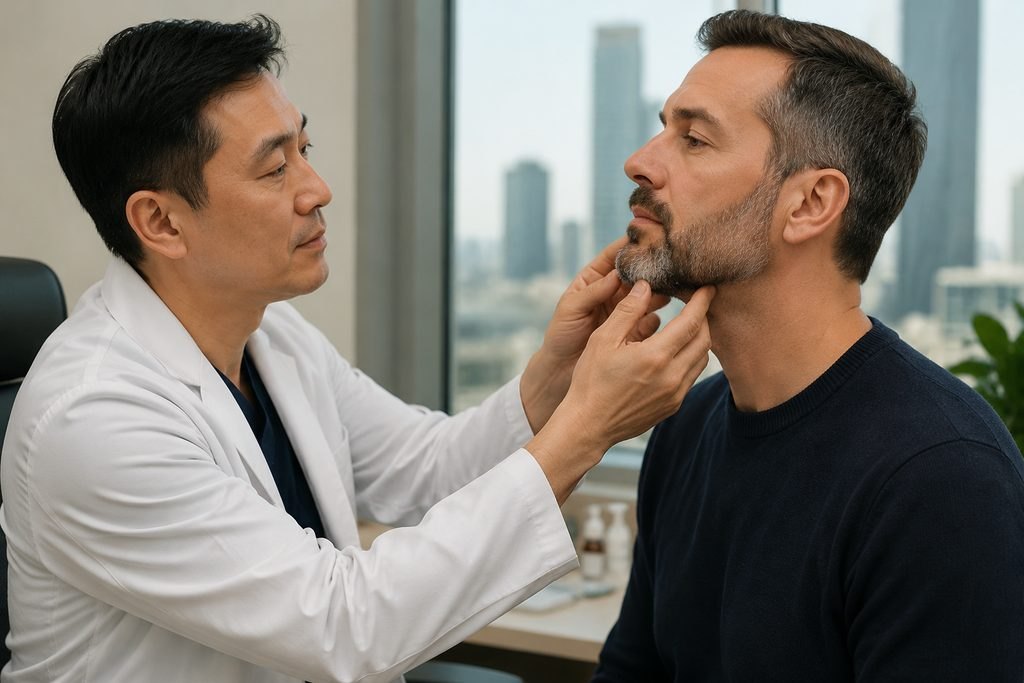
Which areas and procedures does the plan actually cover?
A facelift is not one uniform operation. Facelift surgery addresses loose facial skin, and its extent and expected result require an individual discussion. That discussion should define the anatomical areas the surgeon intends to treat and the specific techniques planned. Without that definition, you cannot compare what one hospital proposes with what another proposes, and you cannot understand what the recovery period will involve.
Ask the surgical team to list the areas in scope: for example, the mid-face, jawline, neck, or a combination. Ask whether the plan includes only skin tightening or also work on deeper tissue layers. Ask whether any additional procedure is included in the same session, such as eyelid surgery, brow work, liposuction, or fat grafting. Each addition changes the surgical time, the recovery experience, and the consent you are signing.
The reason this matters is that consent forms often describe a category of operation rather than the exact plan for your face. If the form says "facelift" but the discussion covered a neck lift plus mid-face suspension, the document and the plan do not match. Ask for the written plan to use the same terms as the consent form.
If you have had previous facial procedures, tell the team and ask how those affect the current plan. Previous surgery can change tissue quality, scar patterns, and what is technically achievable. The team should explain how they incorporated that history into the proposed approach, not simply note it in your file.
How did the team assess your goals and your suitability?
Consent is not only about the operation; it is about whether the proposed operation matches what you want. Ask the surgeon to explain how they assessed your goals. What did they understand you to be seeking? What did they say was realistic, and what did they say was not? If the consultation was brief or conducted through an interpreter, confirm that your priorities were accurately conveyed.
Ask how the team assessed your suitability for this specific procedure. Facelift surgery is individual, and the treating clinician decides whether it is appropriate for you. The hospital decides suitability, not a coordination service. Ask what factors in your medical history, skin condition, or facial anatomy influenced their recommendation. Ask whether they considered alternatives, including non-surgical options or a more limited procedure, and why they preferred the plan they proposed.
This matters because a consent discussion should include the reasoning behind the recommendation, not only the steps of the operation. If you do not understand why this plan was chosen for you, you cannot give informed consent. Ask the team to explain in plain language, and ask for interpretation if the discussion was in a language you do not fully follow.
If the team recommended a different plan from what you originally expected, ask what changed and why. A changed recommendation is a normal part of surgical planning, but you should understand the reason before you agree. Ask whether the change was based on your examination, your photographs, your medical history, or a combination.
What reviews are needed before you return home?
Overseas patients need a clear answer about follow-up before they consent. Ask the surgical team what reviews are planned after the operation, where they will take place, and who will conduct them. Ask whether the reviews require you to remain in China, and for how long the team recommends you stay before travelling. Do not accept a vague answer; ask for the plan in writing.
Ask what happens if a review reveals a concern after you have returned home. Who will you contact? How will the team communicate with a clinician in your home country? Ask whether the hospital can provide records, photographs, or a summary that a local clinician can use. Ask what the team's process is for remote follow-up, and whether they offer it at all.
This matters because facelift recovery involves healing that continues after you leave the hospital. The team should explain what normal healing looks like, what warning signs require urgent attention, and how to reach them if something concerns you. Ask for those instructions in writing, in a language you understand.
Ask whether the plan includes any revision or touch-up procedure, and under what circumstances. Do not assume that a revision is included or excluded; ask the named provider what its written plan and quote include. If the answer is unclear, ask for it in writing before you consent.
What does the consent form say about risks and alternatives?
Ask the surgeon to walk through the consent form with you, section by section. Ask them to explain the risks in plain language, including the risks of the procedure itself and the risks of anaesthesia. Ask what the team does to reduce those risks and what happens if a complication occurs. You are entitled to ask about evidence-based risk estimates and the uncertainty around them; a responsible clinician can discuss this with you.
Ask what alternatives exist, including doing nothing. Consent is only meaningful if you understand what else you could choose. Ask whether a non-surgical option, a smaller procedure, or a delayed decision is reasonable in your case. Ask the surgeon to explain why they recommend the proposed plan over those alternatives.
This matters because a consent form is a record of a discussion, not a substitute for one. If you do not understand a term or a risk, ask for clarification before you sign. If the discussion happens through an interpreter, confirm that the interpreter is conveying your questions and the surgeon's answers accurately.
Ask what the plan says about scars. Facelift surgery involves incisions, and the team should explain where they will be placed and how they expect them to heal. Do not accept a promise of no scars; ask for a realistic explanation of scar placement and care.
What practical arrangements should be confirmed before consent?
Before you agree to care, confirm the practical details that affect your decision. Ask which hospital will perform the operation and who will be the operating surgeon. Ask whether the surgeon you consulted will perform the procedure or whether another clinician will. Ask what the admission process involves and what you need to bring.
Ask how payment works. Hospital fees, coordination fees, and travel costs are separate. Ask the named provider what its written quote includes and what it does not. Do not rely on a verbal estimate; ask for the scope in writing. If you are using a coordination service, ask separately what its fees cover and what they do not.
Ask about language support during admission, surgery, and follow-up. If you do not speak Chinese, confirm that interpretation is available and who arranges it. Ask whether the consent form and discharge instructions are available in English or another language you understand.
This matters because practical gaps can become clinical problems. If you do not know who to contact after discharge, or if you cannot read your own discharge instructions, you cannot follow the plan safely. Confirm these arrangements before you consent, not after.
What should you do if an answer is still missing?
If any of the questions above remain unanswered, do not sign the consent form yet. Ask the surgical team to provide the missing information in writing. If the team cannot or will not answer, that itself is information you should weigh in your decision.
You can also ask for a records-based opinion before you travel. A proxy consultation is optional, not a prerequisite for every appointment or operation. If you want a specialist to review your records while you remain at home, you can request that separately. The hospital decides suitability, and a records review does not establish final eligibility or hospital acceptance.
An initial enquiry is free. You can start with a short summary of your situation and your main question. Our team checks the available information, identifies what is missing, and suggests the relevant next step. This is not a diagnosis or a promise of acceptance.
For confirmed help with records, interpretation, or a specialist appointment request, you can contact us after the initial enquiry. We provide information and non-clinical coordination; diagnosis, prescriptions, suitability, and treatment decisions belong to the treating hospital and licensed clinicians.
The next step is simple: write down the three questions from the opening answer, ask the surgical team for written responses, and do not consent until you understand the answers.
Sources & scope of this guide
References and official service information relevant to this guide.
This is general planning information and has not been individually reviewed by a doctor. Medical decisions and personal treatment advice come from your treating clinicians.