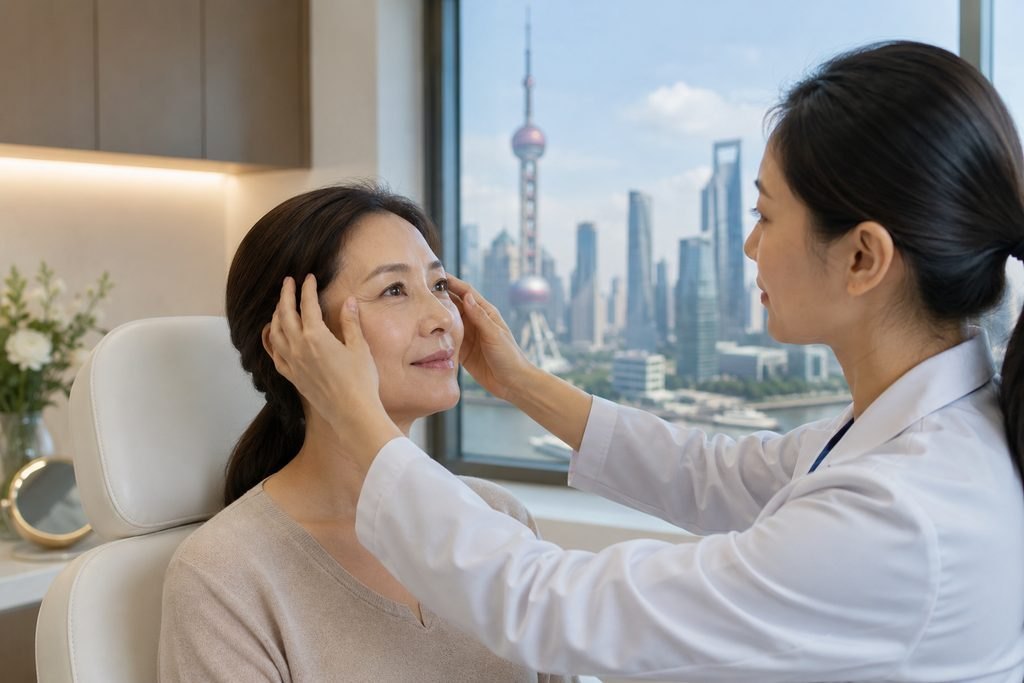
What the surgical team needs to know about your health
A facelift is not assessed in isolation from your general health. The treating surgeon and anaesthesia team need to understand conditions that can affect wound healing, bleeding risk, infection risk, anaesthesia safety or how you recover. These may include diabetes, high blood pressure, heart or lung conditions, bleeding or clotting disorders, immune conditions, thyroid disease, and any history of poor wound healing or unusual scarring.
The team also needs to know about medicines and supplements you take, including blood thinners, anti-inflammatories, herbal products and any treatment that affects immune response. Do not stop or change any medicine on your own before speaking with the clinician who prescribed it and the surgical team. Some medicines need planned management before surgery, but that decision belongs to the treating clinicians.
Previous facial procedures matter too. Fillers, botulinum toxin, thread lifts, implants, previous facelift or eyelid surgery, skin treatments and any complications such as infection, asymmetry or prolonged swelling should be described. These details help the surgeon understand your anatomy and what may be technically different in your case.
If you have a condition that is currently unstable or symptoms that are worsening, local medical assessment takes priority over planning overseas surgery. A remote enquiry or records review does not replace examination and does not confirm that you are fit for anaesthesia or surgery.
How to organise your records into a usable summary
A complete archive is not needed for an initial enquiry. Start with a short, structured summary that a clinician can read quickly. Include your main conditions, when they were diagnosed, current treatment, recent test results, allergies, and the contact details of the clinicians who manage them. Add a list of medicines with doses and the reason each is taken.
For facial procedures, include dates and details of previous surgery, injectables, fillers, skin treatments and any complications. If you have photographs from before and after previous procedures, these can help the surgeon understand changes over time. Do not send passport numbers, payment details or a full medical archive through an initial enquiry form.
After first contact, the team can explain how to share larger files securely. Ask whether they prefer a translated summary, original reports, imaging files or a specific form. If your records are in another language, ask whether an interpreter or translated summary is needed and who arranges it.
A useful summary is not a substitute for the original records. The treating team may ask for specific reports, imaging or a letter from your treating clinician. Ask what they need rather than sending everything at once.
- Current conditions and date of diagnosis
- Medicines, doses and who prescribes them
- Allergies and previous reactions to anaesthesia or medicines
- Previous facial procedures, injectables, fillers and complications
- Recent relevant test results and treating clinician contacts
Questions that decide whether assessment can move forward
The surgical team decides whether a facelift is suitable for you. Your job is to give them enough information to make that decision and to understand what they still need. Ask directly which areas of the face and neck the planned procedure addresses, what technique is proposed, and whether any additional procedure is included or separate.
Ask how the team assesses your goals and expectations. A facelift addresses loose facial skin, but its extent and expected result require an individual discussion. The team should explain what a facelift can and cannot change, what alternatives exist, and what the limitations are in your case.
Ask which reviews are needed before you travel and whether any can be done remotely. If you have a significant medical condition, the team may want input from a cardiologist, endocrinologist, haematologist or anaesthetist. Ask whether those reviews happen in China, in your home country, or both, and who is responsible for arranging them.
Ask what must be confirmed before you plan return travel. This includes wound care, suture removal, follow-up appointments, and when it is safe to fly. Do not assume a fixed recovery period. The treating team gives instructions based on your procedure and healing.
Ask what the written plan and estimate include. Hospital fees, clinician fees, anaesthesia, tests, medicines, rooms and follow-up may be separate items. Ask the named provider how its written quote is structured rather than assuming a standard package.
Why a missing answer changes the decision
If the team does not know about a bleeding disorder, a medicine that affects clotting, or poorly controlled diabetes, it cannot assess your risks properly. If it does not know about previous facial surgery or fillers, it may plan a technique that does not match your anatomy. If it does not know your goals, it may propose a procedure that does not address your main concern.
A missing answer also affects practical planning. If you do not know whether a cardiac review is needed before surgery, you cannot judge how long the process may take. If you do not know when follow-up happens, you cannot plan return travel safely. If you do not know what the quote includes, you cannot compare one provider with another on a like-for-like basis.
This is why a short, accurate summary is more useful than a large unorganised file. It lets the clinical team identify the specific questions that matter for your case and tell you what to do next.
What to confirm before committing to travel
Before booking travel, confirm that the hospital has accepted your case and that the surgical team has reviewed the records it needs. Ask whether your appointment is confirmed or provisional, and what could change it. Ask which clinician will assess you and whether an interpreter is available for consultations.
Confirm the practical arrangements: admission date, expected length of stay, who provides follow-up, how complications are handled, and what to do if you need urgent care after returning home. Ask for written instructions about medicines, wound care and activity restrictions. If you take medicines that affect bleeding or healing, ask who will manage them before and after surgery.
Ask what happens if the team decides during assessment that surgery is not suitable or needs to be delayed. Understand whether any payments are refundable and what the provider's terms say. Do not rely on verbal assurances; ask for the written plan and quote.
If you have a complex medical history, a multidisciplinary review involving relevant specialties may be appropriate. Ask whether this is needed, what it includes, and how the fee is agreed. A review does not guarantee acceptance or a particular outcome.
A practical next step
Start with a brief summary of your conditions, medicines, allergies, previous facial procedures and main question. You can send this through the enquiry form, email or WhatsApp. An initial enquiry is free and does not require buying a proxy consultation. The team checks the available information, identifies what is missing and suggests the relevant next step.
If you decide to proceed, the hospital and licensed clinicians decide suitability, what further review is needed and whether surgery can go ahead. Keep your local treating clinicians informed and do not delay necessary local care for an overseas enquiry.
Sources & scope of this guide
References and official service information relevant to this guide.
This is general planning information and has not been individually reviewed by a doctor. Medical decisions and personal treatment advice come from your treating clinicians.