Which record is actually missing, and why it matters
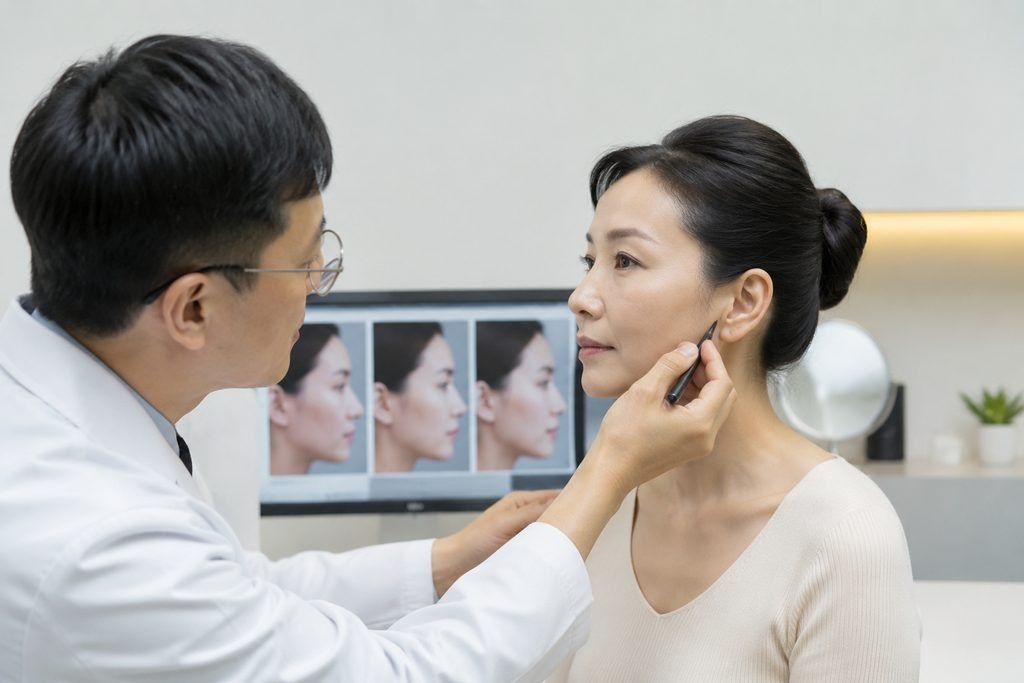
A facelift is not one standard operation. The surgeon may treat the upper face, midface, jawline, neck, or a combination, and may add fat transfer, implants, or other procedures in the same session. NHS guidance notes that facelift surgery addresses loose facial skin, and that its extent and expected result require an individual discussion. That is exactly why a vague history such as 'I had a facelift in 2019' is not enough for a new surgical team to plan safely.
The records that matter most fall into four groups. First, the operative note: what was lifted, what was cut, what was sutured, and whether any deeper tissue was repositioned. Second, product or device details: any implants, threads, fillers, or grafts placed, with brand and batch information if available. Third, the anaesthetic and recovery record: what happened during and immediately after surgery, including any complications. Fourth, the current clinical picture: photographs, your own description of symptoms, and any recent assessment.
If the operative note is missing, the new surgeon cannot know whether previous dissection changed the plane of tissue, whether nerves were near the previous field, or whether scar tissue will alter the approach. If product details are missing, the team cannot confirm what material is already in your face. If the recovery record is missing, they cannot see whether you had delayed healing, infection, or asymmetry that might recur. Each gap changes a different part of the planning conversation.
The practical question is not 'do I have every document?' but 'which specific document is absent, and does its absence change what this surgeon can confirm before I travel?' A missing photograph is usually less consequential than a missing operative note. A missing note about previous neck surgery is more consequential than a missing receipt. Sort your records by clinical relevance, not by how official they look.
Who to ask, and how to ask without starting over
The original provider is the first place to ask. Contact the hospital or clinic where the previous facelift was performed and request a copy of the operative report, the anaesthesia record, and the discharge summary. If the clinic has closed, ask the surgeon's office, the national or regional medical records department, or your primary care physician, who may have received a copy. In many health systems, you are entitled to your own records, but the process and format vary.
When you write, be specific. Instead of 'please send my file', ask for: 'the operative note for the facelift performed on [date], including the approach, tissues treated, and any products or implants used'. Ask for the records in a readable format, such as PDF, and ask whether a translated summary is available. If the original records are in a language other than English, a certified translation may help the China team, but confirm what they actually need before paying for translation.
If the original provider cannot supply the note, ask them to confirm in writing what they can: the date, the procedure name, the surgeon's name, and any known products. A short letter from the original surgeon is not the same as a full operative note, but it can fill part of the gap. If they refuse or cannot confirm, that refusal itself is information the China team should know.
Do not send your entire medical archive in the first message. A brief summary of the missing item and your main question is enough to start. The China team can then tell you whether they need the full record before an appointment or whether a provisional review is possible. This keeps the process practical and avoids unnecessary delays.
How a missing record changes the China assessment
A records-based review is not the same as a face-to-face surgical consultation. The China team can read what you send, ask questions, and form a provisional view, but they cannot examine your face, feel the tissue, or test nerve function remotely. Missing records narrow what they can say with confidence. They may still be able to discuss general options, but they should be clear about what remains uncertain.
If the operative note is missing, the surgeon may need to plan for the possibility that previous dissection altered the anatomy. That does not mean surgery is impossible. It means the plan may need to be more conservative, or may require additional imaging or examination in person before a final approach is chosen. The surgeon should tell you what they can and cannot confirm from the records you have.
If product details are missing, the team may need to know whether permanent implants, threads, or fillers are present. Some materials can affect how tissue behaves during surgery, and some may need to be removed or worked around. Without that information, the surgeon may ask you to describe what you remember, or may request a scan or examination. The key point is that the team, not the patient, decides what is clinically necessary.
If the recovery record is missing, the team cannot see whether you had a complication that might influence the next operation. A history of poor scarring, prolonged swelling, or infection may change the timing or technique. You should tell the team what you remember, even if you do not have the document. Your account is not a substitute for records, but it is part of the clinical picture.
Missing records do not automatically mean you must delay care. They mean the team needs to clarify the limits of what they can assess. Ask directly: 'Given what I have sent, what can you confirm, and what would you need to see before you could give a firmer plan?' That question moves the conversation forward.
What to confirm about the intended areas and procedures
Facelift surgery can mean different things to different surgeons. Before you travel, ask the China team to write down which areas they intend to treat and which procedures are included in their plan. For example, are they addressing the midface, the jawline, the neck, or all three? Is fat transfer, liposuction, or a brow lift part of the plan, or would that be a separate discussion?
Ask how the team assesses your goals. A facelift is not an age-reversal procedure, and no surgeon can guarantee a specific result or symmetry. The NHS source notes that the extent and expected result require an individual discussion. That discussion should cover what you want to change, what the surgeon thinks is realistic, and what the limitations are. If the team cannot explain this clearly in writing, that is a reason to ask more questions before committing.
Ask what reviews are needed before return travel. This is not a fixed timeline; it depends on the procedure, your healing, and the surgeon's judgement. The team should tell you what follow-up they recommend, how they will communicate with you after you leave China, and who to contact if something concerns you. Do not assume a single post-operative visit is enough. Ask what the plan actually is.
Ask whether the plan is provisional or confirmed. A preliminary reply based on incomplete records is not the same as a surgical plan. The hospital decides suitability, and that decision may change after an in-person examination. You should know which parts of the plan are settled and which are still open.
Questions to ask before you commit to travel
Before booking flights or accommodation, get written answers to a few practical questions. What records does the team still need, and can they proceed without them? What is included in their written estimate, and what is left undecided? Who will be your point of contact, and how will they reach you? What happens if the surgeon decides during examination that a different approach is needed?
Ask about the consent process. You should understand the risks, the alternatives, and the limits of what surgery can achieve before you agree to anything. If you are travelling from another country, ask how consent will be handled, whether interpretation is available, and whether you will have time to consider the information before deciding. Do not sign anything you do not understand.
Ask what happens after you return home. Who will you contact if you have a concern? Will the China team communicate with your local doctor? What records will you receive to take back? These questions are not about distrust; they are about planning. A clear answer helps you decide whether the arrangement is workable for you.
If the team cannot answer these questions clearly, that is useful information. It may mean the plan is still early, or it may mean the communication process is not yet set up. Either way, you can ask again or seek clarification before making a commitment.
A practical next step
Start by listing what you have and what is missing. Then contact the original provider for the specific documents you lack. Send a brief summary to the China team, including the missing item and your main question. Ask them what they can confirm and what they still need. An initial enquiry is free and does not require buying a proxy consultation. The hospital decides suitability, and no outcome is guaranteed.
If you want help organising records, interpretation, or a specialist appointment request, ChinaSpecialistCare can assist with coordination. The team does not prescribe, decide suitability, or promise availability. You can begin with a short summary by the enquiry form, email, or WhatsApp, and share records after first contact. Keep the first message brief and focused on the missing record and your question.
Sources & scope of this guide
References and official service information relevant to this guide.
This is general planning information and has not been individually reviewed by a doctor. Medical decisions and personal treatment advice come from your treating clinicians.