
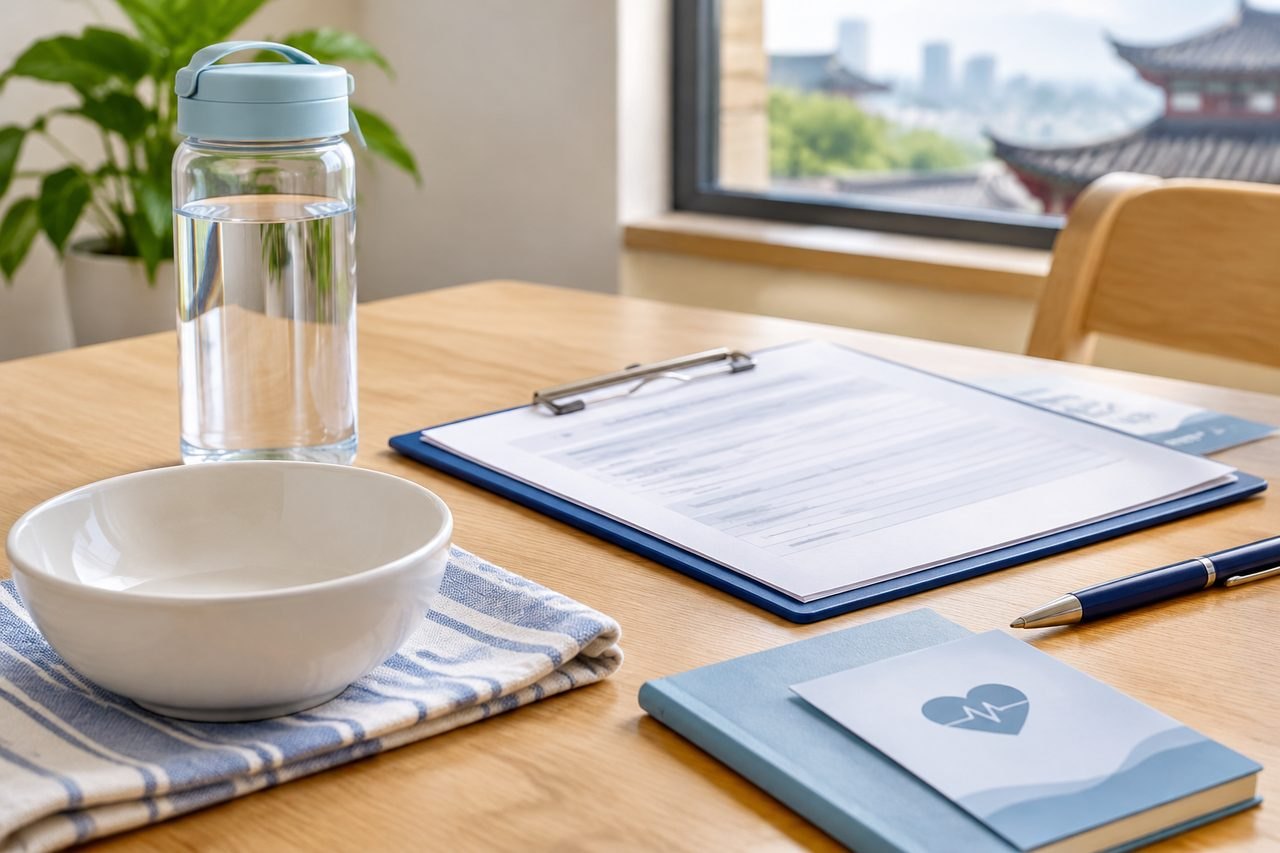
Why fasting instructions differ from one checkup to another
A health checkup package is not one test. It is a group of tests, and different tests have different preparation requirements. Some blood tests are affected by what you have recently eaten or drunk; others are not. That is why a general rule such as 'always fast for eight hours' or 'never fast' is not reliable for planning a checkup in China.
The practical answer is to treat fasting as a test-specific instruction, not a package-wide assumption. The hospital or clinician who selected the tests is the right source for the preparation that applies to you. If you are arranging a routine preventive checkup, the preparation should come with the confirmed package details, not from a generic article or a friend's experience at another hospital.
This matters for international patients because you may be choosing a package before you have met the clinical team in person. You can still plan well: ask for the written preparation instructions that match the exact tests in your package, and keep them with your travel documents.
- Identify the specific blood tests in your package, not just the package name.
- Ask for preparation instructions in writing before you travel.
- Do not assume another hospital's rules apply to your chosen provider.
What to confirm with the hospital before your appointment
Once your checkup date and package are confirmed, ask the hospital or coordinating team for the preparation instructions that apply to your exact tests. The useful questions are practical: Does this package require fasting? If so, for which tests? Can I drink water? Which of my regular medicines should I take, delay or discuss with the clinician? What should I do if I ate or drank something I was told to avoid?
MedlinePlus notes that whether fasting is needed depends on the blood test and the provider's instructions, and that patients should ask the provider about medicines and about what to do if preparation was not followed. That is the right frame for a checkup in China as well: the instruction belongs to the provider and the specific test, not to a universal rule.
If you take regular medicines, do not change them on your own before a checkup. Ask the clinician who knows your history, or the hospital team arranging the tests, how your medicines interact with the preparation. For some tests, taking a usual medicine with a small amount of water may be acceptable; for others, timing may need to change. That decision is clinical and individual.
If you realise you did not follow the preparation correctly, tell the hospital before the sample is taken. Do not assume the test is ruined or that you must cancel the whole checkup. The provider can advise whether to proceed, adjust, or repeat a specific test.
- Confirm fasting requirements for each blood test in the package.
- Ask whether water is allowed and whether usual medicines should be taken.
- Report any missed preparation step to the hospital before testing.
How this fits into planning care in China
For an international patient, the fasting question is part of a wider preparation task: making sure the checkup you book matches what you actually need, and that you understand the instructions before you arrive. Routine preventive checkups are for people planning a scheduled health review. If you currently have pain, discomfort or other symptoms, a specialist consultation is more appropriate than buying a screening package, because the assessment needs to address the symptom rather than run a fixed list of tests.
When you enquire about a checkup, a brief summary is enough to start. You do not need to send a complete medical archive or payment details at the first contact. The team can check what you are looking for, identify missing information, and suggest the relevant next step. This initial review is non-clinical coordination, not a diagnosis or a clinical opinion.
If your situation is more complex, a records-based specialist opinion may be relevant, but that is a separate step with its own scope. It is not required for a routine checkup, and it does not replace the hospital's own preparation instructions for the tests you book.
Package contents, hospital availability and final arrangements vary by city and provider, so confirm the details for your chosen hospital rather than assuming a national standard. The checkup page explains base packages and add-ons; the preparation instructions for your exact tests come from the provider.
- Use a checkup for scheduled preventive review, not for current symptoms.
- Start with a brief enquiry; share records only when asked and appropriate.
- Confirm package details and preparation for your specific hospital.
Questions to bring to your appointment
A short written list makes the appointment smoother, especially if English communication is part of your plan. Ask the hospital to confirm the answers in writing where possible, so you can refer to them on the day.
Keep the list focused on your own tests and medicines. If a question is clinical, such as whether a particular medicine should be paused, the answer should come from a clinician who can consider your history, not from a general article or a non-clinical coordinator.
- Which tests in my package require fasting?
- May I drink water before the appointment?
- Which of my medicines should I take, delay or discuss?
- What should I do if I did not follow the preparation correctly?
- Who should I contact if I am unsure on the morning of the checkup?
Sources & scope of this guide
References and official service information relevant to this guide.
This is general planning information and has not been individually reviewed by a doctor. Medical decisions and personal treatment advice come from your treating clinicians.