What old eye tests can and cannot tell a surgical team
When you contact a hospital in China about glaucoma surgery, the first documents requested are often the ones you already have: visual field printouts, optic nerve imaging, intraocular pressure readings and clinic letters. These records are valuable because they show a trend. A single pressure reading taken today cannot show whether your glaucoma has been stable, slowly worsening or fluctuating. A series of readings over months or years gives the surgical team a much clearer picture of how your condition has behaved.
What old tests cannot do is confirm your current suitability for surgery. Glaucoma can change between visits. Pressure may rise or fall, the optic nerve may show new changes, and your current eye drops or other treatments may be working differently than they did when the old records were made. A surgical assessment therefore combines your historical records with a fresh examination. The old tests answer 'what happened before'; the new assessment answers 'what is happening now and what should be done next'.
It also helps to know what your old records do not contain. If you have had laser treatment, surgery or a change in eye drops, the dates and outcomes matter. If you have not had certain tests, that gap is useful information too. The surgical team can then decide whether additional testing is needed before discussing options.
The specific questions a new assessment is designed to answer
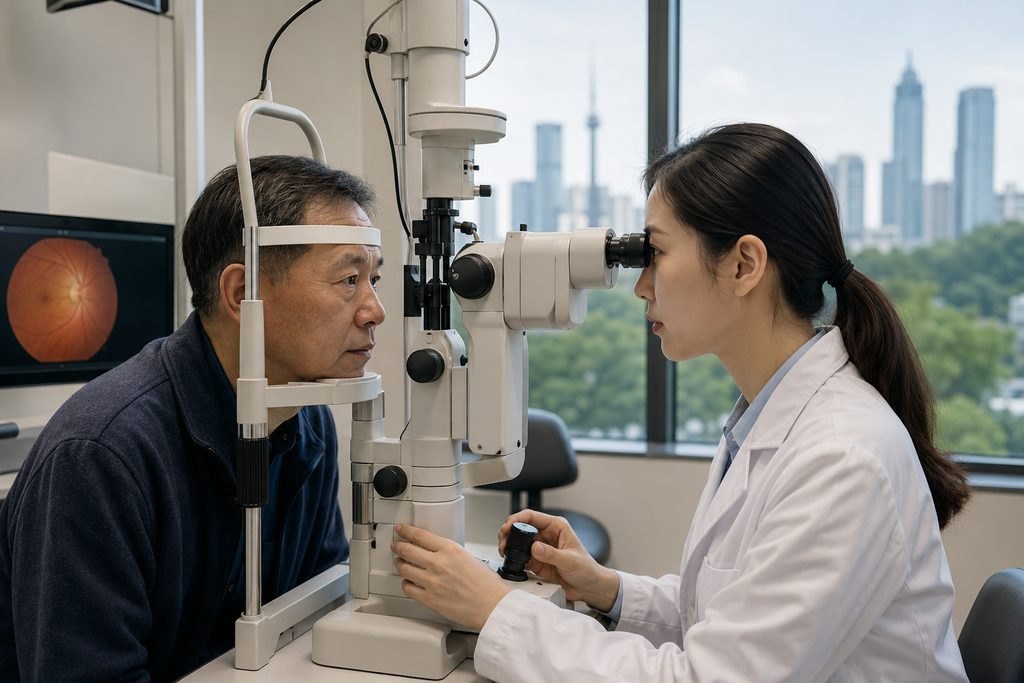
A new glaucoma assessment is not a repeat of everything you have already done. It is a focused evaluation with a surgical decision in mind. The treating ophthalmologist will typically want to confirm the type and stage of your glaucoma, check whether your current treatment is controlling the pressure adequately, and assess whether the optic nerve or visual field has changed since your last records.
The assessment also looks at factors that affect surgical planning. These include the health of the surface of your eye, any previous eye surgery or laser treatment, other eye conditions, and your general health. The clinician will consider whether you are a candidate for a particular procedure, what alternatives exist, and what the realistic goals of surgery would be. Glaucoma treatment can involve drops, laser treatment or surgery, and follow-up checks monitor the condition and response. The new assessment is where the team decides which of these applies to you now.
You should expect the assessment to include a conversation about what surgery can and cannot achieve. Glaucoma surgery aims to protect the optic nerve by lowering eye pressure; it does not restore vision that has already been lost. The team should explain the intended benefit, the risks, and the commitment to ongoing follow-up. If any of this is unclear, ask directly.
Pressure records: what to collect and why the pattern matters
Intraocular pressure is central to glaucoma management, but a single number is rarely enough. The surgical team will want to see how your pressure has changed over time, including readings taken at different times of day if available. This pattern helps them understand whether your current treatment is stable, whether pressure spikes are occurring, and how urgently surgery might be considered.
Collect every pressure reading you can find, along with the date, the time if recorded, and the treatment you were using at that point. If you have had a procedure such as laser trabeculoplasty or previous glaucoma surgery, include the pressure readings before and after. If you use eye drops, note the names and how often you use them. Do not stop or change any medication while gathering records; that decision belongs to your prescribing clinician.
If your records are incomplete, say so clearly rather than guessing. The surgical team can work with what is available and decide whether more information is needed. Missing data is a reason to ask what else would help, not a reason to delay urgent local care if your vision is changing suddenly or your eye is painful.
Previous treatment and surgical options: what the team needs to know
Your treatment history shapes which surgical options are reasonable. If you have already had laser treatment, the team needs to know when and with what result. If you have had glaucoma surgery before, the type of procedure, the date and the outcome all matter. Previous eye surgery of any kind, including cataract surgery, can affect the choice of procedure and the expected healing response.
The surgical team will also want to know about your current treatment. Which eye drops are you using, and for how long? Have any been changed because they were not working or caused side effects? Are you using them consistently? These details help the clinician judge whether surgery is being considered because drops are insufficient, because they are difficult to tolerate, or for another reason.
Bring a written list rather than relying on memory. Include the name of each medication, the dose, how many times a day you use it, and any side effects you have noticed. If you have had allergic reactions or intolerances to eye medications, note those too. This is not a test; it is practical information that helps the team plan safely.
How follow-up and pressure monitoring would work from home
Glaucoma surgery is not a one-time event. Follow-up checks monitor the condition and response, and this continues after you return home. Before committing to surgery in China, you need a clear understanding of what follow-up would involve, both during your stay and after you leave.
Ask the treating team how they would structure your post-operative checks while you are still in China. Ask what they would expect your local eye care provider to monitor once you return home, and what information should be sent back to them. Ask whether they can provide a written summary of the surgery and a follow-up plan that you can share with your own ophthalmologist. These are practical questions, and the answers will vary depending on your procedure and your recovery.
You should also ask how urgent problems would be handled after you leave. If your pressure becomes too high or too low, or if you develop pain, redness or sudden vision changes, you need to know who to contact and how quickly. This is not a reason to avoid surgery, but it is a reason to have a plan. Your local eye care provider remains an essential part of your long-term care.
Preparing records and questions for a China-based surgical assessment
Once you have decided to enquire about glaucoma surgery in China, the practical work is mostly about records and communication. Start with a short summary of your situation: your diagnosis, how long you have had it, your current treatment and your main question. You do not need to send a complete medical archive at first contact. A brief summary helps the team understand whether your case is relevant to their services and what records they would need next.
When you are ready to share records, organise them clearly. Visual field tests, optic nerve imaging, pressure logs and clinic letters are the core items. If you have records in a language other than English or Chinese, ask whether a translation is needed. Do not send original documents; send copies or scans. Keep a personal copy of everything you send.
Prepare a short list of questions for the surgical team. Ask what the new assessment would include, what additional tests might be needed, and how the results would be explained to you. Ask about the range of surgical options they would consider for your type of glaucoma, and what the follow-up plan would look like. Ask what the written estimate or treatment plan would include and exclude, so you can compare scope rather than assume. If you are considering travel, ask how the assessment and any surgery would be scheduled, but treat timing as something to confirm with the hospital rather than a fixed promise.
A free initial enquiry is a reasonable first step. It is not a diagnosis, and it does not commit you to treatment. The hospital decides whether you are suitable for surgery after reviewing your records and examining you. If you have sudden eye pain, a rapid change in vision or other acute symptoms, seek local care first; do not delay urgent assessment for an overseas enquiry.
Sources & scope of this guide
References and official service information relevant to this guide.
This is general planning information and has not been individually reviewed by a doctor. Medical decisions and personal treatment advice come from your treating clinicians.