
What translation actually has to achieve
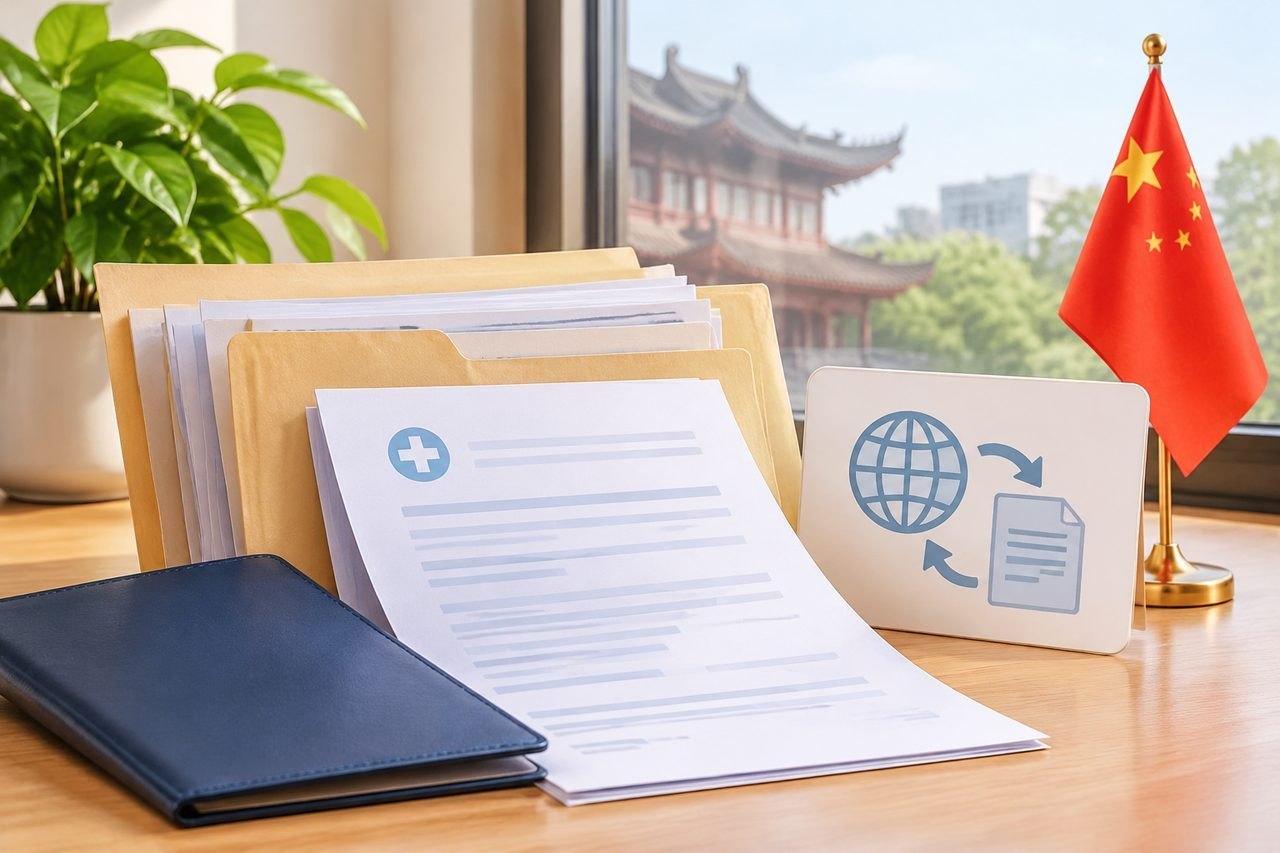
Translation for medical care is not the same as translating a contract or a menu. The receiving clinician needs to understand what was measured, when, by whom, with what method, and what the result meant at the time. A report that reads smoothly but loses the units, the reference ranges or the exact wording of a pathology conclusion can mislead rather than help.
That is why the most useful translation preserves structure as well as meaning. Dates, patient identifiers, specimen types, imaging sequences, laboratory units and the distinction between a finding and an interpretation all matter. If a report contains an ambiguous phrase, a good translation flags it rather than resolving it by guesswork. The treating team, not the translator, decides what a finding means for care.
It also helps to keep the original alongside the translation. A clinician who reads some English or who wants to check a specific line can then compare the two. Ask the hospital whether it wants originals, copies, or both, and whether scans of the original pages should be included with the translated text.
Who does the translation, and who decides
Patients often assume the hospital will translate everything on arrival. That may happen in some settings, particularly where an international department routinely handles overseas patients, but it is not a rule you can rely on across China. Equally, a hospital may accept a translation prepared abroad, or it may ask for translation by a provider it recognises. The only reliable answer comes from the hospital handling the case.
This is a question about the hospital's own administrative requirements, not a clinical judgement. When you contact a hospital or a coordination service, ask directly: does the hospital accept records translated outside China, does it require a certified or notarised translation, and does it need the translation in a particular format? Ask, too, whether the hospital will translate internally and whether that affects when your case can be reviewed.
Be cautious with any blanket claim that Chinese hospitals always, or never, translate foreign records. Practice varies by hospital, department and the type of document. A short written reply from the hospital is more useful than a general statement from anyone else.
Which records are worth translating first
Translating an entire archive before anyone has looked at it wastes effort and money. A more practical sequence is to translate the documents that answer the clinician's first question, then add material if the case moves forward. For most specialist enquiries that means the referral letter or summary, the key imaging reports, the main laboratory results, the pathology report if there is one, and the current medication list.
Discharge summaries are often the single most useful document because they pull together the diagnosis, the treatment given and the plan. Operative notes matter when surgery is being considered. For long-running conditions, a short chronological summary written by the treating doctor abroad can save the Chinese team considerable time, provided it is clearly labelled as a summary rather than a primary record.
Ask the receiving team which items it wants translated and which it can read in the original language. Some clinicians read English reports comfortably; others will want a Chinese translation. Do not assume that sending everything is safer. A focused, well-labelled set is easier to review than an unindexed pile.
- Referral letter or specialist summary
- Imaging reports, with the examination type and date
- Key laboratory results, with units and reference ranges
- Pathology report, where relevant
- Current medication list and known allergies
- Operative notes if surgery is being discussed
Accuracy, certification and the limits of a translation
Certification is an administrative concept. It tells you that a translator or agency has attested to the translation; it does not tell you that the clinical content is correct. A certified translation of a poorly written original is still a faithful rendering of a poor original. What matters clinically is that the numbers, units and conclusions match the source document.
If a hospital requires a certified translation, ask what form of certification it accepts and whether the translator's details must appear on the document. If it does not require certification, a careful translation by someone with medical language experience may be enough. In either case, keep a copy of what was sent and note who prepared it, so that any discrepancy can be traced.
Translation cannot resolve missing information. If a report lacks the reference range, the imaging technique or the date of the test, the translation will lack it too. The right response is to request the missing detail from the original provider, not to let a translator fill the gap. Where a term has more than one reasonable rendering, the translation should say so rather than choose silently.
Practical preparation before you send anything
Start with a short summary in English of the patient's situation and the specific question for the Chinese team. Then list the documents you hold, with dates and the type of each. This lets the hospital tell you what it actually needs before you pay for translation of material it will not use.
Label files clearly and keep the original language version next to the translation. If a document runs to many pages, a short index helps the reader find the relevant section. For imaging, the written report is usually what gets translated; the images themselves travel as files, and the hospital will say what format it can accept.
Ask about consent and privacy as well. Records may contain information about relatives or third parties, and some patients prefer to redact what is not relevant. Agree with the hospital what will be shared and how it will be stored. A coordination service can help move documents and arrange interpretation, but it does not decide what the hospital requires or what the records mean.
Where coordination helps, and what it cannot do
A coordination service can help with the practical side: clarifying what the hospital wants, arranging translation, keeping versions consistent and providing interpretation during appointments. ChinaSpecialistCare's hospital companion and interpretation service is a separately agreed, non-clinical support service, and our free initial case review checks the available diagnosis, records and main question and identifies what is missing. Neither replaces the hospital's own assessment.
What coordination cannot do is guarantee that a translation will be accepted, that a hospital will review a case, or that a particular treatment will be offered. Those decisions belong to the treating hospital and its clinicians. If a translation is rejected or a document is requested in a different form, that is information to act on, not a judgement about the patient's suitability for care.
The practical next step is to send a brief summary of the case and a list of the records you hold, and ask the specific hospital which documents it needs translated and in what form. An initial enquiry is free and does not commit you to a proxy consultation or any treatment. The hospital, not the coordinator, decides whether and how the case proceeds.
Sources & scope of this guide
References and official service information relevant to this guide.
This is general planning information and has not been individually reviewed by a doctor. Medical decisions and personal treatment advice come from your treating clinicians.