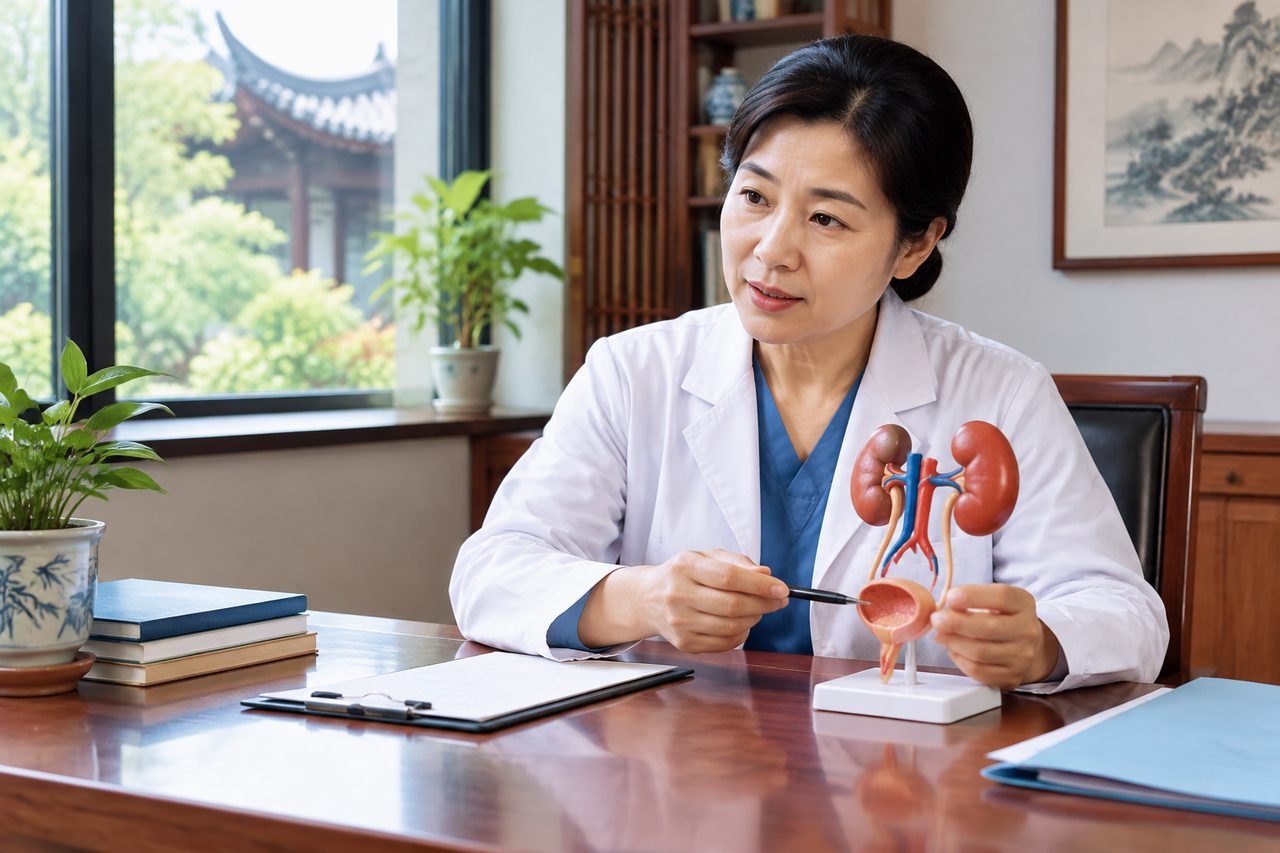
Why the reconstruction decision shapes aftercare
Bladder removal is not one operation with one recovery path. The surgeon also has to decide how urine will leave the body afterwards, and that arrangement changes what aftercare actually involves. A stoma, a continent pouch or a neobladder each create different daily routines, different equipment needs and different questions for the clinical team. The Cambridge University Hospitals bladder cancer information confirms that bladder cancer can be treated in different ways and that removal, together with the arrangement for passing urine, requires an individual surgical discussion.
That is why aftercare cannot be planned separately from the operation. If you ask only about wound care and discharge timing, you may miss the part of recovery that affects you every day. The reconstruction choice also influences what you need to learn before leaving hospital, what supplies you may need to carry, and what follow-up skills your local clinicians should have. Ask the surgical team to explain the proposed reconstruction and the aftercare that goes with that specific plan, not bladder removal in general.
If you are comparing options, ask whether more than one reconstruction is medically suitable for your case and what the aftercare differences would be. The hospital decides suitability; a coordinator cannot. Write down the reconstruction name, because it is the anchor for every aftercare question that follows.
What to clarify before you travel
Overseas aftercare planning starts before departure. The most useful step is to ask the treating hospital, in writing, what the aftercare plan includes and what it does not. Ask how the proposed urinary reconstruction affects the length of the hospital stay, what self-care skills you are expected to learn before discharge, and what written instructions you will receive. These are questions for the named provider, because the answers depend on the operation and on that hospital's own practice.
Ask specifically how the hospital handles follow-up for international patients. Who do you contact after discharge if a concern arises? Is there a route for questions after you return home, and how does the hospital prefer to receive updates from your local clinicians? Ask what records the hospital will give you at discharge, in what language, and whether imaging, pathology and operative notes will be included. Do not assume these documents are automatic; ask what is provided and request what you need.
It also helps to ask how the hospital will communicate with your doctors at home. A short written summary that your local team can read is more useful than a verbal handover. Ask whether the hospital can provide a discharge summary in English and whether it will include the reconstruction type, any devices or supplies, warning signs to watch for, and contact instructions. If the hospital cannot confirm something in advance, treat it as an open question rather than a promise.
Finally, ask what the hospital expects you to arrange yourself. Travel, accommodation, interpretation and local support are practical matters that sit outside clinical care. The hospital's clinical team decides suitability and treatment; practical coordination is separate. Knowing which parts are clinical and which are logistical prevents confusion later.
Learning the daily routine before discharge
After bladder removal, much of the aftercare is about managing the urinary reconstruction day to day. Depending on the plan, this may involve caring for a stoma, using a catheter or pouch, or learning new toileting habits. The clinical team should teach these skills before discharge, and you should have the chance to practise with supervision. Ask who provides that training, how many sessions are expected, and what happens if you do not feel confident yet.
Ask what supplies you will need and how to obtain them. If you are returning home soon after discharge, ask whether you can get enough supplies to cover the journey and the first period at home, and how to arrange more. Supply names and availability differ between countries, so ask the hospital to write down the exact product names and sizes used. This is a practical question for the hospital and your supplying pharmacy, not something a coordinator can decide.
Ask what warning signs should prompt you to seek urgent care. The treating team should explain which symptoms are expected during recovery and which need immediate attention. Do not rely on general internet descriptions; ask for instructions specific to your operation and reconstruction. If you are given a contact number, confirm when it should be used and what to do outside those hours.
Ask how follow-up appointments will work if you return home. Some checks may be done locally, with results sent back to China; others may require a return visit. Ask the hospital what it recommends for your situation and what it needs from your local clinicians. The timing and format of follow-up are clinical decisions, so ask the treating team rather than assuming a schedule.
Preparing your local clinicians to continue care
Your aftercare does not end when you leave China. The clinicians who see you at home need enough information to continue safely. Before you travel, ask the hospital what it will send to your local team and whether you should bring anything yourself. A discharge summary, operative note, pathology report and imaging are commonly useful, but what is actually provided depends on the hospital. Ask for copies in a language your local team can read.
Ask your local clinicians what they need in order to take over follow-up. They may want specific records, a contact name at the Chinese hospital, or clarification about the reconstruction. Getting this list before you travel lets you request documents while you are still on site. It also avoids a situation where you return home with incomplete information.
Ask how communication between the two teams will work. Is there a named contact at the Chinese hospital for your local doctor to reach? Would a short written summary be enough, or does your local team want a direct discussion? These arrangements are practical, and the hospital decides what it can provide. Confirm the details rather than assuming they are standard.
If your local team has questions about the reconstruction, ask the Chinese hospital to address them in writing before discharge. This is especially useful if the reconstruction is uncommon in your home country. The goal is not to transfer responsibility but to give your local clinicians a clear starting point.
Questions that keep aftercare realistic
Some aftercare questions have no fixed answer in advance because they depend on how your recovery goes. It is still worth asking them so you understand what is planned and what remains uncertain. Ask how the hospital will decide when you are ready for discharge, what support you need during the first weeks, and what would change the plan. The treating team can explain its general approach, but it cannot guarantee an individual timeline.
Ask about the practical side of recovery in China. If you are staying locally after discharge, what follow-up visits are expected and where? If you plan to return home, what does the hospital advise about timing and fitness to travel? These are clinical judgements, so ask the treating team. Do not rely on a general rule; the answer depends on your operation and your recovery.
Ask what happens if a complication occurs after you return home. Who should you contact first, and what information should you send? The hospital may offer a route for questions, but it cannot provide emergency care from another country. Your local clinicians handle urgent problems. Clarifying this in advance prevents confusion about who is responsible for what.
Finally, ask what you should not do. Restrictions on lifting, driving, bathing or returning to work depend on the operation and the reconstruction. The treating team should give you specific guidance before discharge. Write it down and ask your local clinicians to review it if anything is unclear.
A practical next step
The most useful thing you can do now is to write down your aftercare questions and ask the treating hospital to answer them in writing. Focus on the reconstruction, discharge teaching, supplies, warning signs and follow-up arrangements. If you are still deciding whether to travel, an initial enquiry with ChinaSpecialistCare is free and can help identify what information is missing and which next step is relevant. It is not a diagnosis or a promise of acceptance, and it does not replace the hospital's own assessment.
You can also review the bladder removal surgery reference page for background on the procedure and how it is planned. Use that page to prepare questions, not as a substitute for the surgical team's advice. The hospital decides whether surgery is suitable and what aftercare it will provide.
Sources & scope of this guide
References and official service information relevant to this guide.
This is general planning information and has not been individually reviewed by a doctor. Medical decisions and personal treatment advice come from your treating clinicians.