
Which problems cannot wait
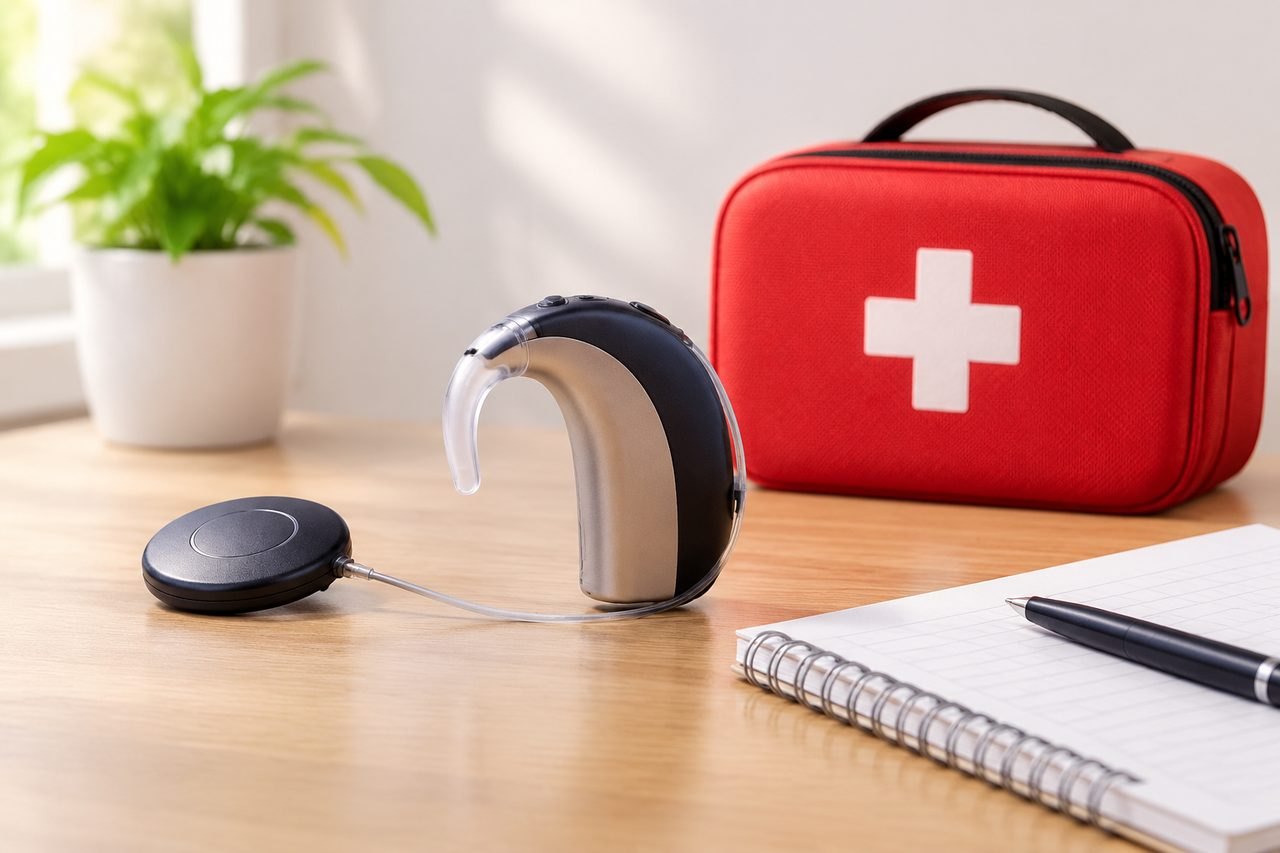
A cochlear implant is a surgically placed device with a part inside the cochlea and a receiver under the skin, plus an external sound processor. Complications can arise from the surgery, the wound, the device itself or from stimulation settings. The practical question is not whether a symptom is 'normal' in general, but whether it needs same-day assessment, a prompt implant-team review, or can wait for a scheduled check.
Seek urgent medical assessment for facial weakness or asymmetry, severe or worsening headache, neck stiffness, fever together with a red, hot, swollen or discharging wound, clear fluid leaking from the ear or wound, new severe ear pain, or sudden loss of sound, stimulation or device function. These are red flags that a clinician should assess quickly. Do not adjust the processor, change settings or try to troubleshoot the device yourself while waiting.
The reason to act quickly is that some problems, such as wound infection or a device fault, are easier to manage when assessed early. Others, such as facial nerve irritation, need a clinician to distinguish a temporary stimulation effect from something that needs treatment. A remote coordinator cannot make that distinction; only the treating team can.
Problems that need prompt implant-team review
Not every concern is an emergency, but several deserve a call to your implant centre rather than waiting for the next routine appointment. These include persistent pain around the implant site, a wound that is not healing as expected, swelling over the receiver, a change in how sound is perceived, intermittent or complete loss of stimulation, discomfort during processor use, or a processor that will not hold a charge or connect.
Some of these may be device-related, some may relate to the wound or middle ear, and some may be programming issues that a audiologist can address. The point is that the cause is not something a patient can reliably identify alone. Describe what changed, when it started, whether it is constant or intermittent, and whether it affects one or both ears if you have bilateral implants.
If you are outside China and travelled for surgery, ask your implant team before you leave what their after-hours contact route is, which local clinicians they would want you to see, and what information they need from a local assessment. Do not assume a local emergency department can programme or replace a processor; they can assess the wound and general health, but device-specific help usually comes from the implant centre.
What to record before you call
A clear, short account helps the clinical team triage your concern. Note the date of surgery, the device brand and model if you know it, and the serial number of the processor and implant card. Record your temperature if you have a fever, and describe the wound: colour, swelling, discharge, and whether it is tender to touch. Note any change in hearing, sound quality, facial movement, balance or headache.
Bring your medication list, including any blood thinners or antibiotics, and any allergies. If you have a photograph of the wound taken in good light, that can help a remote review, but do not delay urgent care to take one. Keep the processor and any spare parts with you if you are going to a clinic, because the team may want to test them.
For a child with an implant, the same principles apply, and a parent or guardian should make the call. Note any change in the child's behaviour, feeding, sleep or response to sound, because young children may not describe symptoms clearly.
How follow-up works after cochlear implantation in China
Cochlear implantation is not a single operation followed by discharge. It involves surgical follow-up, wound review, device activation and programming by an audiologist, and rehabilitation support. The timing of activation and the number of programming visits are set by the treating team and vary with the device, the patient's anatomy and the clinical course. Ask your team for their written schedule rather than relying on a general timeline.
For international patients, the practical question is how much follow-up can be done locally and what must be done at the implanting centre. Programming usually requires equipment and software specific to the device, so a local clinic may not be able to adjust settings. Ask the implant centre which local professionals they would accept for wound review or general ear assessment, and what records they need sent back.
If you are considering cochlear implantation in China, the relevant reference is the cochlear implantation service page, which explains the procedure and planning context. For complications, the same team that implanted the device is usually best placed to assess device-specific problems, but a local clinician can and should assess urgent symptoms such as fever or wound infection without waiting for the implant centre.
Questions to ask your implant team before and after surgery
Before surgery, ask what complications the team will explain to you in the consent discussion, what warning signs they want you to act on, and who to contact outside office hours. Ask whether the team provides written aftercare instructions in English, and whether a named contact is available for device problems. These are reasonable questions; a team that cannot answer them clearly is worth questioning.
After surgery, ask what the plan is for wound review, when activation is expected, how programming visits are arranged, and what to do if the processor is lost or damaged. Ask whether the device manufacturer provides a replacement or loan process and how that is accessed. Do not assume a spare processor is included; ask what the written plan and quote cover.
If you are enquiring from abroad, a free initial case review can help identify what records are missing and what the next practical step is. This is not a diagnosis or a promise of acceptance, and it does not replace assessment by the treating hospital. You do not need to buy a proxy consultation to make an initial enquiry.
Planning care in China without overpromising
ChinaSpecialistCare provides information and non-clinical coordination for international patients considering care in China. For a cochlear implant concern, the team can help with appointment requests, interpretation and practical hospital navigation, but clinical decisions, device programming and treatment belong to the treating hospital and licensed clinicians. Hospital acceptance and the final plan are confirmed by the hospital, not by a coordinator.
If you are already in China and have an urgent symptom, seek local medical assessment first. If you are planning travel for implantation or follow-up, ask the hospital what its written aftercare and complication plan includes, and keep your device identification card with you. Costs for hospital care, device and programming are separate from any coordination fee, and the hospital's written quote is the document to check.
A brief next step: if you have a non-urgent question about cochlear implant follow-up or planning care in China, send a short summary through the enquiry form or email. For red-flag symptoms, contact a local clinician or emergency service immediately rather than waiting for an online reply.
Sources & scope of this guide
References and official service information relevant to this guide.
This is general planning information and has not been individually reviewed by a doctor. Medical decisions and personal treatment advice come from your treating clinicians.