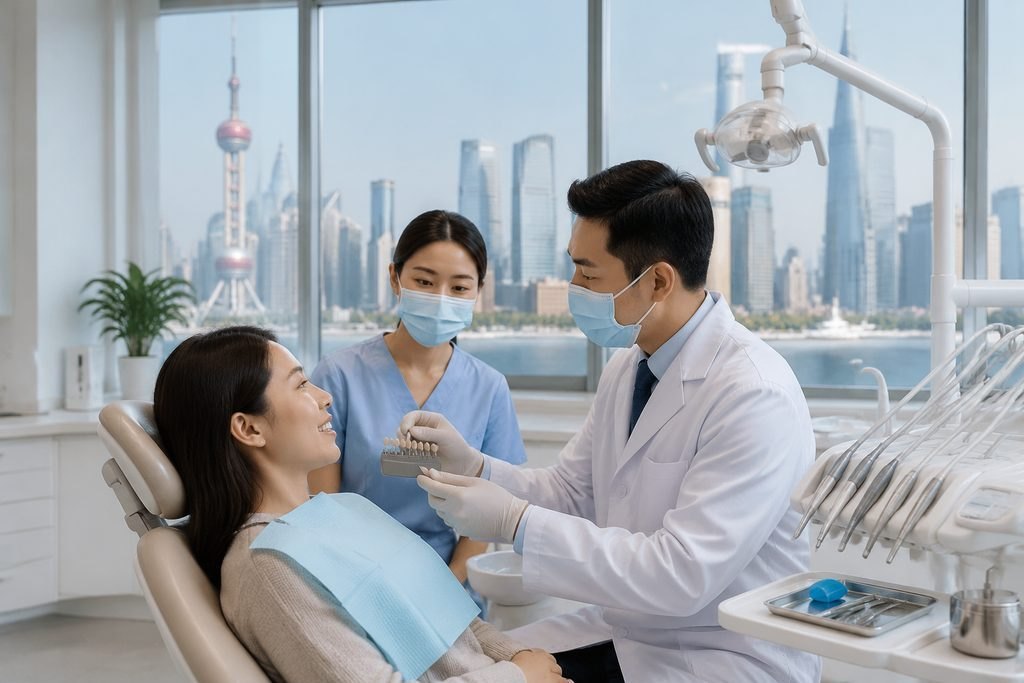
Which Record Is Actually Missing, and Why It Matters
Before you contact any clinic, write down the specific item you do not have. A missing record is not one problem; it is several different problems with different consequences. The most useful first step is to separate what you know from what you cannot currently prove.
Common gaps include the original treatment plan, the date and material of a previous crown or bridge, radiographs taken at the time, laboratory prescriptions, and notes from the dentist who prepared the tooth. Each of these answers a different question. A treatment plan tells the new clinician what was intended. A laboratory prescription or material record tells them what was placed. A radiograph shows the current state of the tooth and surrounding bone. Clinical notes describe what was observed and done.
The reason this matters is that a crown covers a tooth, and a bridge replaces missing teeth. A new dentist assessing either restoration needs to understand what is underneath or beside the existing work. If the tooth has been root-treated, the quality and completeness of that treatment affects what can be planned next. A temporary filling alone does not establish whether root-canal treatment is complete. That is a clinical judgement the treating dentist must make, and it may require a radiograph or other assessment rather than a document alone.
So the first practical action is not to gather everything. It is to identify the single most important missing item and ask whether the receiving clinician needs it before they can assess you. If they say it would help but is not essential, you have a clearer path. If they say it is essential, you know what to pursue.
Who to Ask for Each Type of Missing Record
Different records sit with different people. Asking the wrong source wastes time and may produce a document that does not answer the clinical question.
If you are missing the original treatment plan or clinical notes, the dentist or clinic that provided the previous care is the usual source. Contact them directly and ask for a copy of your records. In many countries you have a right to request your own dental records, though the format and any fee are set by that provider and local rules. Ask specifically for the items you need rather than a general request for everything.
If you are missing laboratory information, such as the material used for a crown or the design of a bridge, the dental laboratory that fabricated the restoration may hold it. Your previous dentist can often tell you which laboratory was used. A laboratory prescription or invoice may show the material and the teeth involved.
If you are missing radiographs, the clinic that took them is the source. Radiographs are usually held by the provider who ordered them. If you have copies on a disc or in a patient portal, check whether they are readable and whether they include the relevant teeth.
If you are missing records because the previous clinic has closed or you cannot contact them, say so plainly to the receiving team. Do not guess or reconstruct clinical details. The treating dentist can decide whether a new radiograph or examination is needed. That is their decision, not something you need to solve before making contact.
How Missing Records Affect the Next Step
A missing record does not automatically mean you must delay care or that you cannot be assessed. It means the receiving clinician has less information and may need to confirm more themselves. The practical question is what they can and cannot conclude without the document.
If the missing item is a recent radiograph, the dentist may simply take a new one during your visit. If the missing item is the material of an existing crown, they may be able to identify it visually or may need to ask you what you know. If the missing item is the record of previous root-canal treatment, they may need to assess the tooth directly before planning a new crown or bridge.
What a remote review can confirm is limited. A records-based opinion can help clarify whether a crown or bridge is a reasonable topic to discuss, what further information is needed, and what questions to ask. It does not establish final suitability, confirm that treatment will go ahead, or replace an in-person examination. The hospital and treating dentist decide whether to accept a case and what treatment is appropriate.
This distinction matters when you are planning travel. You may be able to start a conversation with a clinic before you have every document. But you should not treat a preliminary reply as confirmation that a specific procedure will be performed, that a particular material will be used, or that a certain number of visits will be enough. Those are clinical and scheduling decisions for the provider.
What to Ask the Receiving Dental Team
When you contact a dental provider in China about a crown or bridge, ask questions that help you understand what they need and what they can offer. Keep the first message short and specific.
Ask which records they would like to see before an assessment, and which they can obtain themselves during an examination. Ask whether a temporary restoration would be part of the plan, and how the final restoration would be fitted. Ask which teeth are included in any estimate, and whether adjustment or maintenance visits after fitting are part of the plan or separate. Ask what the written estimate includes and what remains undecided until after examination.
These questions are not a test of the provider. They help you compare what different clinics say and identify what still needs to be confirmed. If a clinic cannot answer a question before seeing you, that is useful information. It tells you which decisions depend on the examination.
You can also ask how they prefer to receive records, whether they need translated documents, and whether they can review records before you travel. The answers will vary by hospital and clinic. Ask the specific provider rather than assuming a standard process.
What a Reply Confirms and What It Does Not
A reply from a dental clinic or coordination service can confirm that your enquiry was received, that a document was passed on, or that an appointment request has been noted. It does not confirm clinical suitability, final treatment plan, material availability, or hospital acceptance.
If you receive a records-based opinion, treat it as a specialist's view based on the information available. It can help you decide whether to pursue care in China, what to prepare, and what to ask next. It is not a guarantee that the same plan will be followed after an in-person examination. The treating clinician may reach a different conclusion once they can see the tooth directly.
If a step cannot be completed, for example if the original clinic does not respond or a radiograph is unreadable, tell the receiving team. They can advise whether to proceed with an examination anyway or whether a specific document is needed first. Do not delay urgent local dental care because you are waiting for records for an overseas enquiry. Pain, swelling, or a broken tooth need local assessment.
For practical coordination, ChinaSpecialistCare can help with records handling, interpretation, and specialist appointment requests as supported by the provider. This is non-clinical coordination. Clinical assessment, prescriptions, and treatment decisions remain with the treating dentist and hospital.
A Practical Order for Handling Missing Records
Start by listing what you have and what you do not have. Mark the one item that seems most important for a crown or bridge assessment, such as a recent radiograph or the record of previous root-canal treatment.
Contact the source for that item. If it is clinical notes or a treatment plan, ask the previous dentist. If it is laboratory information, ask the previous dentist which laboratory was used, then ask the laboratory. If it is a radiograph, ask the clinic that took it.
If you cannot obtain the item, write a short note explaining what is missing and why. Send it with whatever records you do have when you contact the receiving clinic. Ask them whether they need the missing item before an assessment or whether they can proceed and confirm during examination.
Keep your questions specific. Ask about the temporary and final restoration, the teeth included in the estimate, and any adjustment or maintenance visits. Ask what the written estimate includes and what remains to be decided. Do not assume that a missing record means you cannot be seen, and do not assume that a reply means treatment is confirmed.
An initial enquiry is free and does not require buying a proxy consultation. You can start with a brief summary of your situation and the main question you want answered. The hospital decides suitability after its own assessment.
Sources & scope of this guide
References and official service information relevant to this guide.
This is general planning information and has not been individually reviewed by a doctor. Medical decisions and personal treatment advice come from your treating clinicians.