What an old X-ray or treatment note can and cannot answer
If you already have a dental X-ray, a treatment plan, or a note from a previous dentist, it can be genuinely useful. It tells the new clinician what was observed, what was proposed, and sometimes what was already done. That history helps the receiving dentist understand the sequence of events and avoid repeating questions you have already answered.
What an old record cannot do is confirm the current state of a tooth or the bone around it. A crown covers a tooth; a bridge replaces missing teeth. Whether either is still appropriate depends on the condition of the teeth and supporting structures now, not at the time of the earlier image. A tooth that looked restorable six months ago may have changed. A gap that was going to be bridged may now be better managed differently. The old record is a starting point, not a conclusion.
This distinction matters for your decision because it affects what you should send and what you should expect. Sending an old X-ray does not commit you to the treatment proposed in it. It also does not mean the new dentist will simply proceed with the same plan. The assessment is a fresh clinical judgement.
A practical point: if your old records are in a language other than English or Chinese, ask whether a translation is needed. Do not assume the receiving clinic can interpret a report in a third language. This is a question to confirm with the specific provider, not a universal rule.
What a new assessment adds: teeth, gums, bone and bite
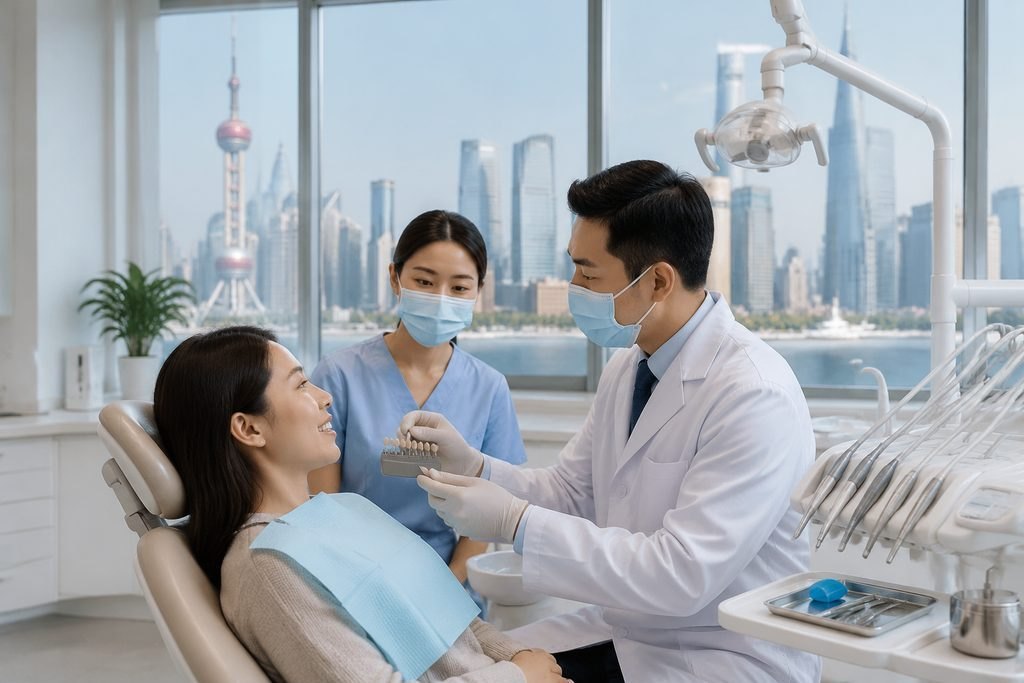
A new assessment looks at the teeth involved and the teeth around them. For a crown, the dentist checks how much healthy tooth structure remains, whether the tooth is stable, and whether the nerve is healthy. For a bridge, the dentist checks the teeth that would support the bridge and the space to be filled. These are clinical judgements that require current examination, not just a previous image.
The assessment also looks at the gums and bone. A tooth can be structurally sound but surrounded by gum disease that would affect the long-term outlook of a crown or bridge. The dentist needs to see the current gum condition and, where relevant, the bone level. This is one reason a new assessment may include a clinical examination and possibly new imaging, depending on what the dentist finds.
The bite is another factor. A crown or bridge that is too high or too low can affect comfort and function. The dentist checks how the upper and lower teeth meet and how the proposed restoration would fit into that relationship. This is not something an old X-ray alone can answer.
Finally, the assessment considers whether a crown or bridge is the right option at all. Alternatives might include a different type of restoration, a dental implant, or in some cases no immediate treatment. The treating dentist is the person who can explain the options and the reasons for each. You can ask what alternatives were considered and why one was recommended over another.
Temporary and final restorations: what to ask about each stage
Dental laboratory work may involve a temporary restoration before the final one is fitted. The temporary protects the tooth or teeth while the final restoration is being made. It is not the same as the final crown or bridge, and it may look or feel different.
Ask the treating dentist what the temporary stage involves for your case. Questions worth asking include: How long will the temporary be in place? What should I avoid eating or drinking while it is in? What should I do if it comes loose or breaks? These are practical questions that affect your daily routine, and the answers depend on your specific situation.
For the final restoration, ask what material is planned and why. Different materials have different properties, and the choice depends on the tooth's position, your bite, and other clinical factors. The dentist can explain the reasoning. You can also ask how the final restoration will be checked for fit and comfort before it is permanently placed.
Ask about the number of visits involved. Some crown and bridge work requires more than one appointment, but the exact number depends on the case, the laboratory, and the clinic's process. Do not assume a fixed number of visits. Confirm the planned stages with the provider you are considering.
The teeth included in the estimate and what the quote covers
When you receive an estimate for crowns or bridges, ask which teeth are included. A bridge involves more than one tooth: the supporting teeth and the replacement tooth or teeth. The estimate should make clear which teeth are being treated and what type of restoration is planned for each.
Ask what the quote includes and what it does not. For example, does it cover the temporary restoration, the final restoration, any laboratory work, and the appointments involved? Does it include treatment for gum disease or other issues found during the assessment? If a tooth turns out to need root canal treatment before a crown, is that a separate stage with its own cost? These are questions for the provider's written estimate, not assumptions you should make.
A temporary filling does not by itself establish whether root canal treatment is complete. If you have had a root canal elsewhere, ask the new dentist to assess the tooth and explain what they find. Do not assume that a previous root canal means the tooth is ready for a crown without further review.
If the estimate is not clear, ask for a written breakdown. The specific clinic or hospital can explain how its estimate is structured. ChinaSpecialistCare does not set or quote hospital fees; those are paid to the provider. Our role is coordination, and our fees are separate.
Later adjustment and maintenance visits
A crown or bridge is not necessarily a one-time event. After the final restoration is fitted, the dentist may check the bite and make adjustments. You may also need routine dental visits to monitor the restoration and the health of the surrounding teeth and gums.
Ask the provider what follow-up is planned and what it involves. Questions include: When should the restoration be reviewed? What should I do if I notice discomfort or a change in how it feels? Are there cleaning instructions specific to this type of restoration? The answers depend on your clinical situation and the provider's approach.
If you are travelling from overseas, ask how follow-up would work if you return home. Some adjustments can be handled by a local dentist; others may need the treating clinic. This is a practical question to raise before treatment, not after. The receiving clinician can explain what is reasonable to expect.
Do not assume that all follow-up is included in the original quote. Ask the provider what is covered and what would be a separate visit or charge. This is a question for the specific clinic's written estimate.
What to prepare before you contact a provider in China
Before you contact a dental provider in China, gather what you already have. Useful items may include recent dental X-rays, a treatment plan or note from a previous dentist, and a short summary of your main concern. You do not need to send a complete medical archive at the first contact. A brief summary is enough to start.
Be clear about what you want to know. Are you asking whether a crown or bridge is still appropriate? Are you comparing options? Are you trying to understand what a new assessment would involve? Stating your main question helps the provider direct you to the right clinician.
Ask the provider what records they would like to see and in what format. Ask whether they need new imaging and, if so, what type. Ask about the stages of treatment and what the estimate covers. These are reasonable questions, and a good provider will answer them clearly.
ChinaSpecialistCare can help you organise an enquiry and, where appropriate, coordinate an appointment with a suitable hospital or clinic. We do not diagnose or decide treatment. The hospital and its licensed clinicians decide suitability, what tests are needed, and what treatment is appropriate. An initial enquiry is free and does not require buying a proxy consultation.
If you have current pain, swelling, or a broken tooth, seek local dental care promptly. Do not delay necessary treatment for an overseas enquiry. Once your immediate situation is stable, you can explore options in China at a pace that suits your clinical needs.
To take the next step, send a brief summary of your situation and your main question through the enquiry form. The team will review what you have and suggest a relevant next step. You can also read more about crowns and bridges on our procedure page.
Sources & scope of this guide
References and official service information relevant to this guide.
This is general planning information and has not been individually reviewed by a doctor. Medical decisions and personal treatment advice come from your treating clinicians.