Start With the Exact Missing Record, Not the Whole File
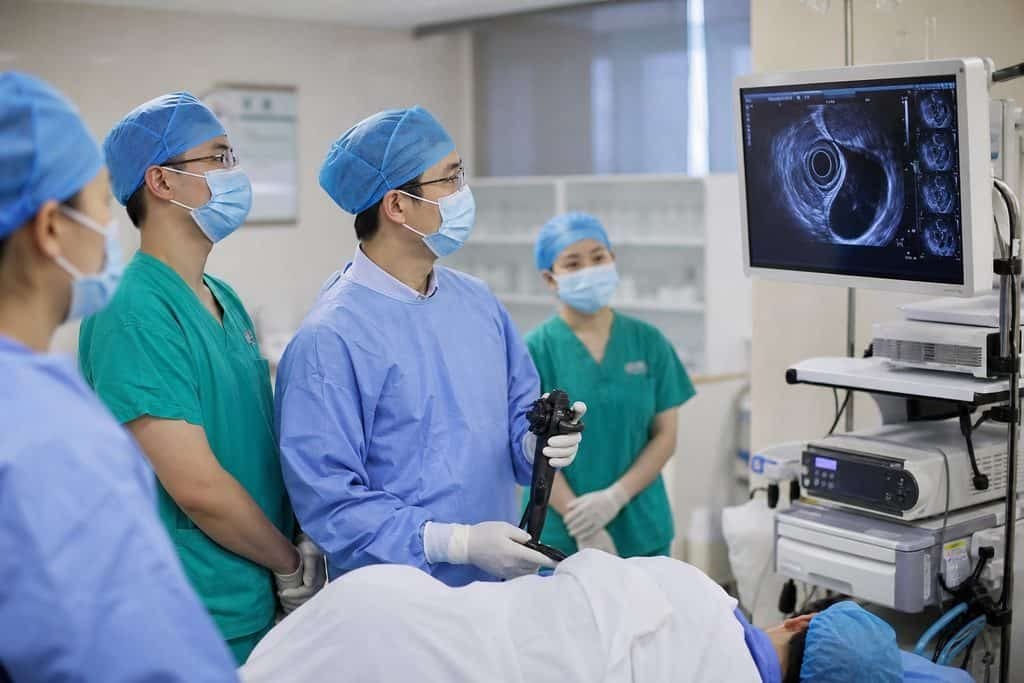
The practical question is not whether your file is complete in general. It is which single document the receiving clinician needs to answer the clinical question. Endoscopic ultrasound combines an endoscope with ultrasound to examine digestive structures and nearby organs. The value of the examination depends on what the team is trying to see, measure or sample.
If the request came back saying records are missing, ask for the exact item. It may be a prior imaging report, the images themselves, a pathology report, a procedure note, a medication list, or a recent laboratory result. A report without images can limit a second opinion. Images without a report can leave out the radiologist's measurements and impression. Ask which format the hospital accepts and whether it needs the original disc, a cloud link, or a certified translation.
Do not send a complete medical archive in the first message. A short summary of the diagnosis, the main question, and the known missing item is enough to start. The hospital or its international office can then tell you what to add.
If you have symptoms that are worsening, bleeding, severe pain, fever, or difficulty swallowing, seek local urgent care first. An overseas enquiry should not delay that assessment.
Who to Ask for Each Type of Record
Different records come from different places. Knowing who to ask prevents weeks of forwarding emails.
Imaging reports and images usually come from the radiology department or the imaging center where the scan was performed. Ask for the written report and the image files, not only a summary in a clinic letter.
Pathology slides and blocks come from the laboratory that processed the tissue. If a prior biopsy was taken, the receiving hospital may want the slides for review. Ask the laboratory what it requires for release and whether it can send them directly to the hospital in China.
Procedure reports, endoscopy notes, and discharge summaries come from the hospital or clinic where the procedure was done. The medical records department can usually provide a copy. If the original team is not reachable, a primary care physician or the current treating specialist may be able to request the records on your behalf.
Medication lists, allergy history, and recent laboratory results can often be provided by your current clinician. Ask for the generic medicine names, doses, and the date of the most recent blood tests.
For each request, note the date you asked, who you spoke to, and what they said they would send. This is not bureaucracy for its own sake. It helps the receiving team know what is still in transit.
Does the Missing Record Change the Next Step?
Sometimes it does. If the clinical question is whether a pancreatic cyst, a bile duct narrowing, or a lymph node needs sampling, the prior imaging and pathology may determine whether the examination is even the right next test. Without them, the receiving clinician may not be able to confirm the plan.
Sometimes it does not. If the examination is already scheduled and the missing item is a routine laboratory result, the hospital may be able to repeat it locally. Ask whether the missing record affects the decision to proceed, the preparation instructions, or only the completeness of the file.
The key distinction is between a record that changes the clinical question and a record that is simply part of the file. Ask the receiving team directly: does this missing item change whether you can plan the examination, or can it be obtained later?
A preliminary reply from a hospital is not a confirmed appointment. It may mean the team has enough to consider the case, but still needs records before a final decision. Ask what remains outstanding and who will confirm the next step.
Confirm Whether the Examination Includes Sampling
Endoscopic ultrasound can be used to examine structures and nearby organs. It may also be combined with a procedure to obtain tissue samples, but not every endoscopic ultrasound includes sampling. This distinction matters for preparation, consent, and what the results can show.
Ask the clinical team: does the proposed examination include tissue sampling or another intervention? If sampling is planned, ask who will perform it, what type of sample is expected, and how the results will be communicated. If sampling is not planned, ask what information the examination can and cannot provide.
Preparation is individual. The hospital will give instructions about fasting, medicines, and whether someone needs to accompany you. Do not assume that the same preparation applies to every endoscopic ultrasound. Ask the team responsible for your appointment.
If sedation is planned, arrange transport and supervision according to the treating team's safety instructions. Do not drive yourself or travel alone if the team advises against it.
How Results Reach Your Treating Team
Before the examination, ask how the report and any pathology results will be shared with your treating team at home. A report that stays in China does not help your local clinician. Ask the receiving hospital to name the person or office responsible for releasing the report, and ask whether that release can go directly to your home clinician rather than only to you.
Ask whether the hospital can provide a written report in English, whether images will be included, and how the report is expected to be delivered. Do not rely on a fixed deadline. Ask the hospital what its process is and who to contact if the report is delayed. If the hospital gives you a provisional answer, ask what still needs to happen before the report is final.
If a tissue sample is taken, the pathology result may take additional time. Ask the laboratory and the hospital how results are released and whether they can be sent directly to your home clinician. Ask whether the pathology report will include the specific findings your treating team needs to make its next decision, or whether a separate review is required.
If you need interpretation, ask whether the hospital provides it or whether you need to arrange it separately. A bilingual companion can help with navigation and communication, but clinical decisions remain with the treating team. Ask the hospital to confirm in writing who will explain the findings to you and when that conversation will happen.
If the report is delayed, ask whether a preliminary summary can be shared with your treating team while the final report is pending. A preliminary summary may help your clinician plan the next step, but it does not replace the final report. Ask the hospital what the preliminary summary can and cannot confirm.
Keep a simple record of what was requested, from whom, and on what date. If a record is still missing when you arrive, tell the receiving team at check-in rather than waiting for the examination day. The team can then decide whether to request it again, proceed with what is available, or adjust the plan.
Practical Preparation and a Brief Next Step
Gather the records you already have in one place. A short summary with dates, diagnoses, and the main clinical question is more useful at the start than a complete archive. Include the imaging report, pathology report if available, procedure notes, medication list, and recent laboratory results.
If a record is missing, ask the original provider for it in writing. If the provider is slow to respond, ask the receiving hospital whether a provisional review is possible while the record is pending. Do not assume that a missing record automatically stops the process, and do not assume it can be ignored.
For confirmed help with records, interpretation, or a specialist appointment request in China, ChinaSpecialistCare can coordinate the practical steps. This is non-clinical coordination. The hospital decides suitability, preparation, and whether the examination can proceed.
An initial enquiry is free and does not require buying a proxy consultation. Start with a brief summary and the specific missing record. The team can then explain what to request and from whom.
For more detail on the procedure itself, see the endoscopic ultrasound reference page.
Sources & scope of this guide
References and official service information relevant to this guide.
This is general planning information and has not been individually reviewed by a doctor. Medical decisions and personal treatment advice come from your treating clinicians.