Why a New Result Changes an Endoscopic Ultrasound Plan
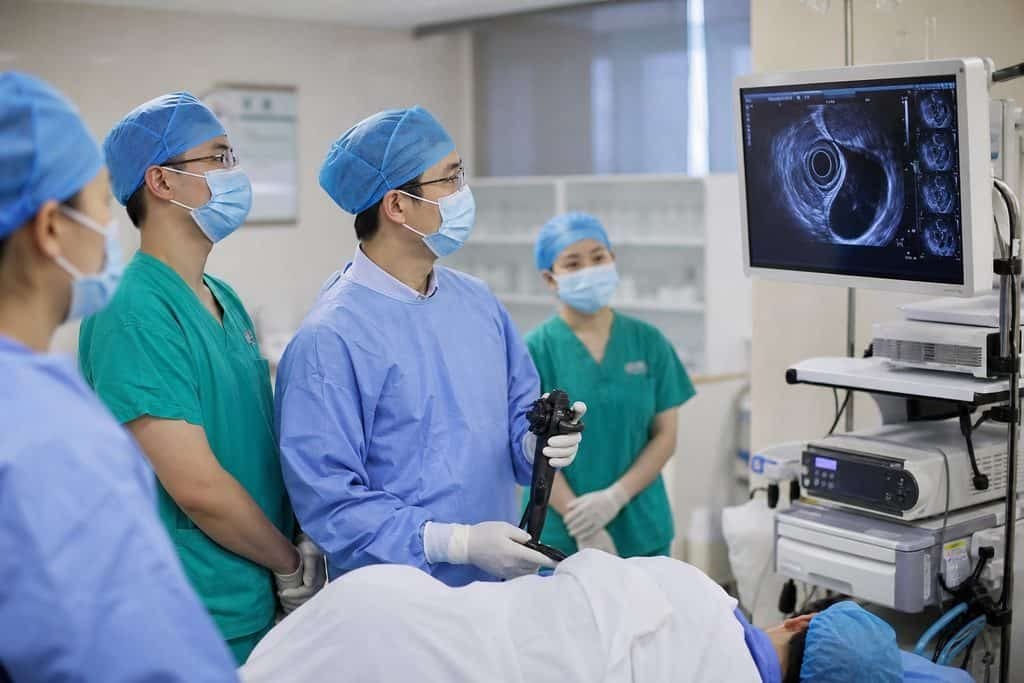
Endoscopic ultrasound combines an endoscope with an ultrasound probe to examine digestive structures and nearby organs. Because it sits close to those structures, it can be used to look at areas that are difficult to see clearly from outside the body. That is also why a new scan, a revised radiology report or a changed pathology result can shift what the requesting clinician wants the examination to answer.
The change is usually about the question, not the test name. A clinician who previously wanted a general look at the pancreas, bile ducts or stomach wall may now want a more focused assessment of one area. Or the new information may raise a specific concern that the endoscopist should address during the same procedure. Until you know which question the team is now trying to answer, you cannot judge whether the appointment you hold still matches the plan.
This is why the first useful step is not to rebook or cancel. It is to ask the treating team to state, in writing if possible, what the revised indication is and whether the examination itself has changed. A plan can change in scope, in timing or in what happens after the examination, and those are different problems with different next actions.
Reconfirm Whether Tissue Sampling Is Part of the Examination
Endoscopic ultrasound is an examination. Tissue sampling, such as a fine-needle aspiration or biopsy taken through the endoscope, is a separate step that may or may not be proposed alongside it. Not every endoscopic ultrasound includes sampling, and the presence of a lesion on imaging does not by itself mean a biopsy will be taken.
If your plan has changed, ask directly whether the revised proposal includes tissue sampling. If it does, ask who will take the sample, what the sample is intended to show, and what happens if the sample is not adequate for the laboratory. If it does not, ask why sampling is not currently planned and what finding during the examination would prompt the endoscopist to reconsider.
These are not administrative details. They determine how long the procedure may take, what preparation you need, what consent discussion you should have before sedation, and what follow-up is arranged. A revised plan that adds sampling is a different commitment from a diagnostic look, and you should understand that difference before you agree.
Ask How the New Findings Will Reach Your Treating Team
An endoscopic ultrasound result is only useful if it reaches the clinicians who are making decisions about your care. When the plan changes, the reporting route can change too. A result that was going to one specialist may now need to reach a surgeon, an oncologist or a multidisciplinary meeting. Ask who will receive the report, in what form, and whether the receiving team expects images as well as the written interpretation.
If you are coordinating care across countries, this is the point where a handover can fail quietly. The examination may be completed correctly, but the report may sit with the endoscopy unit while the treating team waits for it. Ask whether the endoscopy service will send the report directly, whether you are expected to carry a copy, and whether a translated summary is needed for clinicians outside China.
You do not need to solve this yourself. You do need to know which person or office owns the next step. If no one can name that owner, the plan is not yet complete, regardless of what the appointment letter says.
What to Put in Writing Before You Travel or Confirm
A changed plan is easiest to manage when the key points are in writing. You do not need a complete medical archive at this stage. A short, clear summary of the new result and the specific question you want answered is enough to start a useful exchange with the hospital or coordination team.
Ask the treating team to confirm the revised indication, the examination scope, whether sampling is included, the preparation instructions, and the reporting route. If any of these is still undecided, ask what information is missing and who will provide it. A written reply gives you something concrete to check against the appointment confirmation.
Keep your questions narrow. A message that asks five specific things is more likely to get a usable answer than a long narrative. If you are working with a coordination service, the same principle applies: give them the new result and the exact question, not the whole history again.
- The revised reason the examination is being proposed.
- Whether tissue sampling is included, and what happens if it is not.
- The preparation instructions for the current plan.
- Who will receive the report and by what route.
- Which person or office owns the next step.
Questions That Belong to the Treating Clinician, Not to a Coordinator
Some questions cannot be answered by an administrative or coordination team, and it is worth being clear about which ones those are. Whether the examination is clinically necessary, whether sampling is safe for you, what alternatives exist, and how the result should change treatment are decisions for the treating clinician. A coordinator can help you put those questions in front of the right person, but cannot answer them.
This matters when a plan changes, because the temptation is to look for a quick yes or no from whoever replies first. A preliminary reply from a hospital office is not a clinical decision. It may confirm that an appointment exists or that a document was received, but it does not establish that the revised examination is appropriate for you.
If you are considering care in China, the same boundary applies. The hospital decides suitability and acceptance. An enquiry can start the process, but it does not confirm that the procedure will go ahead or that a particular specialist will be involved.
A Practical Next Step After the Plan Changes
Start with one short message to the treating team or the hospital that proposed the examination. State the new result in a sentence or two, then ask the three questions that matter most: what the examination now covers, whether sampling is included, and how the findings will reach your treating team. Ask for a written reply you can keep.
If the reply is vague, narrow it further. Ask the team to name the revised indication in one sentence, to state whether the current appointment still matches that indication, and to confirm who will send the report onward. A reply that answers only part of this is still useful, because it tells you which point is unresolved and who needs to resolve it.
Keep a simple record of what changed and when. Note the date of the new imaging or pathology result, the date you sent it to the treating team, and the date of their reply. If the plan shifts again, this short timeline shows the sequence without you having to reconstruct it from memory, and it gives the receiving clinician a clear starting point.
If you are planning care in China and want help getting those questions to the right specialist, ChinaSpecialistCare can support records handling, interpretation and specialist appointment requests for this kind of assessment. An initial enquiry is free and does not require buying a proxy consultation. The hospital and its clinicians decide suitability, the examination plan and what the results mean for your care.
Do not delay urgent local assessment while an overseas enquiry is in progress. If your symptoms are worsening, that takes priority over travel planning.
Sources & scope of this guide
References and official service information relevant to this guide.
This is general planning information and has not been individually reviewed by a doctor. Medical decisions and personal treatment advice come from your treating clinicians.