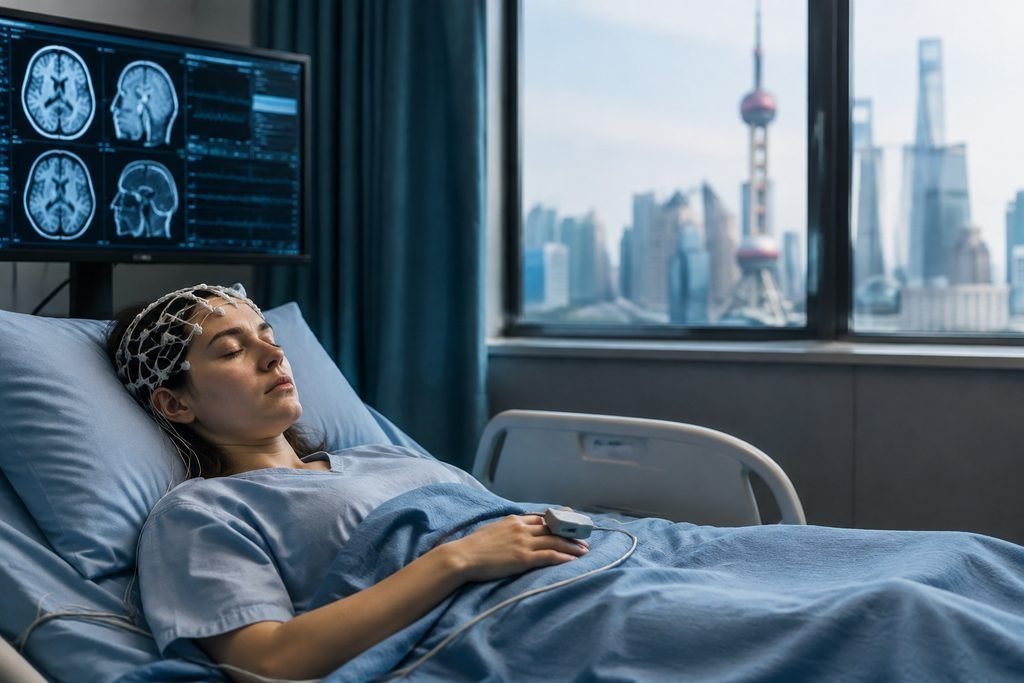
What epilepsy surgery is intended to change
The realistic goal of epilepsy surgery is to reduce or stop the seizures that arise from a specific area of the brain, in people whose seizures have not been controlled by medication. That is the narrow claim the evidence supports. It is not a treatment for every kind of epilepsy, and it is not offered simply because seizures are difficult.
This distinction matters when you read about surgery online. A procedure can be technically successful in removing or disconnecting the target tissue and still leave a person with seizures, because the seizure-generating area may be broader than the visible lesion, or may not be fully identifiable before surgery. Assessment is designed to estimate that risk for an individual, not to promise an outcome.
So the first question is not "can surgery stop my seizures?" but "has my seizure type, my imaging and my EEG findings been reviewed together by a team that performs this operation?" That review is the step that turns a general possibility into a case-specific judgement.
What surgery cannot address
Surgery does not undo the underlying cause of epilepsy in every case. Some causes are diffuse, genetic or not visible on imaging, and those are generally less suitable for a focal operation. Surgery also does not remove the need for neurological follow-up, and it does not automatically allow medication to be reduced or stopped. Any change to antiseizure medication is a decision for the treating neurologist, made after surgery and based on how the person responds.
Surgery also cannot answer questions it was never designed to answer. It does not treat the memory, mood, sleep or social difficulties that can accompany long-standing epilepsy, although some of these may improve or worsen after surgery and should be part of the discussion beforehand. It does not guarantee that a person can drive, work or travel without restriction; those decisions depend on seizure control and local rules.
Finally, an assessment is not a commitment to operate. A team may conclude that the risks outweigh the likely benefit, that more information is needed, or that another treatment route is more appropriate. That is a legitimate outcome, not a failure of the process.
Why presurgical assessment is the real decision point
Presurgical assessment is a structured attempt to answer three questions: where do the seizures start, can that area be removed or disconnected without unacceptable harm, and is the expected benefit worth the risk for this person? The answers come from several sources reviewed together, not from a single test.
The assessment usually draws on a detailed seizure history, video-EEG monitoring, high-resolution MRI, and neuropsychological testing. Depending on the case, teams may also use PET, SPECT, invasive EEG with implanted electrodes, or functional mapping. Which of these are needed is a clinical decision, and it varies with the individual. No single list applies to everyone, and you should not assume that a test you have read about will be requested in your case.
This is where the distinction between "eligible for assessment" and "suitable for surgery" becomes practical. Being referred for assessment means a team is willing to look at the question. It does not mean surgery will follow. The assessment itself may take place over more than one visit, and some parts may need to be repeated or extended if the first results are inconclusive.
Individual differences that change the answer
Two people with the same diagnosis can receive different recommendations. The location of the seizure focus matters: an area that can be removed with limited expected impact on language, memory or movement is a different proposition from one embedded in eloquent cortex. The underlying pathology matters: some lesions are more consistently associated with good seizure outcomes after complete removal than others.
Age, duration of epilepsy, other medical conditions, previous brain surgery and the person's own priorities all feed into the decision. So does the strength of the evidence that the seizures truly begin in one place. When the data point to several possible starting areas, or when non-invasive tests disagree, the team may recommend invasive monitoring or decide that surgery is not the right route.
This is why no article, including this one, can tell you whether you are a candidate. It can only tell you which questions to ask and which records to gather so that a clinical team can answer that question for you.
Records to prepare before asking a Chinese team
A useful enquiry starts with a short summary: seizure types and frequency, age at onset, medications tried and the response to each, and the main question you want answered. From there, ask the hospital which source records it wants to see and in what form. A summary letter alone may not be enough for a presurgical review, but the specific list is the receiving team's to set.
Ask your current neurology team what it can provide in English, or with a translation, and in a format the receiving hospital can read. The records that tend to matter for this question include EEG reports and, where available, the raw data; MRI images on disc rather than the written report alone; clinic letters; the medication history; and any previous neuropsychological or video-EEG monitoring reports. If some records are missing, say so rather than waiting until the file is complete. The receiving team can tell you what it actually needs and whether anything must be repeated.
One practical point about imaging: a radiology report describes what the reporting radiologist saw, but a surgical team reviewing a possible seizure focus generally needs the images themselves. Ask for the disc or a secure transfer link at the same time as the report, and check that the images cover the whole brain rather than a single sequence. If you are unsure what you have, send the list of what exists and let the team tell you what is usable.
Do not send passport numbers, payment details or a complete medical archive in a first message. A brief summary is enough to start, and the hospital or coordination team will explain how to share records securely afterwards. Keep a copy of everything you send, and note who sent it and when, so that nothing is lost between your local team and the Chinese hospital.
It also helps to write down your own questions before the visit, in order of importance. For this subject, the questions that change decisions are usually: which assessments does this team consider necessary in my case, and why; what would make surgery unsuitable for me; what would the follow-up involve if I did proceed; and how would my neurologist at home be kept informed. Bring those in writing, because a first consultation covers a lot of ground and it is easy to leave without asking the one question that mattered most to you.
- Seizure diary or summary: types, frequency, triggers, and how long each episode lasts.
- Medication list: current and previous antiseizure medicines, doses, and what changed after each.
- EEG and video-EEG reports, plus raw data if the hospital can accept it.
- MRI images on disc, not only the written report.
- Clinic letters, neuropsychology reports and any previous surgical or invasive monitoring records.
How continuing neurological care is coordinated after the visit
Surgery, if it goes ahead, is one part of a longer pathway. The period after surgery involves monitoring for complications, reviewing seizure control, adjusting medication under neurological supervision, and planning rehabilitation or support where needed. That follow-up has to be arranged deliberately, because it may involve both the Chinese hospital and your neurologist at home.
Before any treatment decision, ask the Chinese team how it would hand over your ongoing care: what it would send to your local neurologist, how quickly, and who would be responsible for medication decisions once you return home. Ask your local neurologist the same question from their side. A clear answer here matters more than a general assurance that follow-up is available.
If surgery is not recommended, that is still a useful result. Ask what the assessment found, what alternatives were considered, and what the plan is for continuing medical management. You can then take that information back to your own neurologist, who remains the clinician responsible for your day-to-day epilepsy care.
Sources & scope of this guide
References and official service information relevant to this guide.
This is general planning information and has not been individually reviewed by a doctor. Medical decisions and personal treatment advice come from your treating clinicians.