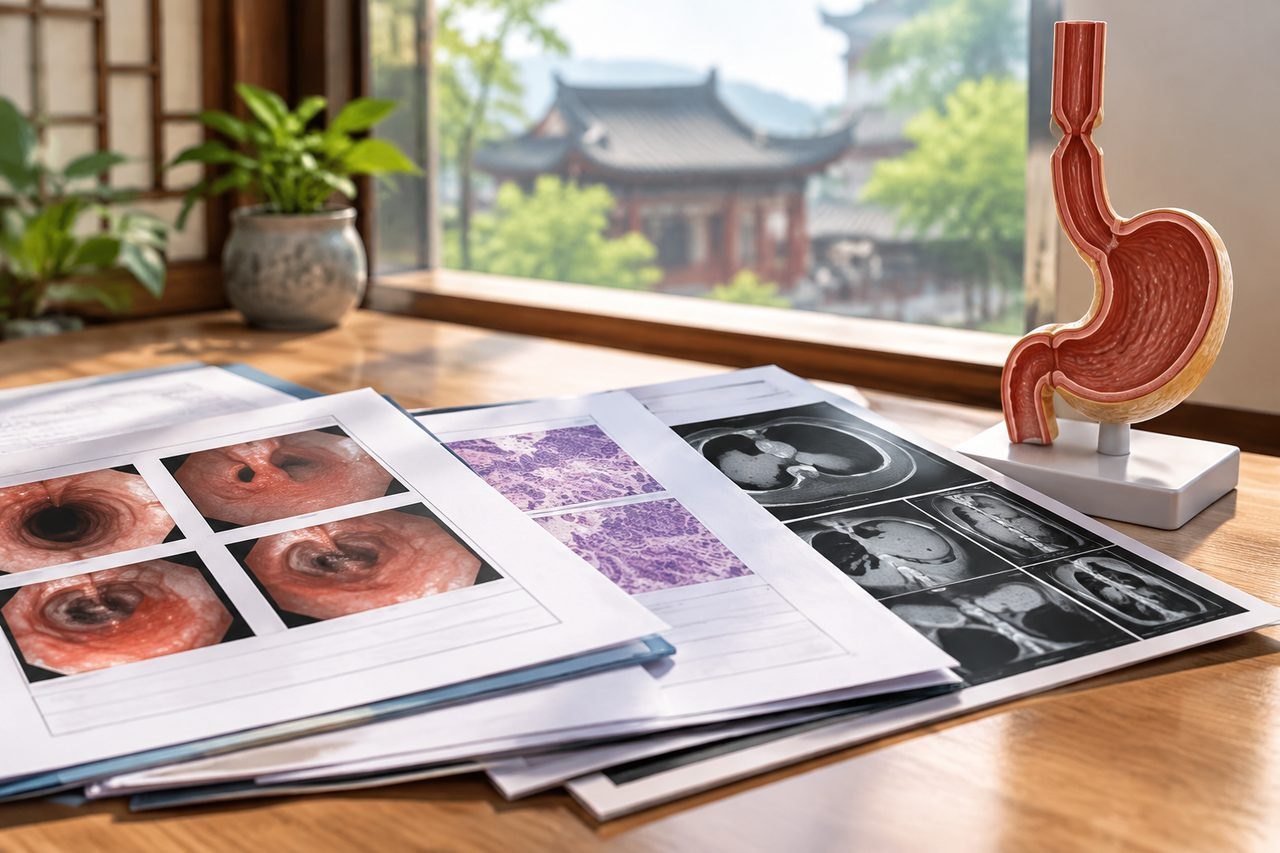
What the operation involves and why the proposed extent matters
Oesophagectomy is the surgical removal of part or all of the oesophagus. The exact extent of the resection, the approach used, and whether any part of the stomach or nearby lymph nodes are involved are decisions the treating surgical team makes after reviewing imaging, pathology and the patient's overall condition. No website can confirm those details in advance.
For an overseas patient, this matters because the extent of surgery can affect how long you may need to stay near the hospital after discharge, what kind of support you need, and when the surgical team considers it safe to travel. Those are clinical judgments, not administrative ones. The team that performs the operation is best placed to explain the proposed plan and what it means for your recovery timeline.
Ask the hospital directly: what is the proposed extent of the resection, what approach is planned, and what does the team expect in terms of hospital stay and post-discharge monitoring? Write the answers down. They become the basis for every other planning decision.
Decisions to settle before you book flights or accommodation
A frequent planning mistake is booking travel before the hospital has confirmed acceptance and before the surgical team has explained the post-discharge plan. Hospital acceptance is not automatic. A records review can indicate whether a patient appears suitable for assessment, but it cannot confirm acceptance in advance, and it does not establish that surgery will proceed.
Before committing to flights, you need clarity on several points. Has the hospital reviewed your records and offered an appointment? Has a surgeon discussed the proposed operation with you, even if only by proxy review? What does the hospital say about the expected length of stay, both in hospital and in the local area after discharge? What follow-up appointments are planned, and can they be done remotely or do they require you to remain in China?
These are not questions you can answer from a website. They require direct communication with the treating hospital. If you are working with a coordination service, ask them to obtain written answers from the hospital rather than relying on general guidance.
Accommodation near the hospital matters more than it might for a shorter procedure. After esophagectomy, patients often need to stay close to the hospital for a period of monitoring and follow-up before the surgical team considers travel safe. The length of that period is a clinical decision. Ask the hospital what they recommend for your specific case, and plan accommodation that can be extended if needed.
What post-discharge support typically involves and who provides it
After discharge from an esophagectomy, patients need support with nutrition, wound care, medication management, and monitoring for complications. Some of this is clinical care that must be provided by qualified clinicians. Some is practical support that a companion or coordination service can provide.
It is important to distinguish these. A hospital companion or interpreter can help with communication, navigation and practical tasks. They cannot provide clinical care, make medical decisions, or replace nursing or medical follow-up. If you need clinical support after discharge, that must come from the treating hospital or a qualified local provider.
Ask the hospital: what follow-up appointments are scheduled after discharge? Who do we contact if there is a concern? What symptoms should prompt an immediate return to the hospital? What support does the hospital provide, and what do we need to arrange ourselves? These answers determine what kind of help you need to organise.
For international patients, language and communication are practical concerns. If you do not speak Chinese, you will need interpretation for follow-up appointments and for any communication with the hospital after discharge. This is a coordination task, not a clinical one, but it needs to be arranged in advance.
Planning the handover to your home clinical team
The transition from care in China to care at home is a critical part of planning. Your home clinical team will need a clear record of what was done, what was found, and what ongoing care is required. This is not something you can reconstruct from memory.
Before you leave China, ask the treating hospital what documents they will provide. This may include an operative report, a discharge summary, pathology results, and imaging. Ask whether these will be in English or whether you need to arrange translation. Ask how long it will take for the documents to be ready, and whether they can be sent electronically to your home clinician.
Your home team will also need to know what follow-up is recommended and what restrictions apply. Ask the hospital to include this in the discharge documentation. If your home clinician has questions, they may need to communicate directly with the treating team. Ask whether the hospital is willing to provide contact details for this purpose.
Do not assume that your home team can access records from China automatically. In most cases, you will need to request and carry or send the documents yourself. Plan for this before you leave.
Contingencies: what if recovery takes longer than expected
Recovery from esophagectomy does not follow a fixed schedule. Some patients progress more quickly than others, and complications can extend the time needed before travel is safe. Your planning should include contingencies for a longer stay.
Ask the hospital: what happens if recovery is slower than expected? Can follow-up appointments be rescheduled? What support is available if we need to stay longer? These are practical questions, but they depend on clinical assessment. The surgical team will advise when it is safe to travel, and that advice may change during recovery.
If you are travelling with a companion, consider whether they can stay longer if needed. If you are travelling alone, consider what support you would need if you had to stay longer than planned. This is not about expecting problems; it is about making sure you are not forced into a difficult decision because of inflexible travel arrangements.
Travel insurance and flexible bookings can help, but they do not replace clinical advice. The decision about when to fly home must be made by the treating team, based on your individual recovery.
Practical next steps for international patients
Start with a clear question to the hospital: based on my records, is esophagectomy a reasonable option, and what would the proposed plan involve? This is a clinical question, and it needs a clinical answer. A free initial case review can help identify what information is missing and what the next step should be, but it is not a diagnosis or a promise of acceptance.
If you decide to proceed, ask for written confirmation of the hospital's plan, including expected length of stay, follow-up arrangements, and what documents will be provided at discharge. Ask what support the hospital provides and what you need to arrange independently. Ask about language support and how communication will work after discharge.
For patients who want a records-based opinion before travelling, a proxy consultation is an option. It is not a prerequisite for every appointment or operation, and it does not guarantee acceptance. It is a way to get a specialist's view while you remain at home, which can help you decide whether travelling to China is the right choice for you.
The most useful thing you can do now is gather your records and ask specific questions. The hospital decides suitability. Your job is to make sure you have the information you need to make an informed decision.
Sources & scope of this guide
References and official service information relevant to this guide.
This is general planning information and has not been individually reviewed by a doctor. Medical decisions and personal treatment advice come from your treating clinicians.