
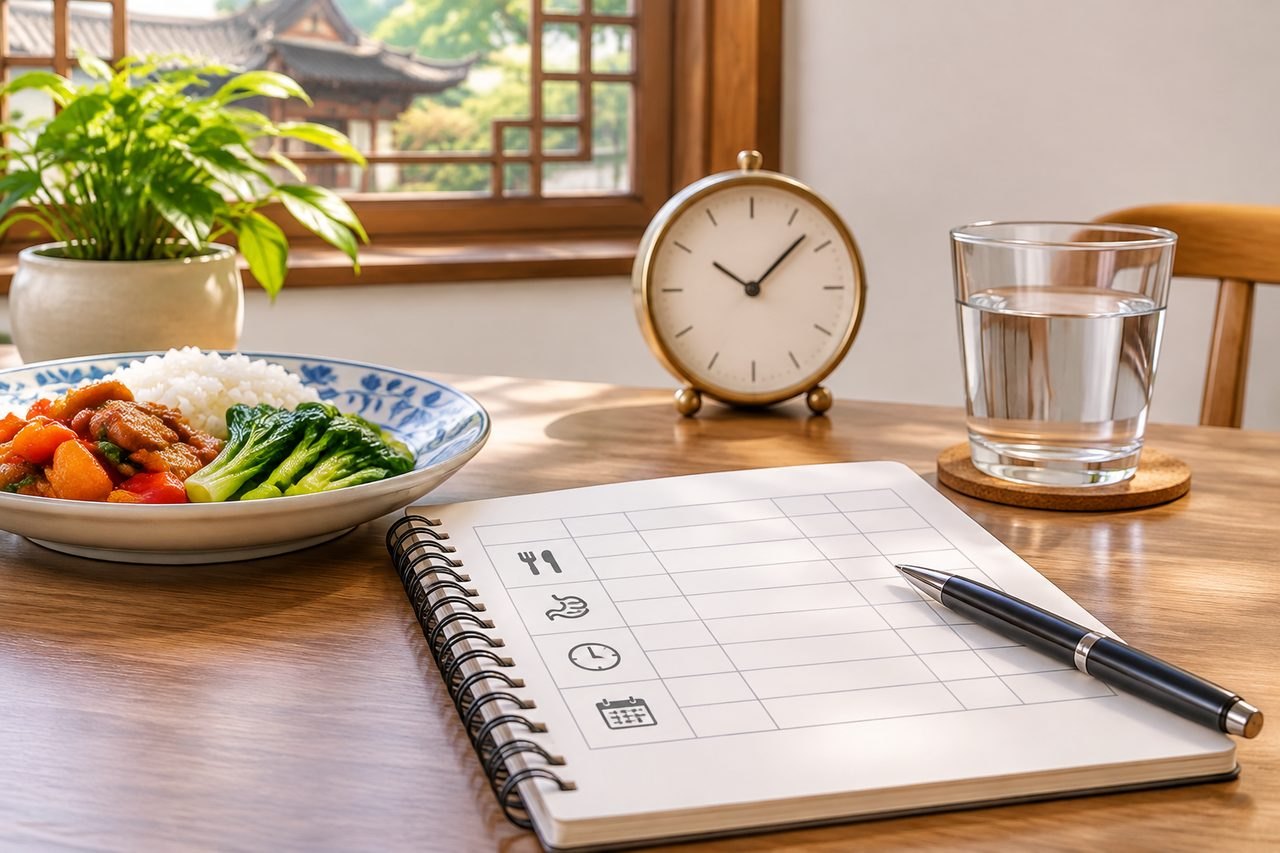
Why a meal-linked pain timeline matters at a gallstone consultation
Gallstones are common, and many people who have them never develop symptoms. When someone does have symptoms, clinicians want to know whether discomfort is genuinely linked to eating, how soon it starts, and whether episodes are changing. A consultation in China is short relative to the months of experience you bring, so the most useful thing you can do is convert that experience into a clear record.
A timeline does not diagnose anything. It gives the specialist a structured account to compare with your imaging and blood tests, and it helps them ask better follow-up questions. The clinician decides whether your pattern fits gallbladder-related pain or points toward something else, and whether further tests are needed. Your job is to describe accurately, not to interpret.
What to record for each episode
Keep the record simple enough that you will actually maintain it. A notebook or a spreadsheet both work. For each episode, note the date and the time the discomfort started. Record when you last ate and roughly what the meal contained, especially whether it was fatty or large. Note where the pain was and whether it moved, how severe it felt, and how long it lasted.
Add what happened around the episode: whether you vomited, had fever or chills, noticed a change in urine or stool colour, or felt the pain radiate toward your back or right shoulder. Record what you took and whether it helped. If you had no pain on a particular day, that is also useful, because the absence of symptoms between episodes is part of the pattern.
- Date and clock time the discomfort began
- Time of the last meal and a short description of it
- Location, severity and duration of the pain
- Associated features such as nausea, vomiting, fever or colour changes
- What you took and whether it helped
- Days with no symptoms
Records and questions to bring to the consultation
Bring the actual images and reports, not only a summary. If you have had an abdominal ultrasound, CT, MRI or blood tests, ask the originating provider for the reports and, where possible, the image files on disc or through a portal. A specialist reviewing a scan benefits from the original images, and the receiving hospital can tell you which formats it accepts.
Prepare a short list of questions. Ask what the clinician thinks your pattern suggests, what tests or imaging they would want and why, and what the alternatives to any proposed treatment are. Ask about the risks and benefits of waiting compared with intervening, and what symptoms should prompt you to seek care sooner. Ask who will follow up and how results will be communicated.
Symptoms that should not wait for a planned consultation
Some features of gallbladder disease need urgent assessment rather than a scheduled appointment. Severe pain that does not settle, pain with fever or chills, persistent vomiting, yellowing of the eyes or skin, or pale stools and dark urine are reasons to seek medical care promptly wherever you are. Do not delay assessment to keep a planned overseas appointment.
If you are already in China and symptoms worsen, use local urgent care rather than waiting for your consultation date. Tell the treating team about your gallstone history and any medicines you take. The decision about urgency belongs to the clinicians assessing you.
The timeline you have been keeping is useful in this situation too. Bring it with you to urgent care, because a record of when the pain started, how it has changed and what you have taken gives the assessing team a clearer picture than a single description at the desk. Note the time of your last meal and whether the pain has followed the same pattern as earlier episodes.
It helps to know in advance where to go. Before or shortly after arrival, ask your accommodation or the coordinating team which nearby hospital has an emergency department and how to reach it. Keep your passport, insurance details and a short medication list together so you are not searching for them while unwell.
Do not adjust or stop any prescribed medicine on your own because of worsening pain. Tell the assessing clinician what you take, including anything for blood pressure, diabetes or clotting, and let them decide what is appropriate. If you have had previous gallbladder imaging, mention it and share the report if you can.
A worsening episode may change your plans. If the treating team advises admission or a procedure, that decision sits with them and the hospital, not with a planned itinerary. Ask what the assessment has shown, what the next step is and what you should do if symptoms return after you leave.
Once you are stable, you can return to the planned consultation with a fuller record. Add the urgent episode to your timeline, including what was found and what was advised, so the specialist sees the whole sequence rather than only the earlier pattern.
The practical next step is to keep the timeline current and to confirm, before you travel, how you would reach urgent care in the city you are visiting. For the planned consultation, a short summary of your symptoms and your main question is enough to begin.
Practical preparation and the next step
Organise your timeline, imaging reports and a current medication list before you travel. A brief summary of your main question is enough for an initial enquiry; you can share fuller records once the team explains what is needed. An initial enquiry is free and does not commit you to any paid service, and a proxy consultation is optional rather than a prerequisite.
The hospital and its clinicians decide whether an appointment, further tests or treatment are appropriate. Our role is non-clinical coordination: helping match your question to a suitable specialist and preparing the visit. Start with a short summary of your symptoms and what you want the consultation to answer.
Sources & scope of this guide
References and official service information relevant to this guide.
This is general planning information and has not been individually reviewed by a doctor. Medical decisions and personal treatment advice come from your treating clinicians.