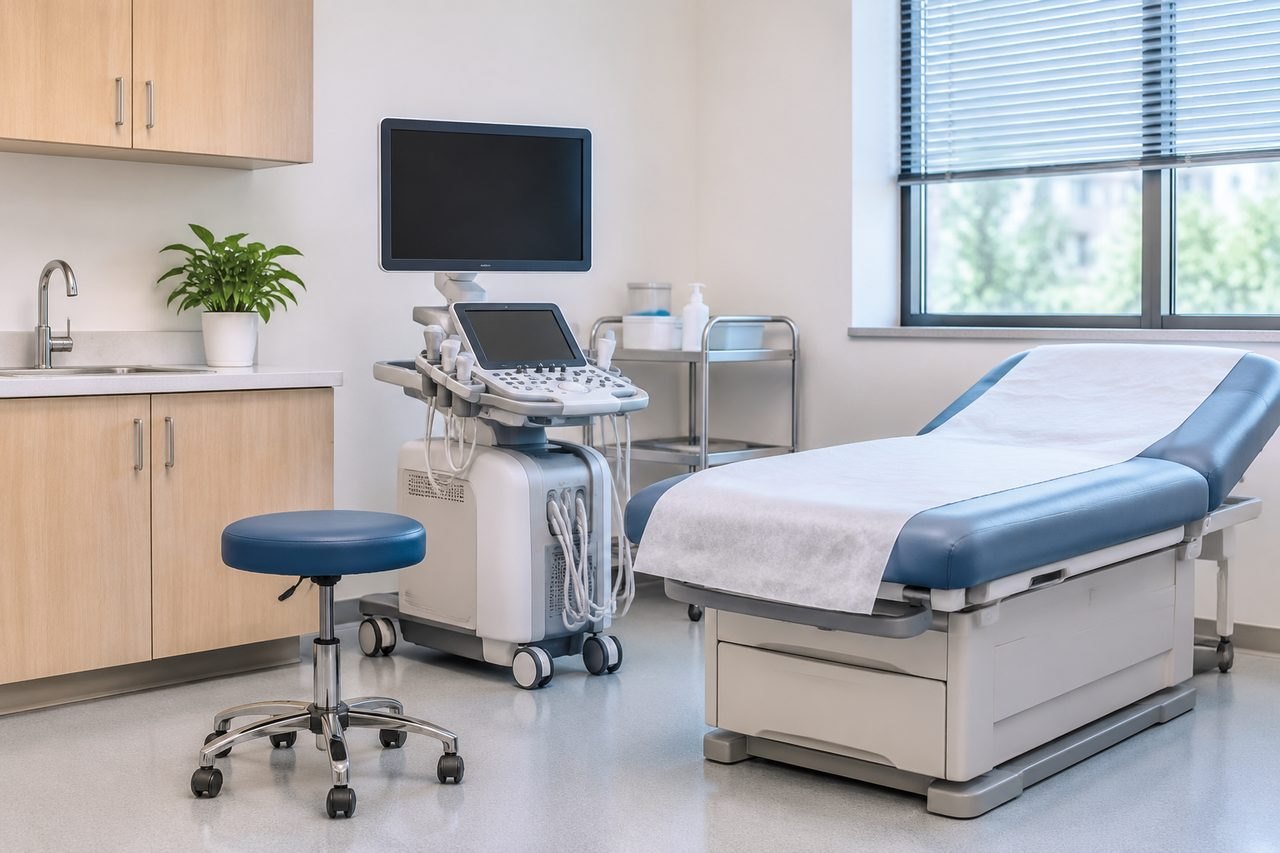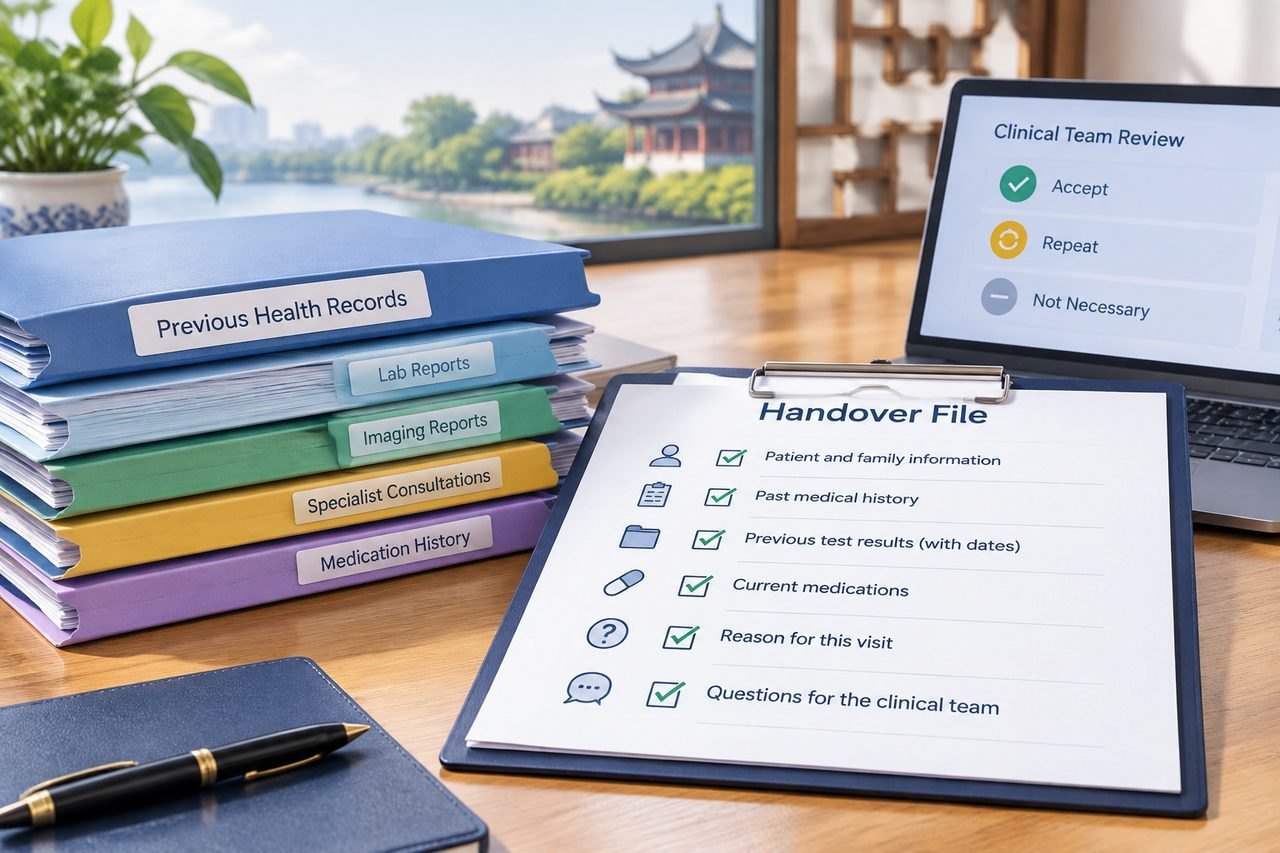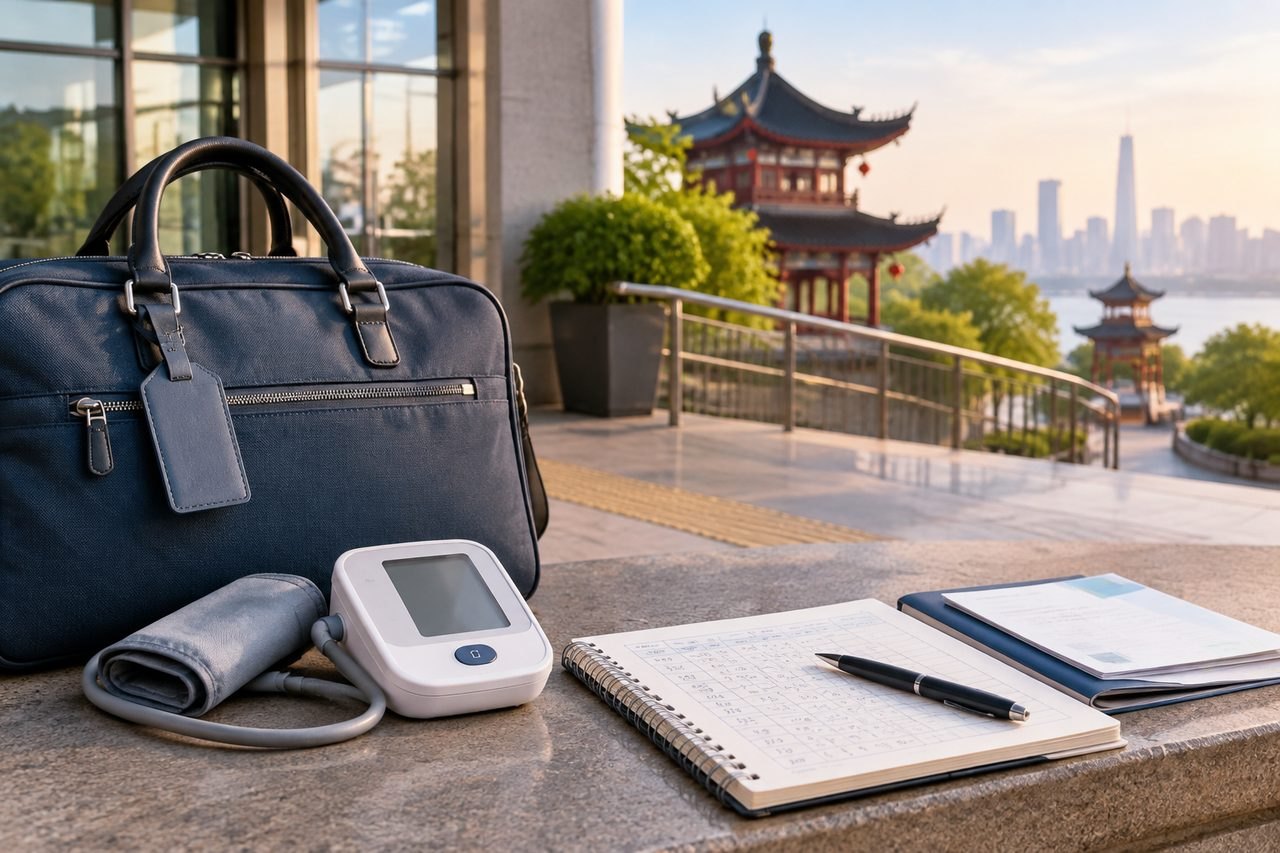
Health Checks Before Elective Surgery in China: Sharing Results With Your Doctor at Home
How to plan pre-surgery health checks in China and hand the results to your doctor at home, with clear records, questions and confirmation steps.

Patient guides · care in China
Plan a specialist appointment and the records to prepare.

How to plan pre-surgery health checks in China and hand the results to your doctor at home, with clear records, questions and confirmation steps.


How international patients can prepare for a rheumatology assessment of morning stiffness in China, what records help and what the treating team must confirm.

Planning psychosis assessment or care in China: what records to gather, which questions to ask the treating team, and where coordination ends and clinical decisions begin.

What imaging to gather before a colorectal cancer review in China, what each scan shows, and which questions the treating team must answer.

Planning lung surgery in China? Learn how to discuss segmentectomy versus lobectomy with your thoracic surgeon, what records to prepare, and what to confirm.

Plan a kidney health assessment in China and learn how to share the results, imaging and recommendations with your doctor at home.

Planning a skin check in China? Learn how to hand over previous results for a clinician to review, rather than deciding on your own which tests to drop.

How to submit prior liver results for clinician confirmation in China, distinguish screening from symptom care, and avoid unnecessary repeat testing.

Planning a bone health assessment in China? Learn what to confirm about face-to-face English interpretation and written reports before you book.

Send your existing lung health results to a Chinese hospital for clinician confirmation, so you avoid unnecessary repeat tests before your assessment.

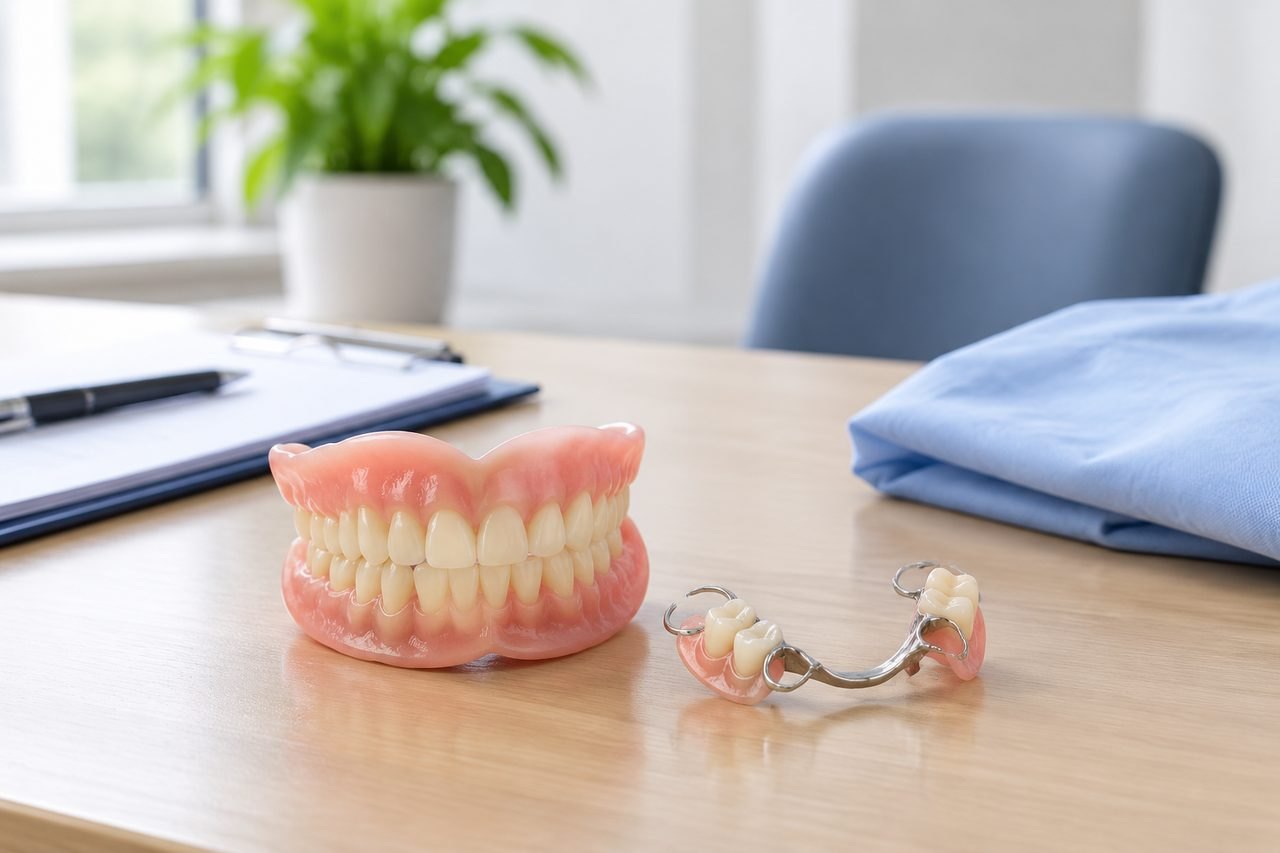
If your dental check report is ready after you leave China, decide who explains it, who contacts the clinic and how to keep the handover clear.

Explore Fuwai Hospital cardiac surgery, coronary bypass and valve teams, their research and honours, and questions for an individual assessment.

How surgical complications are handled in China: who responds, how records and consent work, and what an overseas patient should ask before and after surgery.

What happens when a foreigner needs emergency care in China: where to go, what to bring, how payment and language work, and what to ask the treating team.

How ICU transfer decisions are made in China, what records the receiving team needs, and which clinical and billing questions families should confirm first.

How overseas patients can plan postherpetic neuralgia assessment in China: records, pain history, medicine review and what the treating team must confirm.

How overseas patients can think about abdominal pain in China: urgent warning signs, which records help a gastroenterology visit, and what to confirm before travelling.

What overseas patients should ask about mortality data for surgery in China, how to read published figures, and what hospital teams must confirm for an individual case.

What the WHO surgical safety checklist covers, how it relates to safety in Chinese hospitals, and the questions international patients should ask their surgical team.

How international patients can plan allergy testing in China: which records to bring, what each test can and cannot show, and what to confirm with the clinic.

How international patients can weigh public tertiary and private international hospitals in China, from clinical fit and records to language, wards and quotes.

How robot-assisted hysterectomy is planned in China, what records the surgical team needs, and which questions to settle before travelling for care.

How to compare TCM consultation options in China: hospital versus private settings, clinician type, herbal safety, records and what to confirm before booking.

How chronic kidney disease changes bariatric surgery planning in China, which records matter, and what the treating team must confirm before any decision.

How international patients with heart conditions can prepare for bariatric surgery assessment in China, what records matter and what the treating team must confirm.

How weight-loss surgery relates to knee pain, what Chinese bariatric and orthopedic teams assess, and which records to prepare before an enquiry.

How weight-loss surgery may affect fertility, what to ask before and after surgery in China, and how to time a pregnancy decision with your clinical team.

How to plan a pregnancy after gastric bypass or sleeve gastrectomy in China: what to ask surgeons and obstetric teams, which records matter and how to prepare.

Considering weight-loss surgery when you also have a hernia? What to ask about combined repair, records, sequencing and hospital assessment in China.

How reflux is assessed before bariatric surgery in China, which records matter, and what to ask the surgical team before travelling.

How families can assess adolescent weight-loss surgery in China: age and consent rules, assessment, records to gather and questions for the treating team.

What to verify before weight-loss surgery in China after 50: records, anaesthetic and medication review, procedure choice, aftercare and provider questions.

How BMI thresholds for bariatric surgery are applied in China, what records support an assessment, and which questions to ask the treating team.

What overseas patients should expect when asking a Chinese hospital whether they qualify for bariatric surgery, which records matter and what only the clinical team can decide.

How bariatric revision suitability is judged in China, which records matter, what to ask the surgical team and how to request a records-based review.

Why weight loss can stall after gastric bypass or sleeve surgery, what records a China bariatric team needs, and how a records-based review works before travel.

Why weight can return after gastric bypass, what a China assessment involves, which records to gather and what the treating team must confirm before any revision.

Why weight can return after sleeve gastrectomy, what assessments and treatment options clinicians may consider, and how to plan a specialist review in China.

How revisional bariatric surgery is assessed in China: why revision is considered, what records the surgical team needs and what to confirm before planning.

How SADI-S differs from sleeve gastrectomy and bypass, what records a Chinese bariatric team needs, and which safety and follow-up questions to settle first.

What overseas patients should ask before one anastomosis gastric bypass in China: suitability, reflux and nutrition risks, records and written fee scope.

How one-anastomosis gastric bypass works, what to ask a Chinese bariatric team, which records matter and how to request a records-based suitability review.

How Roux-en-Y gastric bypass changes digestion, what records Chinese surgical teams need, and which questions to settle before committing to care abroad.

How sleeve gastrectomy works, what Chinese bariatric teams assess before accepting a patient, which records to prepare and what to confirm in writing.

How a hernia after weight-loss surgery is assessed, what records a Chinese surgical team needs, and which questions to settle before travelling for repair.

Why gallstones can appear after weight-loss surgery, what records a China hospital needs, and how to ask whether gallbladder surgery is planned separately.

Why hair loss can follow bariatric surgery, what tests and nutrition review involve, and how to plan assessment and follow-up in China.

Why fatigue after bariatric surgery needs proper assessment, which records help a China review, and what to ask the treating team before travelling.

How body contouring after major weight loss is assessed in China, which records matter, what to ask the surgical team and how to prepare an enquiry.

How robot-assisted rectal surgery works, what records a Chinese surgical team needs, and the questions to settle before travelling for treatment.

How conventional IVF and ICSI differ, why the embryology lab and semen findings decide the method, and what to confirm before arranging fertility care in China.

How international patients can build a pre-operative checklist for surgery in China: records, tests, consent, medicines and questions for the treating team.

What to check after surgery in a China hospital: discharge instructions, medicines, wound care, warning signs, records and follow-up questions for your surgeon.

What a hospital discharge checklist in China should cover, which documents to request, and what to confirm with the treating team before you leave.

What overseas patients should clarify before robotic gastrectomy in China: surgical suitability, records, staging, hospital choice and written fee scope.

How consent for surgery is handled for older adults in China, what families should ask about capacity, guardianship and interpreters, and how to prepare.

How overseas patients can judge whether robotic ventral hernia repair in China suits their hernia, what records the surgical team needs and what to confirm before travel.

Compare choosing care in China or Thailand by matching the specialty, hospital team, written quote scope and follow-up plan to your own records.

How overseas patients can assess robotic bariatric surgery in China: the right questions on suitability, records, technique, costs and follow-up.

Comparing care in China and India? Learn which questions to ask, how to compare written plans fairly, and what to confirm before choosing a hospital abroad.

What to check before robotic gallbladder surgery in China: records, surgeon and system questions, conversion planning, cost scope and hospital acceptance.

A decision framework for comparing medical care in China and Malaysia: the named treatment, hospital route, written quote scope, records and follow-up.

How overseas patients can compare care in China and Germany on records, hospital route, language, follow-up and cost scope without assuming either is better.

What overseas patients should confirm before robotic adrenal surgery in China: records, surgeon experience, conversion planning, costs and follow-up.

Compare China and Mexico for overseas medical care by asking the same questions of each provider: scope, records, language, follow-up and written costs.

A practical way to compare treatment in China and the UAE: what to ask each provider, how to weigh records, language, follow-up and cost scope.

A practical way to compare treatment in China and Saudi Arabia: your clinical question, hospital route, records, language, continuity and written cost scope.

How international patients can compare Beijing and Shanghai for care in China: matching the specialist to the condition, records, hospital route and questions to ask.

How international patients can choose between Guangzhou and Shenzhen for care in China: matching the specialty, comparing hospital routes and confirming plans.

How international patients can compare Chengdu and Chongqing for care in China: matching the specialty, confirming hospital acceptance, language and records.

What robotic gynecology can and cannot do, which records a Chinese hospital needs, and the questions to settle before an overseas patient plans surgery.

Compare international departments and VIP clinics in Chinese hospitals: who staffs each, what you pay for, and the questions that reveal which route fits your case.

How international patients can compare a Chinese public hospital, private international hospital or clinic by registration, scope, records and written fee scope.

How gastric band and gastric sleeve differ in mechanism, reversibility, follow-up and records, and what to confirm before planning bariatric care in China.

How overseas patients can decide between a video consultation and an in-person visit in China, what each can and cannot settle, and what to prepare.

How overseas patients with obesity can weigh robotic bariatric surgery in China, prepare records and ask hospitals the right questions before deciding.

What to check before choosing robotic rectal cancer surgery in China: surgeon case mix, staging, conversion plans, stoma questions and written fee scope.

How international patients can assess robotic gastrectomy in China: records, staging, surgeon experience, open versus minimally invasive options and questions to ask.

What overseas patients should ask before robotic liver cancer surgery in China: suitability, records, the plan, risks and how hospital decisions are made.

What transaxillary robotic thyroid surgery involves, which records the surgical team needs, and what to confirm before planning care in China.

Why surgery wait comparisons between China and other countries mislead, and which appointment, records and hospital questions actually predict your own timing.

How to compare hospital stays in China for international patients: ward type, team, records, costs and the questions that reveal real differences.

What to confirm before choosing robotic radical hysterectomy for cervical cancer in China: staging, surgeon case volume, conversion plans and written fee scope.

Why headline complication rates rarely answer whether surgery in China is safe for you, and which case-specific questions to ask the treating team.

How robotic hysterectomy and staging for endometrial cancer work, what records Chinese surgical teams need, and the questions that decide suitability.

What robotic surgery for ovarian cancer involves, why the operation chosen depends on staging and disease extent, and what records Chinese surgical teams need.

How international patients can judge whether robotic hernia repair in China suits their hernia, what records the surgical team needs and what to confirm before travelling.

How to judge whether robotic fundoplication for GERD in China fits your case: records, testing, surgeon questions and what the hospital must confirm.

How to compare payment methods for care in China: who is paid, what to confirm before transfer, card and cash questions, receipts and currency decisions.

How robot-assisted spleen surgery is planned in China, which records the surgical team needs, and what to confirm about suitability and the written quote.

How to prepare for a robotic adrenal surgery enquiry in China: records, the surgeon's questions, alternatives, risks and what the hospital must confirm.

What JCI, Chinese hospital grades and specialty accreditation can and cannot tell an international patient comparing care in China, and what to ask instead.

What high or low patient volumes at a Chinese hospital can and cannot tell you, which questions to ask, and how to weigh volume against your own clinical fit.

What to confirm before robotic surgery for a mediastinal tumor in China: tumor type and location, whether robotic access fits, records, team experience and written scope.

How overseas patients can compare robotic, endoscopic and imaging technology in China by asking about the team, the evidence and the written plan.

How international patients can assess robotic rectal prolapse surgery in China: the right procedure, records, surgeon questions and written fee scope.

How overseas patients can plan an adult Still disease review in China: which records matter, what a rheumatology team must confirm, and what to ask before travelling.

What rheumatoid factor testing in China involves, why a positive result is not a diagnosis, and which records and questions help a specialist interpret it.

How anti-CCP testing works in China, what a positive or negative result can and cannot show, and which records and questions help a rheumatology review.

Understand what complement C3 and C4 blood tests measure, why results need clinical context, and how to plan testing and interpretation in China.

What CRP and ESR results mean, which records to bring for a review in China, and the questions that help a clinician interpret your inflammatory markers.

What to confirm before arranging joint aspiration in China: who performs it, imaging and lab handling, infection precautions, records and follow-up.

What a synovial biopsy samples, why it is requested, how to prepare records for care in China, and which questions the treating team must answer.

How overseas patients can plan a musculoskeletal ultrasound in China: referral, sonographer scope, reports, records and what the treating clinician must confirm.

Planning an MRI for arthritis in China? Learn what the scan shows, which records to bring, and what to ask the treating team before travelling.

What a DXA bone density scan measures, why the same scanner and software matter for comparison, and what to confirm before booking a scan in China.

How overseas patients with rheumatic disease can prepare for bone health assessment in China, what records and questions matter, and what clinicians must confirm.

How osteoporosis linked to rheumatic disease is assessed and managed, what records a China rheumatology team needs, and which questions to settle before travelling.

How overseas patients with avascular necrosis can prepare records, ask about joint-preserving surgery or replacement, and confirm hospital plans in China.

How arthritis affects spine surgery decisions in China: what imaging and records to share, what the surgeon must confirm, and how to request a written plan.

How occupational therapy for arthritis works in China, what records to prepare, and which questions to ask the treating team before planning care.

How overseas patients can plan arthritis exercise in China: what the treating team must assess, what records help, and what to confirm before travelling.

How weight management may support arthritis care in China, what records and clinician questions matter, and how to plan an enquiry without assuming eligibility.

How arthritis pain and poor sleep interact, what to record before a China rheumatology visit, and which questions to ask the treating team about treatment.

How disease monitoring works for overseas patients in China: what records to bring, what the monitoring plan should specify and what to confirm before travel.

How international patients can clarify remission goals, response assessments and records with a Chinese treating team before planning cancer care.

How infection risk works in rheumatic disease care in China: disease activity, immunosuppressants, screening, vaccination and what to ask the treating team.

Planning surgery in China with rheumatoid arthritis or another rheumatic disease? Learn which records and clinician questions shape a safe decision.

How to prepare for a preconception rheumatology review in China: records, medicines, lupus and arthritis questions, and what the treating team must confirm.

How menopause can affect rheumatoid arthritis, lupus and other rheumatic disease, what to track, and what to confirm before seeking care in China.

How mood and rheumatic disease affect each other, what to tell clinicians in China, and how to prepare records and questions for a coordinated review.

What overseas patients should know about rheumatic disease support groups in China, how to find one, language limits and how a group differs from clinical care.

How overseas rheumatology patients can organise clinic notes, lab trends and imaging for a records-based review or specialist visit in China, and what to confirm.

How overseas patients can plan repeat rheumatology follow-up in China: records to carry, questions on monitoring and medicines, and what to confirm with the treating team.

How remote rheumatology monitoring works for overseas patients in China, what records and questions to prepare, and what only the treating team can decide.

What to ask about gout flare treatment in China, which records to bring, how urate-lowering therapy is reviewed and when local urgent care comes first.

How overseas patients can prepare for an elbow pain assessment in China: which records help, what the clinician must confirm and what to ask before travelling.

A plain guide to ankle pain for international patients planning care in China: what records help, what to ask the specialist and how coordination works.

How overseas patients can choose between orthopedics, rheumatology, pain and rehabilitation services for hip pain in China, and what records help triage.

How overseas patients can plan insomnia assessment in China: what records help, what a sleep study shows, how CBT-I fits, and what to confirm with the clinic.

How international patients can prepare sleep-hygiene records, ask about a sleep study and understand what a China assessment can and cannot confirm.

How CBT for insomnia differs from sleeping tablets, what records a sleep clinician needs, and how overseas patients can plan assessment in China.

How sleep restriction therapy works, what records a sleep clinician needs, and which safety and follow-up questions to settle before planning care in China.

Planning stimulus-control care in China? Learn what the term can mean, which records matter and what to confirm with the treating team before travelling.

How relaxation for sleep fits a TCM consultation in China, what to prepare, what clinicians must assess, and what an initial enquiry can and cannot do.

How an overnight polysomnography sleep study works in China, what records to bring, what to ask the sleep team and how to plan an appointment.

How overseas patients with sleep apnea and diabetes can prepare records, questions and care coordination for assessment in China.

How Chinese neurology teams assess and treat restless legs syndrome, what records to bring, and which treatment questions to settle before travelling.

Cataplexy is sudden muscle weakness linked to narcolepsy. Learn what to clarify about assessment, medicines and records before seeking care in China.

What overseas patients should clarify before seeking idiopathic hypersomnia assessment in China, from sleep-study records to how a diagnosis is confirmed.

How overseas shift workers can prepare for a sleep assessment in China: records, questions about circadian treatment, follow-up and limits of a records review.

How overseas patients can prepare for sleep and anxiety assessment in China, clarify which clinician leads care, and ask about records, medicines and follow-up.

Why poor sleep and chronic pain can reinforce each other, what a clinician needs to assess, and how to prepare for a sleep or pain consultation in China.

How sleep problems and heart conditions interact, what records a Chinese cardiology or sleep team needs, and what to confirm before planning assessment abroad.

How older adults can prepare for a sleep assessment in China, what records help, and which questions to ask the treating clinician before any treatment.

How families can understand a teenager's sleep problem, prepare records for a specialist assessment in China, and know what the treating team must decide.

How families can prepare for a night terrors assessment in China, what records to gather, which clinician to see and what to confirm before travelling.

What sleep paralysis is, when to ask for a specialist assessment, what records a sleep clinic needs, and how care in China is arranged.

How hospital sleep conditions in China affect recovery, which room and ward questions to ask, and how to prepare for noise, light and overnight routines.

How caffeine affects sleep, why timing and dose matter, and what to prepare before seeing a sleep clinician in China about insomnia or daytime fatigue.

Should you nap during medical care in China? How to ask your treating team about daytime sleep, jet lag, ward routines and recovery without guessing.

How chronic illness affects sleep, what a sleep assessment involves, and which records and questions help an overseas patient plan care in China.

How families can prepare for an insomnia assessment for an older adult in China, what records help and which questions the treating clinician must answer.

How international patients can prepare for insomnia in pregnancy in China: what to tell clinicians, safety questions, records and limits of remote review.

What a translated Chinese discharge summary can and cannot convey, who should translate it, and what to ask before relying on it for follow-up care abroad.

What to verify in a translated Chinese imaging report: who translated it, what the original states, which measurements and terms matter, and what the treating doctor must confirm.

How overseas patients can prepare certified translations of medical records for care in China, what to ask the hospital, and where translation fits in coordination.

How international patients can plan notarized translation of medical records for care in China, what to ask the hospital and where notarization fits.

How to check whether English-speaking nursing support exists for your ward, shift and procedure in a Chinese hospital, and what to confirm in writing.

How foreign patients can plan communication in Chinese hospitals: what to ask about English support, interpreting, consent and records before travelling.

How to handle medical Mandarin in China: what to ask about interpretation, consent, prescriptions and records before agreeing to care.

Do Chinese hospitals have English signs? Learn what signage may cover, where gaps remain, and how to prepare for appointments and directions.

How to raise a complaint in English about care in China: what to record, who to ask, what a hospital can and cannot decide, and when to seek independent help.

What an English discharge letter from a Chinese hospital can cover, how to request one, and what your home doctor and insurer may still need.

What international patients should ask about English lab reports in China: who translates, what the report covers, and how results reach your doctor.

How to read an English imaging report from a Chinese hospital, check that the translation matches the original, and prepare the right questions for the treating clinician.

What to verify on a Chinese prescription before you take or leave with medicine: patient details, drug name, dose, directions, interactions and follow-up.

How to read a Chinese diagnosis in English: separate findings from interpretation, check the report's scope and ask the treating team what still needs confirming.

What overseas patients should check in a Chinese MRI or CT report, how translation affects meaning, and which questions to put to the treating radiologist or clinician.

What a records courier does in China, how to prepare and hand over medical records safely, and what to confirm before sharing sensitive documents.

What an international patient should confirm about a Chinese hospital's patient portal: access, language, records, results and who answers portal questions.

What English-language hospital apps in China can and cannot do, why registration is the real hurdle, and how to prepare records and questions before booking.

How international patients can plan mobility-aid sourcing in China: clinical assessment, device fitting, records, provider questions and travel arrangements.

How overseas patients can plan walking aids in China: who assesses and fits them, what to ask about supply and spares, and what to bring from home.

How overseas patients can plan pressure sore assessment in China: staging records, wound care questions, hospital route and what the treating team must confirm.

How overseas patients can plan urinary incontinence assessment in China: matching the right urology or urogynecology team, records to gather and questions to ask.

How families can plan a malnutrition assessment for an older adult in China: warning signs, useful records, clinician questions and what to confirm.

What older international patients should clarify before weight-loss assessment in China: frailty, muscle loss, medicines, records and clinician-led decisions.

How overseas patients can prepare for memory assessment in China: records, cognitive testing, treatable causes, language and what a clinic must confirm.

What mild cognitive impairment means, which records a Chinese neurology team needs, and how to prepare for an assessment without assuming a diagnosis or treatment.

How to check an Alzheimer disease assessment in China: what the evaluation covers, which records to send, and what the treating team must confirm.

How vascular dementia is assessed and managed, what records a Chinese neurology team needs, and which questions to settle before planning care.

What overseas families should clarify before seeking Lewy body dementia assessment in China: diagnosis, medicines, safety and records.

How postoperative delirium is recognised and managed in Chinese hospitals, what families can prepare, and which questions to ask the surgical team.

How confusion in an older adult is assessed in China, what records help, and which questions to settle before arranging a specialist review.

Why sleep changes with age, what to record before a sleep consultation in China, and which questions help an older patient and family plan assessment.

How older adults with hearing loss can plan assessment in China, prepare audiology records, and decide whether a hearing aid or ENT referral comes first.

Sudden vision loss needs urgent local eye care. Learn what records and questions help an older adult plan an eye assessment in China.

What older glaucoma patients should know before eye care in China: records to bring, tests to expect, surgery questions and how to request a records-based review.

What older adults should ask before dental treatment in China: medical history, medicines, dentures, implants, records and how to plan a realistic visit.

What nutrition assessment for an older adult in China involves, which records to bring, and how to confirm scope, language and follow-up with the treating team.

How exercise programmes for older adults work in China: clinician assessment, safe progression, records to share and what an overseas family should confirm first.

What families should confirm before arranging hip fracture surgery in China for an older adult: fracture type, records, fitness, anaesthesia and discharge planning.

How older patients and families can prepare for a heart surgery assessment in China, from records and frailty review to consent and discharge planning.

What families of older dialysis patients should clarify before arranging care in China: records, treatment goals, transport, language and provider scope.

What COPD means for an older adult, which records and questions matter before care in China, and how to prepare without assuming eligibility.

How pressure injuries are prevented in Chinese hospitals, what families can ask about repositioning, skin checks and equipment, and how to prepare records.

How older adults can prepare for osteoporosis assessment in China: fracture history, bone-density records, medication review and what the treating team must confirm.

How pain in older adults is assessed in China, what records help a specialist review, and which questions families should ask before planning care.

What advance care planning can cover for a foreign patient in China, which decisions need local documents, and what to confirm with the treating hospital.

What caregiver training in China can cover, who teaches it, how to prepare, and what the treating team must confirm before a family member takes on care.

How respite care works for foreign families in China: what the term can mean, who assesses suitability, what records help and what to confirm before committing.

How home nursing and home care in China work for foreign patients, what families must confirm about clinical responsibility, records and costs before arranging support.

How foreign families can assess assisted living in China: care-need levels, contracts, medication handling, language and what a hospital can and cannot confirm.

What overseas patients should verify about long-term care insurance in China: policy scope, eligibility, exclusions, payment routes and the questions to ask.

Learn what a geriatric assessment involves, how it differs from a routine checkup, what records to prepare for care in China and which questions to ask the team.

What older patients should ask before surgery in China: records, medicines, frailty, consent, anaesthesia review and how the hospital decides fitness.

How families can recognise post-operative delirium, what clinicians assess, and what to confirm with the surgical team before planned care in China.

What families should plan for after an older adult's surgery in China: ward questions, delirium and mobility, medicines, discharge readiness and records.

Planning surgery in China as an older adult? Learn what to ask about anesthesia assessment, medicines, records and consent before you commit.

How to judge whether an older parent can fly for medical care in China, what the treating team must confirm, and what to arrange before booking.

How families can think about driving fitness for an older adult in China, what a medical assessment covers, and what to ask before changing driving habits.

Planning hearing aid care in China? Learn what an assessment should include, how to judge fitting and follow-up, and what to confirm before committing.

How home hospital beds are arranged in China, what families must confirm about equipment, staffing, power and clinical suitability before care at home.

What overseas families should clarify about personal emergency alarms for an older relative in China, from response arrangements to consent and fall detection.

How families can tell loneliness apart from treatable illness in an older relative in China, what records to gather and what to ask the clinical team.

How bereavement support works in China for foreign families: hospital palliative teams, counselling, language, records and what to confirm before relying on it.

How overseas patients can plan cognitive testing in China: what the tests assess, which records to bring, language and interpretation questions, and what to confirm.

Planning surgery or sedation in China while wearing contact lenses? Learn what to confirm with your anaesthesia and eye care teams before the day.

How Alzheimer biomarker testing is arranged in China, what CSF, PET and blood tests can show, what records to prepare and what the treating team must confirm.

How to document a past surgical tape reaction, prepare dressing questions for a China hospital, and confirm who manages skin care before and after a procedure.

How families planning dementia care in China can describe behavioral symptoms, prepare records and ask clinicians what needs confirming before travel.

How to record meal-related gallstone pain before a specialist consultation in China, what the timeline helps clinicians assess, and what to confirm.

Lost or run out of medicine in China? Learn how to identify your drug, get a licensed assessment, avoid unsafe substitutes and ask the right questions.

How non-invasive prenatal testing works, what the result can and cannot show, and which records and questions to settle before arranging NIPT in China.

How personality disorder assessment and care in China works: what records help, how diagnosis and therapy are decided, and what to confirm before planning.

How overseas patients can decide between hysteroscopic polyp removal and observation in China, and what records and questions the treating team needs.

How HPV testing works in China: what the sample tests, why genotyping and Pap co-testing differ, and what an international patient should confirm before booking.

An abnormal Pap result is not a diagnosis of cancer. Learn what the categories mean, which records to bring, and what to confirm before colposcopy in China.

How overseas patients can prepare for vaginitis assessment in China: records, testing questions, treatment limits and what a specialist must confirm.

How international patients can plan assessment for a female urinary tract infection in China, including records, tests, antibiotics and follow-up questions.

Pelvic pain has many causes across gynaecology, urology, bowel and musculoskeletal care. Learn how to prepare records and choose the right specialist in China.

How overseas patients can plan assessment for painful intercourse in China: which clinician, what records, what to ask and what only the treating team can confirm.

How to prepare for a menopause sleep assessment in China, what records to bring, and which questions to ask the treating clinician about options and follow-up.

How fertility assessment works for international patients in China: what testing covers, how to prepare records, and what only the treating clinic can confirm.

How ICSI differs from IVF, what records a Chinese fertility clinic needs, and which safety and consent questions to settle before planning treatment.

How frozen embryo transfer works, what records and questions an overseas patient should prepare, and what the treating clinic in China must confirm.

What overseas patients over 35 should clarify before fertility treatment in China: records, ovarian reserve testing, IVF versus other options and provider questions.

How recurrent implantation failure is assessed before IVF care in China: records to gather, what a specialist review can and cannot settle, and questions to ask.

How uterine fibroid embolization works, which records a Chinese interventional radiology team needs, and the questions that decide whether it suits you.

How contraception advice works for international patients in China: what a clinician assesses, which records help, and what to confirm before you travel.

What overseas patients should clarify before gynecologic laparoscopy in China: the proposed operation, records, hospital route, costs and follow-up.

How overseas patients can prepare for myomectomy in China: records, the fibroid questions that change the operation, hospital checks and what to confirm in writing.

How overseas patients can plan vaginal rejuvenation in China: define the goal, check the clinician's scope, ask about evidence and records, and confirm the written plan.

How overseas patients can think through labiaplasty in China: the real clinical question, records to share, consent, aftercare and what only the hospital can confirm.

How families visiting or living in China can decide when a child's fever needs medical assessment, what to tell the clinician and how to prepare.

What families should know about febrile seizure assessment in China, which records to bring and what the treating team must confirm about care.

How overseas parents can plan allergy assessment for a child in China: records to gather, what testing can and cannot show, and questions for the treating team.

How pediatric food allergy assessment works in China: records to bring, testing questions, emergency planning and what the treating children's team must confirm.

How parents can plan assessment for a child's hives in China, what records help, what to ask the allergy team and when urgent care comes first.

How families can plan a child's tonsillitis assessment in China, prepare records, and ask whether surgery or medical care is appropriate.

How developmental assessment for a child's learning difficulties works in China, what records to gather and what an overseas family must confirm before travelling.

How parents can tell when bedwetting needs specialist assessment, what records to gather, and what to confirm before seeking care in China.

How parents can prepare for a pediatric reflux assessment in China, what records to gather, which questions to ask and when symptoms need local urgent care.

How families visiting or living in China can judge a child's abdominal pain, prepare records for a pediatric review, and ask the right questions.

What families should clarify before seeking pediatric kidney disease care in China, from records and clinician questions to transplant limits and costs.

What hypospadias is, why the opening position and curvature matter, which records to gather, and what to confirm before planning surgery in China.

How parents can plan for childhood intussusception care in China: urgent assessment, imaging records, non-surgical reduction and surgery questions.

How childhood obesity is assessed and managed in China, what records a paediatric weight team needs, and which questions families should settle before travelling.

How overseas parents can plan children's dental care in China: records, sedation questions, consent, language and what the treating clinic must confirm.

How parents can prepare for amblyopia assessment in China: what records help, how patching and glasses are judged, and what to confirm with the treating team.

How families can plan pediatric psoriasis care in China: records to gather, questions for the dermatology team, and what an enquiry can and cannot confirm.

How families can prepare for a pediatric vitiligo assessment in China, what records to gather, and which treatment and safety questions to ask the team.

How families can prepare for a pediatric hair-loss assessment in China: records, what a clinician must confirm, and how to plan without assuming a diagnosis.

How families can plan pediatric solid tumor care in China: records to gather, questions for the treating team, and what an initial enquiry can and cannot do.

How families can plan a routine well-child visit in China: what to bring, how to prepare a child, what to ask the clinician and how to follow up.

How growth monitoring for a child works in China, which growth records to bring, what a paediatric visit can assess and what the treating team must confirm.

How families can think about a child's poisoning risk in China, what emergency care to seek first, and what records help a specialist review afterward.

How families can plan Down syndrome assessment in China: what records to gather, which clinicians to ask for, and what only the treating team can confirm.

How parents can plan pediatric urology care in China: what records to gather, what to ask the children's urology team, and what only the hospital can decide.

How overseas patients can plan hormonal acne assessment in China: records, clinician questions, treatment limits and what to confirm before travelling.

How psoriasis is assessed and treated in China, what records overseas patients should bring, and which questions to ask before planning specialist care.

What guttate psoriasis is, why a dermatology assessment matters, which records to prepare, and what to confirm before planning care in China.

How hair loss is assessed and treated in China, why the cause decides the route, and what to prepare before asking a clinic about surgery or medicine.

What overseas patients should know about alopecia areata care in China, including diagnosis, treatment limits, records and questions for the treating dermatologist.

How telogen effluvium is assessed and managed in China, what records a dermatologist needs, and which questions to settle before planning care.

What dandruff is, when flaking needs a dermatologist rather than a shampoo, and how overseas patients can prepare for a skin consultation in China.

How overseas patients can plan rosacea care in China: identifying the subtype, preparing records, asking about triggers, lasers and follow-up before choosing a clinic.

How overseas patients with sensitive or reactive skin can prepare for dermatology assessment in China, what records help, and what only the treating clinician can confirm.

How overseas patients with hives or chronic urticaria can prepare records, ask about triggers and treatment, and plan allergy or dermatology care in China.

How overseas patients can plan angioedema assessment in China: identify the swelling type, prepare records, ask about access and arrange review.

Planning nail fungus care in China? Learn how diagnosis is confirmed, what laser and oral options involve, and which questions to settle before booking.

How warts are assessed and treated in China, which records to bring, what to ask the dermatologist and how to plan care without assuming a fixed plan.

How overseas patients can plan a mole assessment or removal in China: what a dermatologist checks, which records help, and what to confirm before booking.

How allergy skin testing is planned in China, which records and medicines matter, and what to confirm with the treating allergist before travelling.

How overseas patients with excessive sweating can prepare records, compare specialist assessment options in China and ask what a treatment plan involves.

How palmar hyperhidrosis is assessed in China, what records to bring, which questions decide treatment, and when to ask for a specialist opinion.

How keloid treatment is planned in China, why the approach depends on the scar, and what records and questions help a specialist assess your case.

What stretch-mark treatment in China can realistically achieve, how a dermatology assessment works, what to prepare and which questions to ask before booking.

How overseas patients can plan skin tag assessment and removal in China: what a dermatology visit checks, what to ask about method and aftercare, and what to send first.

How overseas patients can plan assessment and possible removal of a skin cyst in China, including records, dermatology questions and cost scope.

How hair restoration is assessed and planned in China, what records to prepare, which techniques need confirmation and what to ask before committing.

How overseas patients can plan a scalp health assessment in China: symptoms worth urgent care, records to gather, questions for dermatology and next steps.

How international patients can plan a dermatology visit for persistent dry skin in China, from records and triggers to what the clinician must confirm.

How overseas patients can plan an itchy scalp assessment in China: which specialist to see, what records help, and what a consultation can and cannot settle.

Planning sunscreen use in China during or after treatment: what to ask your dermatologist, how to read labels, and how to check a product before you rely on it.

What a remote dermatology opinion in China can assess, which photos and records help, and what the treating clinician must confirm before any treatment plan.

How menopause affects skin, what a dermatology assessment covers, and how to prepare records and questions for care in China.

How depression is assessed and treated in China, what records to bring, and the questions to ask before planning psychiatric care as an international patient.

How antenatal anxiety is assessed and supported during pregnancy in China, what records to prepare, and which safety questions to ask the treating team.

How anxiety is assessed and treated in China, what records to prepare, and which questions to ask before planning psychiatric care abroad.

How generalized anxiety is assessed and treated in China, what records to prepare, and which questions to ask before planning psychiatric care abroad.

What overseas patients should ask before panic disorder assessment or treatment in China, from records and language to medicines and continuity of care.

How social anxiety is assessed and treated, what foreign patients should ask a Chinese clinic, and how to prepare records before seeking care in China.

What an acute stress reaction is, when to seek urgent help, and how overseas patients can plan psychiatric assessment and follow-up in China.

How seasonal affective disorder is assessed and treated in China, what light therapy involves, and what international patients should confirm before planning care.

How overseas families plan schizophrenia assessment in China: records, medication history, consent, safety limits and what the treating psychiatrist must confirm.

Postpartum psychosis is a psychiatric emergency. Learn what families should ask about urgent assessment, safety, records and care in China before travelling.

What overseas patients should know before seeking eating disorder treatment in China: assessment, therapy, medical monitoring, language and records.

How overseas patients can plan anorexia assessment in China: records, medical risk, consent, family involvement and questions for the treating team.

How overseas patients can plan binge eating disorder assessment in China: records, clinician questions, therapy scope and what an initial enquiry can and cannot do.

Worried by nightmare stories about care in China? Learn how to verify a plan step by step, what records to ask about and what no coordinator can decide.

What adult autism assessment and support in China can involve, which records help, and the questions to ask before planning care abroad.

How overseas patients can plan a BPD assessment in China: what records help, how DBT is discussed, and which questions to put to the treating team.

How grief can feel different when you are far from home in China, what support may look like, and what to ask before choosing help.

How overseas patients can plan assessment and psychological care for adjustment disorder in China, what records to prepare and what to confirm first.

Planning burnout-related care in China? Learn how burnout is assessed, what records help, and which questions to ask before choosing a clinic or clinician.

How international students and families can tell ordinary exam pressure from a problem needing clinical help, and what to prepare before seeking care in China.

How international patients in China can tell relationship strain from a clinical problem, prepare for assessment and find appropriate support.

How anger management is assessed and delivered in China, what records to prepare, and which questions to ask before arranging care abroad.

How menopause-related mood symptoms are assessed in China, what records help a specialist, and which questions to settle before planning care abroad.

How mood and depression alongside a long-term physical illness are assessed and treated in China, what records to bring and what to confirm with the treating team.

How chronic pain and depression overlap, what records to gather, and what to confirm before planning assessment or treatment in China.

How families can prepare for internet addiction assessment in China: what clinicians must confirm, what records help, and which questions to ask before travelling.

How overseas patients can plan psychological testing in China: matching the test to the question, checking language and norms, and preparing records.

How a cognitive assessment in China is structured, which records and informant history matter, and what to confirm with the treating neurology team.

How couples therapy works in China, what to ask a clinic about language, consent and confidentiality, and how to prepare before you travel.

What mindfulness practice in China involves, how it differs from clinical programmes, and what to check before joining a course or retreat.

What a day hospital in China means for international patients: same-day admission and discharge, suitability questions, records and what to confirm with the hospital.

How overseas patients can organise urgent medical help in China: local emergency care first, then records, language support and a clear next step.

How expatriates in China can plan English-language mental health care: matching the right clinician, records, confidentiality and urgent-care limits.

How international patients can look for an English-speaking therapist or psychologist in China, what to clarify about language and licensing, and how to prepare.

How international patients can check whether mental health care in China is covered, what insurers and hospitals each confirm, and what to arrange before treatment.

How overseas families can plan a child psychiatry assessment in China: records, consent, language, safeguarding and questions for the treating team.

How families can prepare for adolescent psychiatric assessment in China, what records and consent to discuss, and which limits to confirm before travelling.

What school refusal involves, how Chinese child mental health assessment works, what records to bring, and what families must confirm before planning care.

How families can tell exam nerves from impairing anxiety in teens, what a China assessment involves, and what to prepare before contacting a clinician.

How surgery abroad can affect mood and sleep, what to ask your surgical team in China, and how to arrange language and follow-up support before discharge.

How age-related muscle loss develops, what assessments and exercise support can involve, and what to confirm before seeking care in China.

How Huashan Hospital's neurosurgery teams work on glioma and brain function, cerebrovascular disease and pituitary tumours, and what overseas patients should ask.

Chest pain in China may start in emergency, cardiology or another department. Learn how symptoms and records decide the route before you travel.

How overseas patients choose between vascular surgery and interventional radiology for varicose veins in China, what records help, and what to confirm.

How to choose between respiratory, cardiology and other departments for breathlessness in China, what records help triage, and what to confirm before booking.

Coughing blood needs prompt assessment. Learn which China hospital departments assess blood in sputum, what records help and what to confirm before travelling.

How overseas patients can choose between thoracic surgery, respiratory medicine and imaging review for a lung nodule in China, and what records to prepare.

Constipation in China is assessed by gastroenterology, with colorectal surgery for selected cases. Learn how to route your enquiry and what records to prepare.

How overseas patients can identify the right hernia department in China, prepare records, and ask hospitals the questions that shape the referral.

Which department treats piles in China, when symptoms need urgent care, what records help a first visit and what to confirm before travelling.

Piles in China are assessed by colorectal or general surgery, with gastroenterology for some tests. Learn which clinic to book and what records to prepare.

Anal pain has several possible causes. Learn which China department to approach, what records help triage, and what to confirm before travelling.

How overseas patients can choose between urology, nephrology and other departments for blood in urine in China, and what records help the first appointment.

Visible or test-detected blood in urine: how to choose urology or nephrology in China, what records to bring, and what the first visit must clarify.

How overseas patients choose between reproductive medicine, gynecology and urology for infertility in China, and what records each route needs.

Which department handles infertility in China, what a reproductive medicine centre assesses, and how to prepare records for a first appointment.

How overseas patients can choose between neurology, ENT, cardiology and geriatrics for dizziness in China, and what records help the first appointment.

Memory loss in China is assessed by neurology, with geriatrics, psychiatry or rehabilitation added when needed. Learn which records help and what to confirm.

Back pain in China may start in orthopedics, pain medicine, neurology, rheumatology or rehabilitation. Learn how symptoms guide the department choice.

Sciatica is usually assessed first by orthopedics, neurosurgery or a pain clinic. Learn how to choose the right department in China and what records to prepare.

How to choose between orthopedics, neurosurgery, pain medicine, neurology and rehabilitation for neck pain in China, and what to prepare for the first visit.

How international patients can choose between ENT, general medicine or emergency care for a sore throat in China, and what to prepare for the first visit.

A sore throat in China usually starts with ENT, but persistent or one-sided symptoms may need another specialty. Learn how to choose and prepare.

How overseas patients can pick the right department for eye pain in China, what records to bring, and which questions to ask before booking a specialist visit.

A guide to which hospital department treats toothache in China, when to seek urgent care, what records to bring and what to confirm before travelling.

How overseas patients choose between dermatology, plastic surgery and other departments for a skin lesion in China, and what records help the hospital decide.

How overseas patients can tell whether a burns unit, plastic surgery or hand surgery team should lead care in China, and what to confirm before travelling.

How overseas patients can prepare for spasticity assessment in China: goals, records, tone patterns, treatment options and what the treating team must confirm.

How overseas patients can work out whether a bone lesion needs orthopedics, oncology or another team in China, and what records help that decision.

A suspected bone lesion often needs orthopedic tumor or musculoskeletal radiology review first. Learn how to route records and prepare questions for China.

How coma recovery and prolonged disorders of consciousness are assessed in China, what records a rehabilitation team needs, and what families must confirm.

Knee pain in China usually starts with orthopedics or sports medicine. Learn how triage works, what records help and what to confirm before booking.

Hip pain in China usually starts with orthopedics, but the right department depends on the cause. Learn how triage, records and referrals work for visitors.

How overseas patients can plan bowel dysfunction assessment in China: useful records, tests to ask about, treatment options and what the treating team must confirm.

How pressure sore prevention works during care in China: risk assessment, repositioning, skin checks, support surfaces and what families should confirm with the team.

How international patients can use hospital pharmacies in China, what to bring, what to ask the prescriber and pharmacy, and where the limits of coordination lie.

How overseas patients can prepare for neuropathic pain assessment in China: records, medication history, the questions clinicians must answer, and next steps.

What overseas patients should confirm about hospital pharmacies in China: prescriptions, medicine identity, storage, language and take-home supply.

How pre-operative assessment works before surgery in China, what records and tests to expect, and what to confirm with the treating hospital.

How international patients can prepare for accessibility at Chinese hospitals: entrances, wards, language, mobility needs and what to confirm with the provider.

How to weigh your local hospital against treatment at a hospital in China: records, second opinions, costs, language and continuity of care.

How international patients can assess hospital technology in China: equipment, staff experience, maintenance records and questions to ask the treating team.

What international patients can ask about hospital infection control in China, from hand hygiene and isolation to device checks and surgical site care.

How overseas patients can plan fracture rehabilitation in China: records to share, what the physiotherapist assesses, and questions to settle before travelling.

How international patients can ask hospitals in China about infection prevention, isolation, device safety and wound care before agreeing to treatment.

How hospital palliative care works in China, what families can request, how symptoms and goals are discussed, and what to confirm before travelling.

How international patients can raise a hospital complaint in China: what to document, who to ask, how to escalate safely and what the hospital must confirm.

How overseas patients can plan Achilles tendon rehabilitation in China: records to share, what a rehab team must confirm, and questions before committing.

How overseas patients can plan whiplash rehabilitation in China: assessment, therapy goals, records to bring and what the treating team must confirm.

How overseas patients can plan neck pain rehabilitation in China: what records to gather, what the therapist must confirm, and how to ask about a written plan.

How overseas dental patients can prepare records, request a referral and confirm what a Hangzhou stomatology hospital needs before it accepts a case.

How overseas patients can plan staged frozen shoulder rehabilitation in China: records, therapy goals, home programme and questions for the treating team.

How overseas patients can prepare infectious disease records and request a Huashan Hospital referral in China, and what the treating team must confirm.

How international patients can ask a Chinese hospital about refunding an unused deposit, what records to keep and which written terms to confirm before paying.

What postpartum rehabilitation in China can involve, how to describe your symptoms, what records help and which questions to ask the treating team before planning.

Learn how hospital deposits work in China, what to ask before paying, how prepayment differs from coordination fees, and how to protect your money.

Why a Chinese hospital may ask for more deposit, what to check before paying, and how to keep receipts and records straight as an international patient.

How families can prepare for developmental therapy enquiries in China: goals, records, clinician-led assessment, safety questions and what to confirm before travelling.

What cashless or direct-billing hospital care in China means for international patients, which questions to ask, and how to prepare records and payment plans.

Alipay can be part of paying a Chinese hospital as a foreigner, but the hospital's accepted method, account name and receipt rules decide. What to confirm first.

How overseas athletes can plan return-to-sport rehabilitation in China: records, criteria, communication and what only the treating team can decide.

How international patients pay a Chinese hospital: who receives the money, what to confirm before sending funds, and how to keep hospital and coordination fees separate.

Paying a Chinese hospital by SWIFT transfer: what to confirm about account details, currency, payer name, receipts and who pays which part of the bill.

How fitness to drive is assessed after injury in China, what rehabilitation and medical records contribute, and what an international patient should confirm.

Why international transfers to China vary in speed, what to check before sending money for care, and how to confirm payment details safely with the hospital.

How international patients can plan hospital payments in China: who bills what, which payment routes to confirm in writing, and how coordination fees stay separate.

How overseas patients can approach a Chinese hospital bill remotely: who to ask, what to verify before sending money, and where coordination stops.

How international patients can approach hospital bills in China: card acceptance, currency conversion, receipts and what to confirm with the hospital before paying.

How foreign card limits can affect hospital bills in China, what to ask the hospital about payment, and how to plan without assuming a card will clear.

How international patients can plan hospital payment in China without a local bank account, what to confirm in writing, and where coordination fees fit.

How international patients can approach linking a foreign card to WeChat Pay in China, what to confirm with the provider, and how to keep a backup payment route.

How falls prevention works in Chinese hospitals and care settings: assessment, medication review, ward safety and what overseas families should ask the team.

What to do when a Chinese hospital cannot take your foreign card: confirm the payment channel, avoid unsafe workarounds and keep receipts and records clear.

Whether a Chinese hospital accepts instalments depends on that hospital. Learn what to ask about deposits, payment timing, currency and receipts before treatment.

How a hospital bill in China is broken into itemised charges, what to ask for before paying a deposit, and how to check the final statement line by line.

What osteoporosis rehabilitation in China can involve, which records to bring, how goals and safety are set, and what the treating team must confirm.

How overseas patients can approach prepayment to a Chinese hospital: who receives funds, what a deposit covers, receipts, refund questions and safer payment routes.

How arthritis rehabilitation in China is assessed, what records help, and which questions to settle with the treating team before planning travel.

How overseas relatives can approach paying a hospital bill in China: who the payer is, what the written quote covers, receipts and what only the hospital can confirm.

Which payments go to the hospital and which to a coordinator in China, what a written quote should cover, and how to check a payment request before sending money.

How international patients pay Chinese hospitals directly, what to confirm about deposits, cards and receipts, and where coordination fees sit separately.

How overseas patients can reach a Chinese hospital billing office, confirm what a quote covers, verify payment details and keep usable receipts.

How international patients can read an itemised Chinese hospital invoice, match charges to the agreed plan, and query unclear items before paying.

Planning care in China? Learn what to ask a hospital about English receipts, itemised bills and translated documents before you pay or claim reimbursement.

How rehabilitation after disc surgery is organised in China, what records the therapy team needs, and what to confirm about your programme before travel.

How rehabilitation after hip fracture surgery works in China, what records the therapy team needs, and the questions to settle before planning care abroad.

How overseas patients can plan ankle fracture rehabilitation in China: records, therapy goals, weight-bearing questions, follow-up and handover home.

How overseas patients can plan wrist fracture rehabilitation in China: records to bring, therapy questions, and what the treating team must confirm.

A practical method for reading a Chinese hospital invoice: match each line to the order, check quantities and units, and know which questions go to billing or your clinician.

Learn what a Chinese hospital invoice typically records, how to check itemised charges against your plan, and which questions to ask before paying.

How international patients can compare hospital invoices in China: matching scope, separating coordination fees and asking for written itemisation.

What caregiver training in China can cover, how to check who trains and supervises carers, and what families must confirm before arranging support.

How overseas patients can request a duplicate hospital receipt or bill copy in China, what to confirm with the finance office and what an insurer may need.

What to do when a Chinese hospital bill looks wrong: identify the disputed line, ask for an itemised statement and keep the correction separate from clinical decisions.

How international patients can question or dispute a hospital bill in China: request an itemised statement, use the hospital's own process and keep payments separate.

How unpaid hospital bills in China are handled, what to ask the finance office, and how international patients can plan payment and avoid discharge delays.

How international patients can question a hospital bill in China: what to check first, who decides, what to put in writing and what a coordinator can and cannot do.

What to do if a hospital bill is still open after discharge in China: check the statement, ask the billing office, keep records and clarify who owes what.

How international patients can prepare for a Chinese hospital bill before discharge: deposits, itemised statements, insurance documents and questions to confirm.

How overseas patients can understand outpatient consultation charges in China: what shapes the fee, what to ask the hospital and how coordination fees differ.

How rehabilitation after multiple fractures is planned in China, what records and questions help, and how to prepare for therapy without assuming timelines.

How hospital fees differ between an outpatient visit and an inpatient stay in China, which charges to confirm in writing, and what to ask before you commit.

How daily hospital charges work during a stay in China, what to ask the billing office, and how to keep your own record of charges before discharge.

If a planned operation in China is cancelled, learn who holds each payment, what to ask the hospital and coordinator, and how to document a refund request.

Learn how direct billing to insurers can work at some hospitals in China, what to confirm before treatment, and which documents and questions to prepare.

What overseas patients should ask about pre-authorisation, insurance approval and hospital confirmation before planned treatment in China, and who decides each step.

What an insurer pre-approval letter covers, why a hospital plan and written quote come first, and which questions to settle before you travel to China.

Learn why foreign insurance cards rarely work directly at Chinese hospitals and what to confirm about payment, reimbursement records and direct billing before care.

How anemia testing in China is organised, which records matter, what a result can and cannot confirm, and what to ask the treating haematologist before travelling.

How hearing tests in China are chosen and interpreted, what records to bring, and which questions to ask before relying on a result.

How overseas patients can prepare an insurance claim for emergency hospital care in China, from documents and payments to insurer contact and follow-up.

How to collect and check hospital invoices, itemised bills, discharge and medical records in China for an insurance or employer claim after treatment.

What documents a hospital in China can issue for an insurance claim, why your insurer's own list decides, and what to request before you leave.

What overseas patients should know before phoning a Chinese hospital: numbers, language, time zones, what to ask and when a coordinator helps.

How international patients can ask a Chinese hospital about stamps, itemised receipts and claim forms before paying, and what to confirm in writing.

How emergency care works for expatriates in China: when to call 120, what to bring, how hospital payment and records work, and what to confirm before discharge.

How overseas patients can request translated Chinese hospital invoices and records for insurance claims, what to ask the hospital and insurer, and where coordination stops.

How to prepare a reimbursement claim after treatment in China: itemised bills, diagnosis and payment records, insurer questions and what to confirm before you leave.

Why a Chinese hospital bill and your insurer's reimbursement rules may not match, and which exclusions and documents to confirm before you travel for care.

What a deductible means, why Chinese hospital billing may not use one, and the exact payment questions to ask before treatment or a deposit.

How emergency care works in China during a long stay: when to call 120, what to bring, how payment and records work, and what to confirm before you travel.

Understand what a co-payment means at an international department in China, what to ask about insurance and billing, and how to request a written quote.

Recognise stroke warning signs, understand why emergency care comes before travel planning, and learn what records help after a stroke in China.

What to do after a blackout or seizure in China, which records matter, and how to arrange a specialist assessment of transient loss of consciousness.

How to answer your insurer's questions about a hospital in China: what to verify, what records to request and what only the hospital can confirm.

How to collect hospital receipts, itemised bills and payment records in China for a reimbursement claim, and what to confirm with your insurer and provider.

How international patients can keep track of hospital payments in China: who is paid, what a receipt should show, and what to confirm before sending money.

What to verify before paying a hospital in China: who bills you, what the written quote covers, how to confirm the account and what to ask before any deposit.

What international patients should ask a Chinese hospital for tax or insurance claims: invoice type, itemised records, translations and who confirms rules.

What a dental emergency in China involves: urgent local care first, how hospitals and clinics differ, what records help, and what to confirm before travelling.

How to request an English receipt or invoice after hospital care in China, what to confirm before paying, and which documents your insurer may need.

How overseas patients can request a China hospital medical report for an insurance claim, what to ask the insurer first, and what the hospital must confirm.

How international patients can plan payment for prescribed medicines and pharmacy items in China, and which questions to settle with the hospital and pharmacy first.

How imaging charges work for international patients in China: who bills you, what affects the amount, and what to confirm in writing before a scan.

How to decide whether a fall in China needs emergency care, what to bring to an orthopedic assessment, and how fracture treatment is planned.

How biopsy charges are built in China, which records shape an individual estimate, and what to confirm in the hospital's written quote before you commit.

How altitude sickness develops on Tibetan-plateau trips in China, which symptoms mean descend now, and what to confirm with a clinician before you travel.

How eye surgery payment in China is structured: hospital charges, coordination fees and travel costs, and the questions to ask before accepting a written quote.

Fever after surgery in China: how to judge urgency, what to tell the surgical team, which records help and how overseas patients arrange assessment.

Learn which symptoms after surgery need urgent local care, which need a call to your surgical team, and how to prepare before an operation in China.

How to judge an allergic reaction in China, when to call emergency services, what to tell responders and how to prepare records for later allergy review.

How overseas families can plan payment for home nursing in China: who employs the nurse, what the written quote should itemise, and what to confirm first.

What to expect when pain is not controlled in China: how specialist assessment works, what records help, and what the treating team must confirm.

How medical transport payments work in China: who arranges the transfer, who bills for it, what to confirm in writing and where coordination fees fit.

How payment works when transferring care to a Chinese hospital: who bills what, what to confirm in writing, and how coordination fees stay separate.

How overseas patients can prepare for follow-up MRI, CT or ultrasound in China, ask about the written quote and keep imaging records comparable.

How overseas dialysis patients can prepare for urgent care in China: records, access questions, hospital assessment and what to confirm before travel.

How overseas patients can pay for a records-based telemedicine opinion in China, what to confirm about fees, receipts and cross-border payment before sending money.

How paying for a pathology review in China works: who charges what, why a quote needs your slides and blocks, and the questions to ask before you commit.

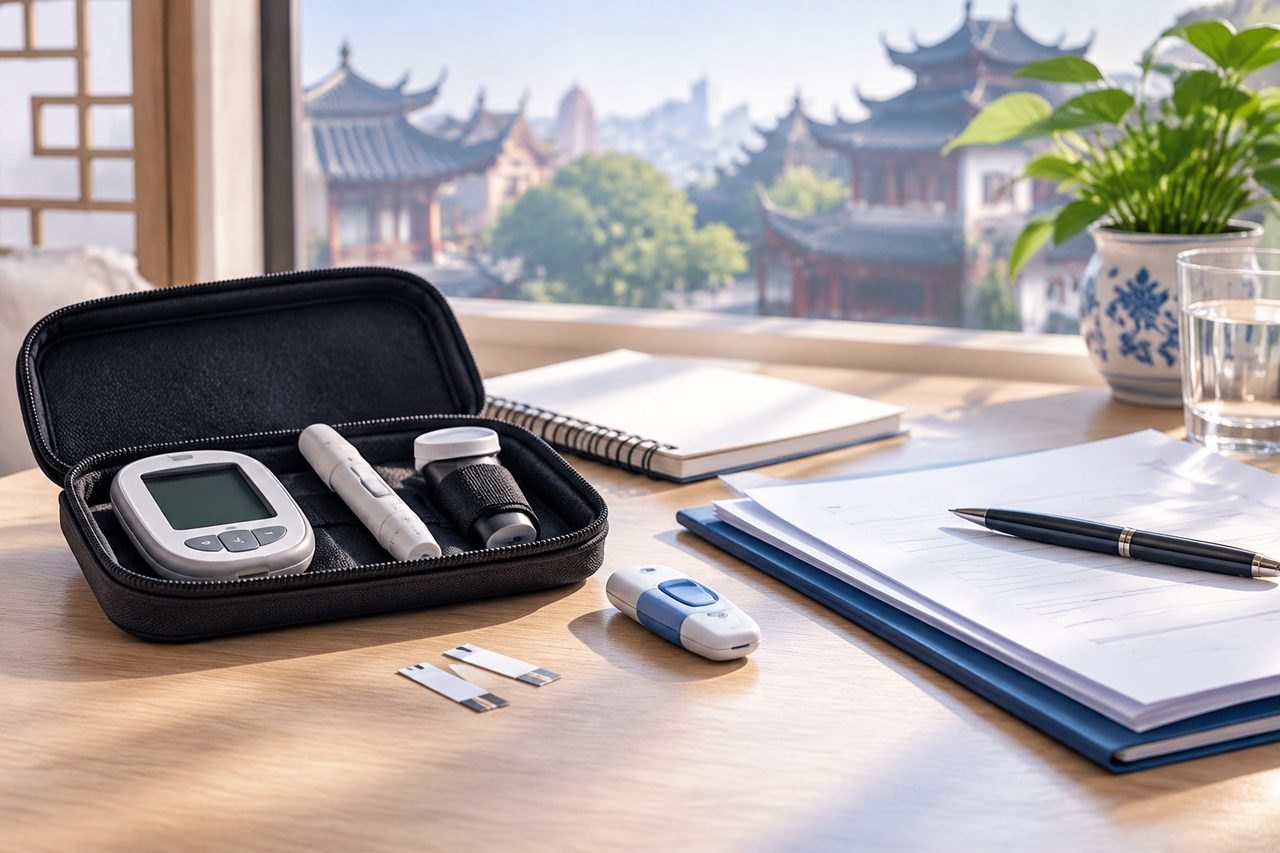
What to do when your insulin supply runs low in China: how to describe your regimen, who to contact, and what a hospital or clinician must confirm before any switch.

What a heart attack means, why emergency care comes first, and how international patients can prepare records for follow-up cardiology in China.

How wheelchair users can prepare for emergency care in China: what to carry, what to ask hospitals, and how coordination support fits in.

How a CT scan works in a Chinese emergency department, what the doctor needs from you, how to ask about contrast, radiation and results, and when to seek help.

Understand who issues and charges for a medical certificate in China, what a fit-to-fly note can and cannot confirm, and what to ask before you pay.

How to ask a Chinese hospital whether it can arrange or bill accommodation, what to confirm in writing, and how to keep hospital and hotel costs separate.

How overseas patients can approach payment schedules for treatment in China: who is paid, what a written quote should state, and what to confirm before sending funds.

Understand how hospital payment timing works in China, what to ask before treatment, how deposits and bills are handled, and where coordination fees fit.

How overseas patients can plan for a relative or friend to pay a Chinese hospital bill, what the hospital must confirm, and which records to prepare.

How overseas patients can plan hospital bill payment around Chinese public holidays, what to confirm with the hospital, and how coordination fees stay separate.

How international patients can approach hospital payment in China: confirm the payee, currency, reference details and written quote before sending funds.

What number to dial for an ambulance in China, what to say, what happens on arrival, and how to prepare before an emergency happens.

How ambulance services work in China: the 120 emergency number, what happens on scene, hospital choice, payment questions and limits for foreign visitors.

What shapes where a 120 ambulance takes a patient in China, when destination choice is limited, and how to prepare hospital details before an emergency.

How emergency transport works in China, why destination choice is limited, and what to confirm with the receiving hospital and insurer before you travel.

How private hospital emergency departments in China differ from public ones, what to confirm before relying on one, and how urgent symptoms should be handled.

How Chinese emergency departments sort patients by urgency, what drives waits, and what a foreign patient should prepare before arriving at an ER in China.

How emergency department triage works in Chinese hospitals, what patients should prepare, and which questions to ask the triage nurse and treating team.

How skin cancer checks work in China, what a dermatology assessment can and cannot confirm, which records to bring, and what to ask before travelling.

What an emergency department discharge in China should cover, which documents to keep, and what to confirm before leaving the hospital.

How dermatologists in China assess a mole, what dermoscopy adds, which records to bring, and the questions to ask before any removal is planned.

How international patients can find after-hours care in China, what to prepare before going, and which questions to ask about language, payment and records.

What spirometry and related lung function tests measure for smokers, how to prepare, what records to bring, and what to confirm before testing in China.

How thyroid ultrasound works in China, what your images and report should contain, and which questions to settle with the treating clinician before you travel.

How international patients can prepare emergency contact details, consent and communication preferences before hospital care in China, and what to confirm with the hospital.

What leaving a Chinese hospital against medical advice involves, the questions to ask before you decide, and how to keep your records and follow-up clear.

How consent for emergency treatment works in Chinese hospitals, what foreign patients and families can prepare, and which decisions the treating team must make.

What families should clarify before signing for a relative's treatment in China: adult consent, minors, incapacity, interpreters and written hospital rules.

Practical steps for a foreign patient already admitted to a Chinese hospital: consent, records, payment questions, discharge and when to involve a coordinator.

What an insurer hotline can and cannot do in a China medical emergency, how to prepare your policy details, and when to call local emergency services first.

How uninsured visitors can get emergency care in China: call 120, go to a hospital emergency department, keep records and ask about payment and billing.

How vitamin D testing works for international patients in China: what the blood test measures, how to prepare, what records to bring and what to confirm with the clinician.

Learn what tumor marker blood tests measure, why a result is not a diagnosis, and what records and questions help a clinician interpret them in China.

What a CA-125 blood test measures, why it is not a screening test on its own, and how to arrange and interpret one with a clinician in China.

How overseas patients arrange a PSA blood test in China: clinician ordering, what the result means, records to bring and questions to ask before travel.

What a CEA blood test measures, why it is not a cancer screening test on its own, and how to arrange and interpret one with clinicians in China.

What an AFP blood test measures, why results need context, and what to prepare before arranging the test or a specialist review in China.

What a liver function panel measures, how to read abnormal results, and what to confirm about testing and interpretation during care in China.

How a lipid panel works in China: fasting questions, records to bring, reading the report and what to confirm with the ordering clinician before you travel.

How overseas patients can plan autoimmune antibody testing in China: what to send, which clinician orders tests, and what results can and cannot confirm.

How a pathology re-read works in China: what slides, blocks and reports to send, what a second read can and cannot settle, and what to confirm first.

What a nutrition assessment in China involves, which records help, how dietitians and doctors divide the work, and what to confirm before you travel.

How overseas patients can ask a Chinese hospital to share results with their home doctor, what to arrange before tests, and what to confirm in writing.

What a pathology slide review before treatment in China can clarify, which slides and reports to send, and what the treating hospital must confirm.

What to assemble before a tumor board review in China: pathology material, imaging, treatment history and the questions that make a multidisciplinary opinion useful.

How overseas patients with chest pain should choose a department in China, what to prepare, and when emergency care must come before any appointment.

Which hospital department to approach for obesity in China, what each route assesses, and how to prepare records for a useful first appointment.

What China's grade 3A hospital tier actually tells an international patient, what it does not prove, and which questions to ask before choosing a hospital.

What an international department in a Chinese hospital does, how it differs from the general ward, and what to confirm before you plan treatment around it.

Learn what hospital accreditation and grading in China do and do not tell you, and which questions to ask before choosing a hospital for treatment.

Learn what Chinese hospital rankings measure, where they fall short for international patients, and which questions to ask when choosing a hospital for your condition.

Fatigue has no single department in China. Learn how symptoms and records guide the choice between general medicine, hematology, endocrinology and others.

What the Fudan specialty rankings measure, what they leave out, and how international patients should verify a hospital's fit for their own condition before travelling.

How overseas patients can choose a department for persistent fatigue in China, what records help triage, and which questions to ask before booking.

How international patients can check whether a Chinese hospital will bill their insurer directly, what documents to gather and which questions to ask before care.

Learn how international patients usually settle hospital bills in China, what to confirm about payment methods, deposits and receipts before treatment.

Anaemia is a finding, not a diagnosis. Learn which China department to start with, what records help triage, and what to confirm before travelling.

How overseas patients can prepare kidney records and request a nephrology referral to Zhongshan Hospital in Shanghai, and what the hospital must confirm.

How international patients can check whether a Chinese hospital's English-language service covers the consultation, consent, ward care and discharge they actually need.

What overseas patients should clarify before urology care at Renji Hospital in Shanghai, from records and department routing to written fee scope.

How overseas patients can approach fertility care at Renji Hospital in Shanghai: records, appointment questions, consent, costs and what the hospital must confirm.

How international patients can assess cancer hospitals in China: matching the specialty to the diagnosis, reading records, and questions to ask before enquiry.

How international patients can check a cardiac hospital in China: team experience, records review, language, costs and what the treating clinicians must confirm.

How overseas patients can choose between gastroenterology, general surgery, gynecology and emergency care for abdominal pain in China, and what to prepare.

How overseas patients can compare orthopaedic hospitals in China, read a written treatment plan, prepare imaging records and ask the right clinical questions.

How overseas patients can compare eye hospitals in China, prepare eye records and ask the right questions before travelling for assessment or surgery.

How overseas patients can compare dental hospitals in China, prepare records, ask about materials and follow-up, and request a records-based estimate.

How overseas patients can organise general surgery records and referral steps toward 301 Hospital in Beijing, and what only the hospital can confirm.

What international patients should ask about anesthesia at 301 Hospital in Beijing: records, pre-op assessment, language, consent and who leads the anesthesia plan.

How to read a Chinese hospital quote and invoice as an international patient: scope, itemised charges, deposits, receipts and what to confirm in writing.

What overseas patients should know before seeking sports medicine care at 301 Hospital in Beijing: records, appointment questions, costs and limits.

Learn which Chinese hospital department assesses acid reflux, what tests may be discussed, and how to prepare records for an overseas gastroenterology enquiry.

What international patients should confirm before neurosurgery at 301 Hospital in Beijing: records, clinician-led review, hospital acceptance and practical limits.

How overseas patients should approach emergency care at 301 Hospital in Beijing: what to do first, what to bring, and which access details to confirm directly.

How hospital-to-hospital transfers work in China for international patients: records, accepting teams, clinical stability, costs and questions to confirm.

How international patients can raise a hospital complaint in China: what to ask about the written process, records, language support and escalation.

Learn what a hospital deposit in China is for, how it differs from a final bill, and the questions to ask before paying one as an international patient.

How a records-based second-opinion report from a Chinese hospital is produced, what it can and cannot settle, and what to send and ask before relying on it.

What a records-based second-opinion report from a Chinese hospital can and cannot settle, what to send, and which questions to put to the reviewing team.

How to arrange follow-up with your home clinician after treatment in China: records to request, questions to settle before discharge and what to confirm.

How overseas patients can approach nuclear medicine at Union Hospital in China: referral, records, radiopharmaceutical questions and what to confirm first.

What clinical pharmacy involves, how overseas patients can request a medication review at Peking University Third Hospital, and which records and questions to prepare.

How overseas patients can ask about clinical pharmacy support at Union Hospital in China, what records help, and which access details the hospital must confirm.

How overseas patients can organise cardiac surgery records and referral steps toward Union Hospital in Wuhan, and what the treating team must confirm first.

What international patients should clarify before seeking blood disorder or blood cancer care at Union Hospital in China, from records to written scope.

How overseas patients can organise general surgery records and a referral enquiry for Tongji Hospital in China, and what only the hospital can confirm.

How international patients can approach insurance for hospital care in China: direct billing, reimbursement records, pre-authorisation and what to confirm in writing.

How foreign patients can approach hospital bills in China: registration, deposits, itemised statements, payment methods, receipts and what to confirm with each hospital.

How foreign patients can prepare to pay hospital bills in China: identity documents, payment methods, deposits, receipts and what to confirm with the hospital.

How to check whether your insurer covers a Chinese hospital, what to confirm about direct billing and reimbursement, and which documents to gather before you travel.

How pre-operative assessment works for surgery in China: records to gather, tests the hospital may request, consent, and questions to confirm before travel.

What international patients should confirm and collect on discharge day at a Chinese hospital, from medication instructions to records and follow-up.

What international patients should confirm on discharge day in a Chinese hospital: fitness to leave, records, medicines, bills, escort and follow-up.

How overseas patients can prepare for pre-anaesthetic assessment in China, what records to bring, and which questions the anaesthesia team must answer.

How laboratory tests work for overseas patients in China: ordering, sample collection, reports, language and what to confirm before relying on results.

What international patients should understand before signing a hospital consent form in China, how to use interpretation, and which questions to ask the treating team.

How international patients can prepare for surgical consent in China: translated forms, who signs, what to ask before sedation and how to record your decisions.

How overseas patients prepare for pre-anaesthetic assessment before surgery in China: records, medicines, questions for the anaesthetist and consent.

Plan admission day at a Chinese hospital: identity and payment documents, medication records, translated files, packing and what to confirm with the ward first.

How to confirm fasting instructions before surgery or sedation at a hospital in China, what to ask your anaesthesia team and how to prepare without guessing.

How to prepare records, images and questions for a specialist consultation in China, and what to confirm with the hospital before your visit.

How to confirm overnight caregiver arrangements at a Chinese hospital: ward rules, private rooms, companion support and what to ask before you book.

How department transfers work for international patients in China: who decides, what records move, consent, fees and what to confirm before agreeing.

How international patients can prepare an emergency contact for hospital care in China, which details to record and what to confirm with the hospital.

What a discharge summary from a Chinese hospital should contain, which parts to check before leaving, and how to get it translated for your home doctor.

How overseas patients can read a Chinese hospital discharge summary, check diagnoses, medicines and follow-up, and ask for clarification or translation.

How to plan follow-up after treatment in China: records to carry, who owns each decision, warning signs, and what to confirm with the treating team.

How overseas patients can ask a Chinese hospital for an English medical report, what to clarify about translation, scope and timing, and which records to request.

How international patients can approach a hospital deposit in China: who requests it, what to verify in writing, how to pay safely and what to confirm before sending money.

How to prepare and send medical records to a Chinese hospital before a visit: what to include, translation, imaging formats and what to confirm first.

Lost a passport, records or hospital paperwork in China? Learn what to report first, how to ask for copies and what only the hospital or authorities can confirm.

How to record a medicine's generic ingredient, strength and dosage form for a China customs enquiry, and what to confirm before you travel.

Plan follow-up after pleurectomy and decortication in China: what imaging and lung function records to gather, what to ask the surgical team, and how to arrange review.

Questions to settle before committing to tracheal resection in China: records, airway assessment, the surgical plan, alternatives, risks and written fee scope.

Which pathology, imaging and staging records can alter a radical cystectomy plan, what each one answers, and what the treating team must confirm before surgery.

Which records can change a urinary diversion plan in China, what each one shows, and what to ask the surgical team before a final decision.

What determines how long urinary diversion planning takes from overseas, which records and decisions drive the schedule, and what to confirm with the treating team.

What a first urinary diversion consultation in China should settle: the planned operation, stoma or pouch care, records to bring and questions to confirm.

What a second pathology review of colorectal cancer tissue can add before treatment in China, which slides and reports to send, and what clinicians must confirm.

What a second pathology review of breast cancer tissue can clarify before treatment in China, which slides and reports to send, and what the treating team must confirm.

Why a breast cancer plan may change after surgery, pathology or imaging, what each change means, and which records and questions help a China review.

Which scans and reports a Chinese lung cancer team needs for a records review, what images alone cannot show, and what to confirm before travelling.

What imaging a gastric cancer review needs, how staging scans differ from a new endoscopy, and how to prepare records for a specialist opinion in China.

Why a gastric cancer treatment plan may change, which records and tests inform the decision, and what to confirm before planning care in China.

Which scans and reports a prostate cancer review in China needs, what each imaging test shows, and what the treating urologist must confirm before travel.

Why pancreatic cancer plans change after staging, pathology review or response to treatment, and what to ask the tumour board before planning care in China.

What a prostate cancer pathology review can clarify before treatment in China, which slides and reports to send, and what the treating team must confirm.

Learn which test results, risk-group changes and patient priorities can alter prostate cancer treatment planning, and what to ask the treating team in China.

What imaging to gather for a kidney cancer review in China, how to share scans and reports, and which questions the treating urologist must answer.

Which scans a bladder cancer review needs, what your existing imaging and pathology should show, and what the treating urology team must confirm before travel.

What to clarify before pituitary tumor treatment in China: hormone results, imaging, vision, medicine review, treatment goal and what the hospital must confirm.

What a glioma expert review can clarify from imaging, pathology and molecular reports, what it cannot settle, and how to prepare records for a China enquiry.

What to bring and ask at a first knee osteoarthritis assessment, why X-rays come first, and how overseas patients can prepare records before care in China.

Which imaging helps a lumbar disc herniation review in China, why MRI and plain X-rays differ, and what records to gather before a specialist opinion.

How to plan activity, stent questions, records and follow-up after percutaneous nephrolithotomy in China, and what only your treating urologist can confirm.

How to plan hand therapy after replantation surgery in China: records, therapy goals, splint and sensation questions, and what the treating team must confirm.

How overseas cancer patients can prepare records and ask about referral to Peking University Cancer Hospital, and what only the treating team can confirm.

What to clarify before acoustic neuroma treatment in China: imaging and hearing records, treatment options, facial and hearing risks, and what the hospital must confirm.

What a glioma pathology review can clarify before treatment in China, which slides and reports to send, and what the treating team must confirm.

Which MRI and pathology records a glioma review needs, why imaging format matters, and what to confirm with the treating team before sending scans to China.

Plan rehabilitation after orthognathic surgery in China: what to ask the surgical and therapy teams, which records to share, and how to arrange follow-up.

How overseas patients can approach the orthodontics team at Wuhan University's stomatology hospital, what records to prepare and what to confirm first.

Prepare for a specialist review of ongoing hip pain after fracture repair: which records to gather, what to ask, and how to request a records-based opinion.

How to prepare a clear skin product and exposure list for contact dermatitis patch testing in China, and what the treating dermatologist must confirm.

What to send an ENT team reviewing hearing loss after ear surgery in China: operative notes, pre- and post-op audiograms, imaging and the questions to ask.

Prepare for a preoperative anaesthesia visit in China: what to tell the team about dentures, what to ask about removal, and what the hospital must confirm.

What to send a spine team when new leg pain, numbness or weakness appears after lumbar surgery, how each record helps, and what only the treating clinician can decide.

Learn what to record about hoarseness, pitch, loudness and vocal effort before a laryngology visit, and which records help the specialist assess your voice.

Taking an anticoagulant or antiplatelet and facing a lumbar puncture in China? Learn which records and clinician questions shape safe scheduling.

How to report an earlier reaction to iodinated or gadolinium contrast, what records to bring, and what to ask the radiology team before a scan in China.

Planning coeliac blood tests in China? Learn why gluten intake matters, what records to gather and what to ask the treating team before you travel.

How to record visual aura symptoms, timing and headache patterns for a neurology appointment in China, and what the treating team must confirm.

How to prepare a gout review in China: a dated flare log, an accurate current medicine list, and the questions that help a specialist assess control.

How to build a cycle and pain diary that helps a China endometriosis consultation: what to record, what to leave out and what to ask the treating team.

Learn why tinnitus that beats with your pulse needs prompt medical assessment, what records to gather, and how to plan a specialist review in China.

How to describe first-step heel pain for a plantar fasciitis review in China, what records help, and what the treating clinician must confirm.

How to prepare an inhaler and medicine list for a chronic cough assessment in China, what the clinician needs to know, and what to confirm before travel.

How to document scalp psoriasis treatments you have already used so a specialist in China can review your history, and what to confirm before travelling.

How to prepare prior B12 blood tests, treatment history and diet notes for a vitamin B12 deficiency review in China, and what the treating clinician must confirm.

How to describe recent changes in walking and sport with Achilles tendon pain before seeking care in China, and what a specialist needs to know.

How to prepare for a glaucoma follow-up in China and discuss drop irritation, stinging, redness and missed doses with the treating eye specialist.

How to log recurrent nosebleeds, medicines and first-aid response before an ENT review in China, and which questions to settle with the treating clinician.

How to prepare for an ingrown toenail foot assessment in China when you have diabetes: records, questions on glucose control and foot risk, and next steps.

How to describe which daily activities knee osteoarthritis has made difficult, what records help a Chinese orthopedic team, and what to confirm before travelling.

How to describe Morton's neuroma forefoot pain, explain footwear changes and prepare records for a specialist assessment in China.

Plan questions about a Baker's cyst in China: what imaging shows, how the underlying knee cause is assessed, and what to confirm before travelling.

Learn why gripping, lifting and wrist twisting provoke tennis elbow pain, how to track triggers, and what to ask a clinician before arranging care in China.

How to record eyelid symptoms, triggers and treatments before an eye visit in China, and what the ophthalmologist must confirm about causes and care.

How to prepare for a hiatus hernia consultation in China: describe reflux and swallowing symptoms, organise endoscopy records and ask about surgery.

What Fudan University Shanghai Cancer Center's thoracic surgery department documents on lung and esophageal teams, nodule research, honors and visit questions.

How to ask your clinical team about fertility and further treatment after testicular cancer surgery in China, and what records and questions to prepare.

How to prepare your current prescription history and prior reactions for a doctor in China, what records matter, and what only the treating clinician can confirm.

How Peking Union Medical College Hospital's gastroenterology department organises pancreaticobiliary endoscopy, IBD, early GI neoplasia and motility work for overseas enquiries.

Overseas OTC labels do not decide how a medicine is handled in China. Learn what to verify with a clinician or pharmacist before buying or bringing medicine.

A prescription photo can carry useful details, but it does not guarantee a valid local prescription in China. Learn what clinicians and pharmacists must confirm.

What to do if your medicine supply runs low during a China trip: how to prepare records, request a clinician review and confirm the lawful local route.

Lost your medication in China? Learn how to describe what remains, obtain original prescribing details and ask a clinician about the lawful next step.

How to plan care in China when your medicines were prescribed abroad, what to verify with clinicians and pharmacies, and why your original team stays informed.

What a pharmacist needs to assess before dispensing your medicine in China, and how to prepare brand, strength and formulation details for a clinician.

If your regular medicine may not be available in China, learn which questions to ask your prescribing clinician and how to prepare records before you travel.

If a Chinese pharmacy cannot supply your medicine, ask why and return to a qualified clinician or pharmacist. Learn what to verify before considering any change.

How to confirm the individual dispensing route and pharmacist review after a prescription in China, without assuming one hospital billing rule applies.

How to send existing digestive assessment results to a China hospital for confirmation, so the receiving clinician decides what is still needed.

Planning a longer stay in China with regular medicines? Learn how to arrange clinician-led prescription review and what to confirm before you travel.

Why the exact drug name, strength and release form matter when refilling a prescription in China, and what records to prepare before you ask a clinician.

What to ask your clinician and pharmacist in China for written medicine instructions, how to confirm language and follow-up, and what a reply does not confirm.

How to share your current medicine list with a China hospital care team, what to ask about visit preparation, and what only the clinician and pharmacist can confirm.

How to document drug allergies and past reactions for a China hospital, what your list should contain, and what only the treating clinician can confirm.

Lost access to your medicine in China? Learn how to identify it, arrange qualified assessment, and confirm the lawful route without delaying urgent care.

What an overseas patient should keep from a medicine purchase in China, how to read the prescription record, and what the treating clinician must confirm.

If a clinician in China proposes a different brand of your medicine, these questions help you check the prescription, the pharmacy review and what is actually being changed.

A foreign prescription is not automatic authority to dispense in China. Learn what the treating clinician and pharmacy must confirm before you rely on it.

How West China Hospital's neurosurgery department organises skull-base, glioma, vascular, functional and peripheral-nerve work, and what overseas patients should ask.

Your usual medicine brand is unavailable. Learn which checks and questions help you and your clinician plan care in China without changing treatment yourself.

How West China Hospital's ENT department organises ear and hearing, rhinology and allergy, throat and voice, and head-neck tumour work, and what to ask before referral.

What Nanfang Hospital's gastroenterology department in Guangzhou documents on endoscopic early GI lesion work, IBD care, research directions and dated team roles.

How to send previous hearing test results to a Chinese hospital for clinician confirmation, what to keep, and what to ask before any repeat test is ordered.

Which missing pathology, biomarker or treatment records can leave an NSCLC plan unclear in China, and what to ask the treating team to confirm.

Planning a liver health assessment in China? Learn how to confirm whether English in-person interpretation and a written English report are provided.

How to send prior cardiovascular results to a China checkup team for confirmation, so the clinician decides what to repeat rather than you deleting tests.

Leaving China before your whole-body MRI report? Agree in writing who explains it, who receives it and how follow-up questions are handled.

Missing records can leave the treating team unable to answer whether an operation is feasible, what tissue was removed, or what follow-up is needed. Learn what to ask.

How to discuss cancer control and function goals with your prostate cancer team in China, and what records and questions to prepare before a treatment decision.

Which gaps in molecular diagnosis, serial MRI history or prior treatment records can leave a low-grade glioma question unanswered before care in China.

Planning genetic counselling in China? Learn how family history is organised, what records to prepare and what to confirm in writing before you travel.

How Peking University First Hospital's urology department separates upper-tract reconstruction from urologic cancer care, and what overseas patients should ask before referral.

Oligodendroglioma questions that need in-person assessment in China, what the treating team must confirm, and how to prepare records for care.

Planning colorectal cancer follow-up in China? Learn what records to bring, what to ask the treating team and how to arrange continuity of care.

Learn how to write a clear purpose and personal background for a bone health assessment enquiry in China, so the hospital can confirm scope and next steps.

Head and neck tumor surgery in China can remove a confirmed tumor, but pathology, staging and function shape what it can address and what it cannot.

Separate personal goals from what clinicians can assess for colorectal cancer care in China, using pathology, staging and multidisciplinary review.

What Zhongshan Hospital cardiac surgery is documented for: valve and aortic teams, robotic coronary work, perioperative kidney research and questions to ask.

Understand Fuwai Hospital coronary, cardiometabolic and heart-failure teams, their leaders and research, and questions before an overseas assessment.

What overseas patients should know about Peking University People's Hospital hematology teams, research directions and how clinical assessment differs from research.

What Beijing Tiantan Hospital's neurosurgery center covers, who leads it, and how its research directions shape the questions overseas patients should ask.

How the Cancer Hospital CAMS thoracic surgery team works on lung, esophageal and mediastinal cancer, and what an overseas patient should ask before a resection review.

How Peking University School of Stomatology's oral and maxillofacial teams, prosthodontics and digital dentistry shape the questions overseas patients should ask.

How Zhongshan Ophthalmic Center in Guangzhou organises cataract and glaucoma care, which specialists lead those areas, and what overseas patients should confirm.

What Shanghai Ninth Hospital's plastic and reconstructive surgery department is known for, its documented teams, research directions and questions to ask.

How Tianjin's CAMS blood diseases hospital organises leukemia, MDS/MPN, pediatric and thrombosis care, and which questions overseas patients should ask first.

How West China Hospital's gastroenterology teams divide liver, pancreatobiliary, IBD and endoscopy work, and what overseas patients should ask before referral.

How West China Hospital's cardiac surgery department works on valve and aortic disease, who leads its teams, and what overseas patients should confirm first.

How West China Hospital's cardiology department organises valve, rhythm and heart-failure work, who leads each direction, and what overseas patients should ask.

How Nanfang Hospital's plastic surgery department approaches hair transplant and fat grafting, which clinicians and researchers are documented, and what to confirm.

How Beijing Anzhen Hospital's arrhythmia and heart-failure teams are organised, who leads them, what their research addresses and what overseas patients should ask.

What Ruijin hematology research covers in leukemia, lymphoma and myeloma, who leads it, and which questions an overseas patient should confirm first.

How Fudan Eye and ENT Hospital's ophthalmology teams approach myopia, glaucoma and high-myopia cataract, and what overseas patients should ask before referral.

How Fudan University Shanghai Cancer Center's breast and unknown-primary cancer teams work, who leads them, and what their research means for patients.

Planning oligodendroglioma follow-up in China? See which IDH and 1p/19q records to gather and what to ask about handover before a records-based enquiry.

Which missing pancreatic cancer records can leave a China case review unable to answer key questions, and how to clarify the gap with the treating team.

An unexpected cholesterol result from testing in China needs a named clinician to explain it and a written plan for what follows. Here is how to arrange that.

How to organise prostate assessment reports, imaging and recommendations from China so your doctor at home receives a complete, usable handover.

An unexpected pre-surgery finding in China is explained by the treating hospital, not a coordinator. Learn who to ask and what to request in writing.

How to confirm who will interpret your hearing check in China, what the written report covers, and what to ask before you book.

An unexpected thyroid finding raises a practical question: who explains it, who arranges the next step, and what should you ask before you travel to China?

How to organise hearing test results, imaging and recommendations from a China checkup so your doctor at home can review them without gaps.

How to organise thyroid assessment results, imaging and recommendations from China so your doctor at home receives a complete, usable handover.

Prepare for a diabetes health review in China by clarifying which previous results to send, what to ask the provider, and how to organise your records.

How overseas patients can confirm ongoing diabetes specialist care in China: records, written scope, named responsibility and appointment planning.

Planning elective surgery in China? Clarify which existing records the hospital needs, what identifiers matter, and confirm the scope in writing.

How to organise dental check findings, images and recommendations from China so your dentist at home can review them without gaps or missing files.

How previous chest imaging is used in a lung health assessment in China: what to send, how to label it, and what to confirm with the provider in writing.

How to use a treatment summary for a post-treatment health review in China: what to include, who writes it, and what to confirm before booking.

Leaving China before your review report is ready? Agree in writing who receives and explains it, and who contacts the hospital if questions arise.

How to state your purpose and personal background clearly when arranging a prostate health assessment in China, so the clinician can respond usefully.

Planning a digestive health assessment in China? Learn what to confirm about in-person English interpretation and written reports before you book.

Planning a blood pressure assessment in China? Learn how to confirm English spoken interpretation and a written report with the hospital before you book.

How an existing diabetes diagnosis shapes a health review enquiry in China: what records to send, what to ask the provider and what to confirm in writing.

Planning a lung health assessment in China? Learn what to confirm about in-person English interpretation, written report language and who provides each.

How to send your existing thyroid results to a China hospital for review, ask what is missing, and avoid repeating tests you already have.

Planning a whole-body MRI in China? Learn what to clarify about incidental findings, who reviews them, and what to confirm in writing before you travel.

How to state a clear purpose and personal background for genetic counselling in China, so the clinician can confirm scope, records and next steps.

Hand over whole-body MRI results from China to your home doctor with clear records, images and written scope for a smooth review.

Before a bone health assessment in China, clarify which clinical risk history details the receiving team needs and how to share them accurately.

Learn how to send bone health assessment results, imaging and recommendations from a China checkup to your home doctor, with identifiers and written scope.

Hand over diabetes review results from China to your home doctor: records, identifiers, written recommendations and the format your practice can accept.

Send existing genetic reports to a China clinician for confirmation, not deletion or repeat testing, with identifiers and written scope.

Leaving China before your genetic counselling report is ready? Confirm in writing who will explain and send it, and how follow-up questions are handled.

Send all prior test results to your China surgical team for review, labelled with date, facility and test name, and ask in writing which tests they accept.

How overseas patients can organise home blood pressure readings for a China assessment, what identifiers to include and what to confirm in writing.

Leaving China before liver assessment reports arrive? Agree in writing who receives and explains them, and who follows up, before you depart.

How previous PSA results are handled when planning a prostate health assessment in China, what records to prepare and what to confirm with the provider.

Plan a diabetes health review in China and agree in writing who explains results, who sends records and how follow-up works after you leave.

Travelling to China with ADHD medicine? Identify the exact active ingredient and formulation, then ask Chinese customs about its category and documents.

Planning health checks before elective surgery in China? Learn how to state your purpose, share your history and ask the clinician what tests you need.

How to submit your existing diabetes results for clinician confirmation in China, so a health review builds on your records instead of repeating tests.

If your blood pressure assessment report is ready after you leave China, here is who explains it, who you contact, and how to arrange follow-up.

Learn which DICOM files and reports to send for a China hospital review, how to export them correctly, and what to confirm before sharing records.

Send your previous eye test results to the clinician in China for confirmation, so you can avoid unnecessary repeat tests and keep your checkup focused.

Planning a bone health assessment in China? Learn how to present previous bone-density results, what to ask the provider and how to prepare records.

How to send existing prostate test results to a Chinese hospital for review, so the clinician decides which tests are needed and which are not.

Plan a cardiovascular health check in China and arrange clear result handover to your doctor at home, with records, reports and questions to confirm.

Build a dated medication list a new specialist in China can use, covering current and stopped medicines, format and language questions, and safe sharing.

How to verify hospital partnership claims before choosing care in China: what to ask for in writing, who confirms what, and how to compare claims fairly.

How to plan a lung health assessment in China and share the results, images and recommendations with your doctor at home.

How to compare two surgical recommendations for care in China: align the exact procedure, records and questions, then ask the hospital what it can confirm.

A written China specialist opinion can clarify records and options, but it cannot confirm hospital acceptance, final diagnosis or treatment eligibility in advance.

Planning a whole-body MRI enquiry in China? Confirm protocol details, separate screening from diagnostic scans, and know what to send first.

Incomplete or contradictory records before a China specialist review: what the clinician can conclude and how to prepare a clearer file for the team.

Planning a whole-body MRI enquiry in China? Learn what to confirm about English interpretation, written reports, scope and who decides suitability.

How to send prior whole-body MRI results for a China checkup enquiry so the hospital clinician decides whether any repeat imaging is actually needed.

If your digestive assessment report arrives after you leave China, here is who explains it, how to arrange contact, and what to confirm before departure.

How to plan a post-treatment health review in China and hand the results, imaging and recommendations to your doctor at home without gaps.

What a genetic counselling package price covers in China, which additional charges may appear, and how to get a written scope before you commit.

How previous kidney results can be used in a China health assessment, what to prepare, and which questions to confirm with the hospital before you travel.

Send existing kidney reports to a Chinese hospital, ask the clinician to confirm which tests remain valid, and avoid unnecessary repeat testing.

A practical guide to the records, questions and practical items that help an overseas patient prepare for a first specialist visit in China.

Plan a hearing check in China when you leave before results are ready. Decide who explains the report, who sends it and how follow-up is arranged.

Planning a specialist review in China? Learn how scan and test timing is judged, what records to send, and what to confirm with the receiving hospital.

Preparing a whole-body MRI enquiry in China? Learn how to state your purpose, history and questions so a clinician can decide if the scan is suitable.

Organise years of records into a dated timeline and clear question list before a China specialist review, and know what the clinician must still confirm.

Yes, airport pickup can be arranged for a medical visit to China. Confirm the driver, journey and cost as part of your arrival support before you book.

How previous thyroid results fit into a health assessment in China, what to send before an appointment, and which questions to ask the provider.

Plan who explains your lung health assessment report after leaving China, what to confirm before departure, and how to share results with your doctor at home.

Check a China medical coordination fee in writing: separate it from hospital charges, name optional services, and confirm what you authorise before paying.

How to prepare clear questions for a hearing check in China, so the clinician knows your symptoms, history and what you need from the appointment.

Planning a thyroid health assessment in China? Learn what to confirm about English interpretation, written reports and how your records are shared.

How to describe personal medicines to China customs truthfully, present existing documents, and confirm controlled-medicine questions with the arrival port.

Bringing a relative's medicine to China? Learn why personal-use and controlled medicines differ, what to confirm with customs, and how to prepare records.

How to prepare clear goals and personal background for a post-treatment health review in China, and what to confirm with the clinician before booking.

Leaving China before your eye check report is ready? Agree in writing who explains it, how it reaches you and who to contact with follow-up questions.

Planning a skin check in China? Learn how to separate routine screening, follow-up of an existing skin condition and symptom assessment before you enquire.

Arrange who explains your kidney assessment report after leaving China, how interpretation and follow-up work, and what to confirm before you book.

Submit previous results for a post-treatment health review in China and let the clinician decide which tests are needed, avoiding repeat or deleted tests.

How to send existing dental records to a Chinese clinic for review, so a clinician decides what is needed instead of you deleting tests or repeating them.

Plan a liver health assessment in China and prepare a clear record package your own doctor can review at home, with practical steps for sharing results.

Planning a liver health assessment in China? Learn how to state your purpose and background clearly, and what to confirm with the hospital before you book.

If your flight to China changes, recheck arrival-port customs rules and transit-country or airline rules separately for your personal medicines.

If your cholesterol test report is ready after you leave China, decide who explains it, who sends it and what to confirm before you travel home.

Planning health checks before elective surgery in China? Learn which preparation instructions to request, what to confirm in writing, and how to prepare records.

How to arrange cholesterol testing in China and hand the results, imaging and recommendations back to your own doctor at home without gaps.

How to submit previous bone health results for clinician confirmation in China, so you avoid unnecessary repeat tests and keep your records intact.

Cholesterol testing in China: confirm in writing whether English interpretation and a written report are provided, as availability depends on the hospital.

How to collect, translate and hand over digestive health assessment results from China to your home doctor, and what to confirm before you travel.

How to assemble a cardiology records set for review in China: which reports matter, how to organise them, and what to ask the clinical team to confirm.