Why the Surgical Approach Is a Clinical Decision
Nephrectomy is surgery to remove a kidney. It can be performed for cancer or other serious kidney problems. When a surgeon recommends removing the whole kidney, the choice of approach is not simply a matter of patient preference. It depends on the size and position of the tumour, whether it has grown into nearby veins or structures, previous abdominal surgery, body habitus, and the condition of the remaining kidney.
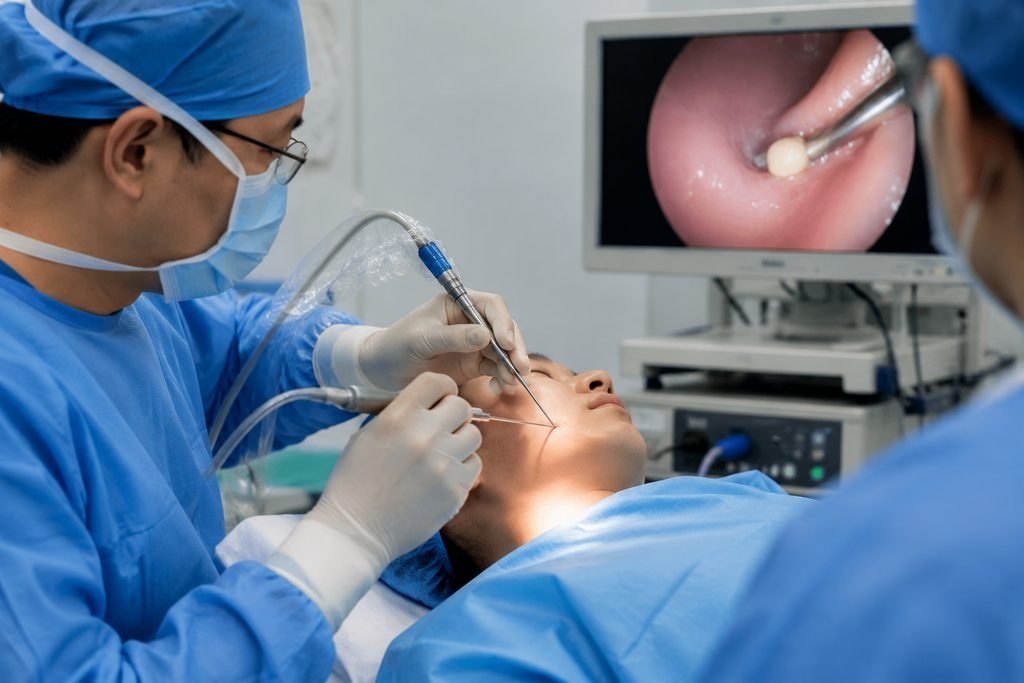
Open nephrectomy uses a single larger incision. Laparoscopic nephrectomy uses several small incisions and a camera. Robot-assisted nephrectomy is a form of minimally invasive surgery in which the surgeon controls instruments through small ports. Each approach has different implications for pain, hospital stay and the surgeon's ability to see and handle the kidney. None is automatically better for every patient.
For an overseas patient, the practical question is not which approach sounds most modern. It is whether the proposed approach gives the surgical team safe access to the kidney and the surrounding tissue while preserving as much kidney function as possible. That is a judgement the operating surgeon makes after reviewing imaging and the patient's overall health.
If you are seeking care in China, you can ask the hospital to explain which approach it recommends and why. You can also ask what would change that recommendation. A clear answer to those two questions is more useful than comparing technique names alone.
Tumour Staging and What It Means for the Operation
Before a surgical approach is chosen, the treating team needs to understand the extent of the disease. Staging describes how far a tumour has grown and whether it has spread. For kidney cancer, staging usually involves imaging such as CT or MRI, and sometimes additional scans. The stage influences whether surgery is the right first step, what type of operation is possible, and whether other treatments should be discussed.
A tumour that is confined to the kidney may be suitable for partial nephrectomy, which removes only the tumour and preserves the rest of the kidney. A larger or more centrally located tumour may require radical nephrectomy, which removes the whole kidney. If the tumour extends into the renal vein or inferior vena cava, the surgical approach and the team involved may need to change.
This is why the question 'Can I have laparoscopic surgery?' cannot be answered before staging is complete. The surgeon needs to see the imaging, understand the pathology if a biopsy has been done, and assess how the tumour relates to major blood vessels. In some cases, the planned approach may be adjusted during the operation if the findings differ from what the scans suggested.
For patients travelling to China, it is reasonable to ask how the hospital will confirm the stage before surgery and whether any additional imaging will be needed on arrival. Ask who will review the scans and whether a multidisciplinary team will discuss the case. These are administrative and clinical questions that the hospital can answer directly.
Assessing the Remaining Kidney Function
When one kidney is removed, the other kidney takes over its work. Most people can live with one kidney, but the safety of removing a kidney depends on how well the remaining kidney functions and whether the patient has other conditions that affect kidney health, such as diabetes or high blood pressure.
Before surgery, the treating team typically assesses kidney function with blood tests, urine tests and sometimes a scan that measures how much each kidney contributes. This information helps the surgeon decide whether whole-kidney removal is safe or whether preserving kidney tissue is a priority. It also helps the anaesthesia team plan for the operation.
If you have existing kidney disease, a single kidney, or conditions that affect kidney function, tell the hospital before any treatment decision is made. Bring recent blood test results, imaging reports and a list of your current medicines. Do not stop or change any medicine on your own; ask the prescribing clinician how it should be managed around surgery.
The hospital should explain how it will monitor your kidney function after surgery and what follow-up tests it recommends. The specific schedule is a clinical decision for your treating team, not a fixed rule that applies to everyone.
Open, Laparoscopic or Robot-Assisted: What to Ask
Each surgical approach has trade-offs. Open surgery gives the surgeon direct access and may be preferred for large tumours or those involving major vessels. Laparoscopic and robot-assisted surgery may involve smaller incisions and different recovery experiences, but they require appropriate expertise and may not be suitable for every tumour.
Rather than asking which approach is best in general, ask how it applies to your case. Useful questions include: Which approach do you recommend for my tumour, and why? What are the alternatives? What are the risks of each option for me? How many of these operations does the surgical team perform? What would make you convert from a minimally invasive approach to open surgery?
You can also ask about the anaesthesia plan, expected pain management, and how soon you will be encouraged to move after surgery. These details affect your preparation and your expectations, but the answers must come from the treating team.
If you are comparing hospitals in China, ask each one the same set of questions. A hospital that gives clear, case-specific answers is easier to work with than one that offers only general statements. You do not need to choose a hospital before you have enough information to understand the recommendation.
Pathology, Follow-Up and Surveillance After Kidney Removal
After the kidney is removed, a pathologist examines the tissue to confirm the diagnosis, the tumour type and whether the cancer has been completely removed. This report guides the next steps, including whether any additional treatment or surveillance is needed.
Ask the hospital how the pathology report will be shared with you, whether it will be available in English, and who will explain the findings. If you return home, you will need a clear written summary and copies of imaging and pathology reports for your local doctors. Ask how long this documentation typically takes and whether it can be sent electronically.
Follow-up after kidney removal may include regular imaging and blood tests. The schedule depends on the tumour type, stage and your overall health. Your treating team should explain what surveillance it recommends and how it will coordinate with your doctors at home.
If you are considering surgery in China, ask whether the hospital can provide a written follow-up plan before you leave. This helps your local clinician continue your care without gaps.
Preparing Your Records and Your Next Step
A productive discussion about surgical approach starts with complete records. Gather your imaging discs and reports, pathology reports if a biopsy has been done, recent blood tests including kidney function, a list of current medicines, and a summary of your medical history. If your records are not in English, ask whether the hospital needs a certified translation.
You can share a brief summary with ChinaSpecialistCare through the enquiry form, email or WhatsApp. The initial case review is free and non-clinical: it checks what information is available, identifies what may be missing, and suggests the relevant next step. It is not a diagnosis or a promise of hospital acceptance.
If you want a records-based opinion before travelling, a proxy consultation is optional and can be arranged. The hospital itself decides whether to accept your case and which surgical approach is suitable. No coordinator can make that decision.
For more detail on the procedure, see the related treatment reference linked below. When you are ready, start with a short summary rather than a full medical archive. The team will explain how to share records after first contact.
Sources & scope of this guide
References and official service information relevant to this guide.
This is general planning information and has not been individually reviewed by a doctor. Medical decisions and personal treatment advice come from your treating clinicians.