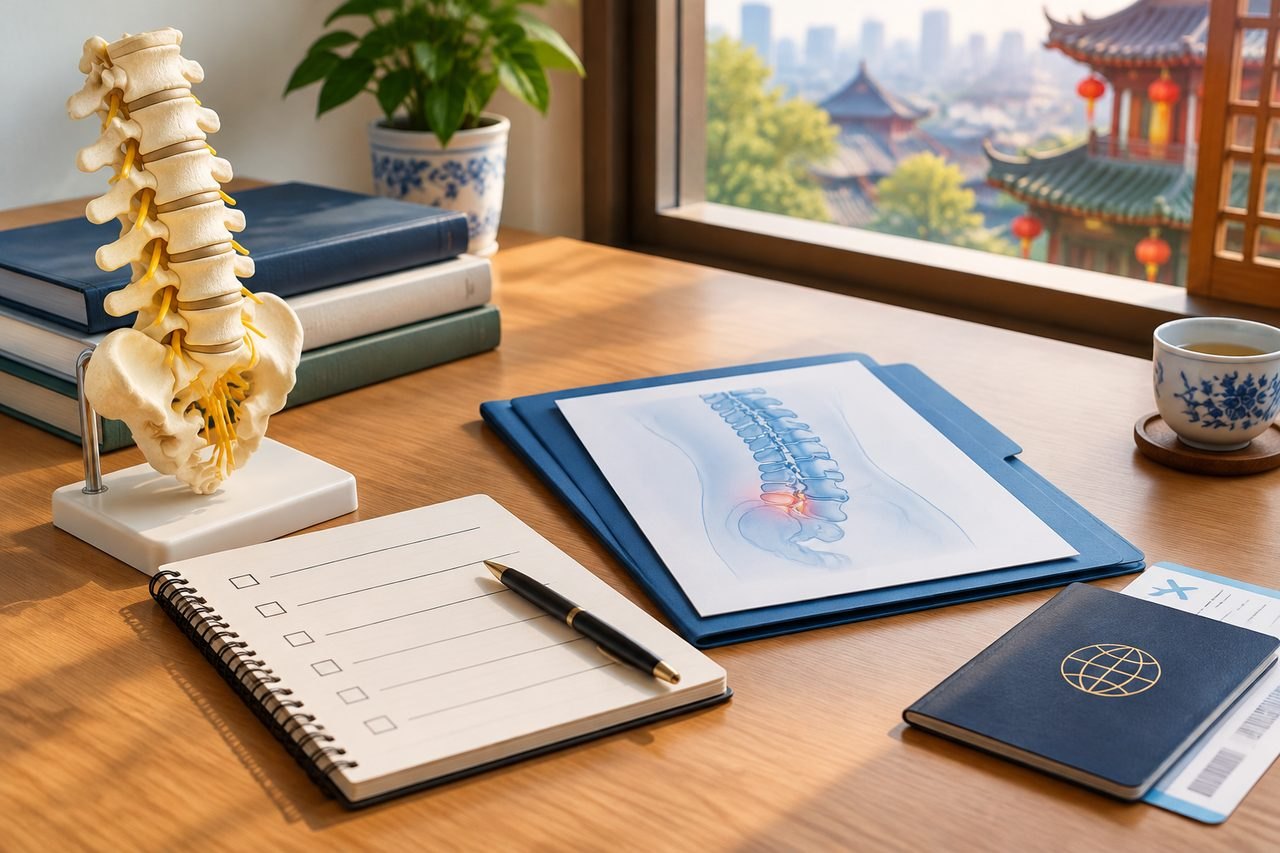
Start with the levels, not the label
The phrase lumbar decompression covers several operations. A surgeon may remove part of the lamina, trim bone spurs, or open the space around a nerve root. The exact target is a spinal level, sometimes more than one, and that level should be named in your records and in the discussion. If you are told only that you need decompression, you do not yet have enough information to compare risks or alternatives.
Ask the clinical team to point to the imaging and explain which level or levels show compression that matches your symptoms. Nerve compression can appear on a scan without causing the pain, numbness or weakness you feel, so the link between image and symptom matters. A level that looks narrow but does not explain your leg symptoms may not be the level that would be operated on. This is a clinical judgement, and you are entitled to hear the reasoning.
The number of levels changes the operation. One level is a smaller procedure than two or three. More levels can mean longer anaesthesia, more tissue handling and a different recovery pattern. None of that tells you whether surgery is right for you, but it does tell you what you are being asked to consent to. Write the level numbers down and repeat them back to the surgeon. If the answer changes between appointments, ask why.
This is also where you separate decompression from fusion. They are different operations with different purposes. Decompression removes pressure; fusion joins vertebrae to stop movement. A surgeon may propose one, the other, or both, and the reason should be stated. If fusion is mentioned, ask what it adds in your case and what it changes about risks and recovery. Do not assume the two are interchangeable.
Ask what alternatives are realistic for you
Alternatives are not a single list that applies to everyone. They depend on your symptoms, how long you have had them, what has already been tried, your other health conditions and the findings on imaging. A useful question is not "what are the alternatives?" in general, but "given my levels and symptoms, what would you do if I chose not to have surgery now?"
Non-surgical options may include structured physiotherapy, pain management, activity adjustment or watchful waiting. Whether any of these is appropriate is a clinical decision, and the receiving physiotherapist or pain clinician makes their own assessment. You can ask what non-surgical route the team would recommend, how long they would expect to try it, and what change in symptoms would make them reconsider surgery. Those answers give you a real choice rather than a formality.
If surgery is proposed, ask whether a smaller operation could achieve the same goal. Some decompressions can be done through a smaller exposure or with minimally invasive techniques. Whether that is suitable depends on the level, the anatomy and the surgeon's assessment. Ask directly: "Is a less extensive operation an option for my levels, and what would I gain or give up?"
You should also ask what happens if you wait. Some nerve problems are stable for a long time; others worsen. The team should tell you which symptoms would mean you need to act sooner, and which would mean you can reasonably continue non-surgical care. That is not a guarantee about your outcome. It is a plan for the decision in front of you.
Make the risk conversation specific
General risk figures for lumbar decompression describe groups of patients, not you. A surgeon who knows your history can talk about the risks that matter in your case: infection, bleeding, blood clots, nerve injury, incomplete relief, recurrence of symptoms, and the risks of anaesthesia. Ask which of these are most relevant given your age, other conditions and the levels involved.
Ask how the team would recognise and manage a complication. For example, what monitoring is planned after surgery, who would review you if a new symptom appeared, and how you would contact the team. You do not need to memorise a list. You need to know that a plan exists and who is responsible for it.
One risk deserves a separate question: new or worsening neurological symptoms. If you develop severe weakness, loss of bladder or bowel control, or numbness in the saddle area, that needs prompt local assessment, not overseas planning. Ask the team what symptoms should make you seek urgent care and where to go. This is a safety instruction, not a reason to avoid surgery.
Finally, ask what the operation is expected to change and what it is not expected to change. Decompression aims to relieve pressure on nerves, but not all back pain resolves after surgery. If your main problem is back pain rather than leg symptoms, say so and ask how the proposed operation addresses it. A clear answer helps you weigh the decision.
Mobility, discharge and later reviews
How you move after surgery affects your day-to-day experience and your travel plans. Ask when you would be expected to get out of bed, what help you would need, and what movements or lifting you should avoid. The treating team gives these instructions; they depend on the operation and on you. Do not rely on a general recovery timeline from a website, including this one.
Discharge planning is part of the consent discussion. Ask where you would go after leaving hospital, what support you would need, and whether the team has any requirements about not being alone. If you are travelling from another country, ask how follow-up would be arranged once you return home, and what records the team would send with you.
Later reviews matter because symptoms can change. Ask when the first review would be, what would be checked, and how imaging or clinical notes would be shared with your doctors at home. If the plan includes physiotherapy, ask who would provide it and how the physiotherapist would assess you independently.
For an overseas patient, these questions also shape practical arrangements. You may need to know how long you would stay near the hospital before travelling, but the answer is clinical and individual. Ask the treating team, not a booking agent, what they advise for your situation. A coordinator can help you plan around that advice; they cannot decide it.
What to send and what to ask before you travel
A useful first step is a short summary, not a complete archive. Include your main symptom, how long you have had it, what treatment you have tried, and your question. After first contact, the team can tell you which records would help: imaging reports, the images themselves if available, clinic letters, and any test results relevant to your spine. Do not send passport numbers or payment details at this stage.
When you speak with a surgeon in China, ask the same core questions you would ask anywhere. Which levels need treatment? Is another procedure proposed instead of, or in addition to, decompression? What are the specific risks for me? What alternatives are realistic? How would mobility, discharge and later reviews be planned? You can ask for the answers in writing so you can review them calmly.
You may also want a records-based opinion before deciding whether to travel. That is optional. A proxy consultation is not a prerequisite for an appointment or an operation, and an initial enquiry does not require buying one. The hospital decides whether you are suitable for assessment or treatment; no coordinator can promise acceptance.
If you are comparing options in China, ask how the written estimate and treatment plan are structured for your case. Costs, ward options and coordination fees are separate matters, and the named provider should explain what its quote includes. This article does not quote prices because they depend on the hospital, the levels treated and your clinical situation.
The practical next step is to prepare your questions and a brief summary, then ask the relevant hospital or coordination team to clarify the points above. You can start with a free initial enquiry through the website. Keep local care in place for any urgent or worsening symptoms while you gather information.
Sources & scope of this guide
References and official service information relevant to this guide.
This is general planning information and has not been individually reviewed by a doctor. Medical decisions and personal treatment advice come from your treating clinicians.