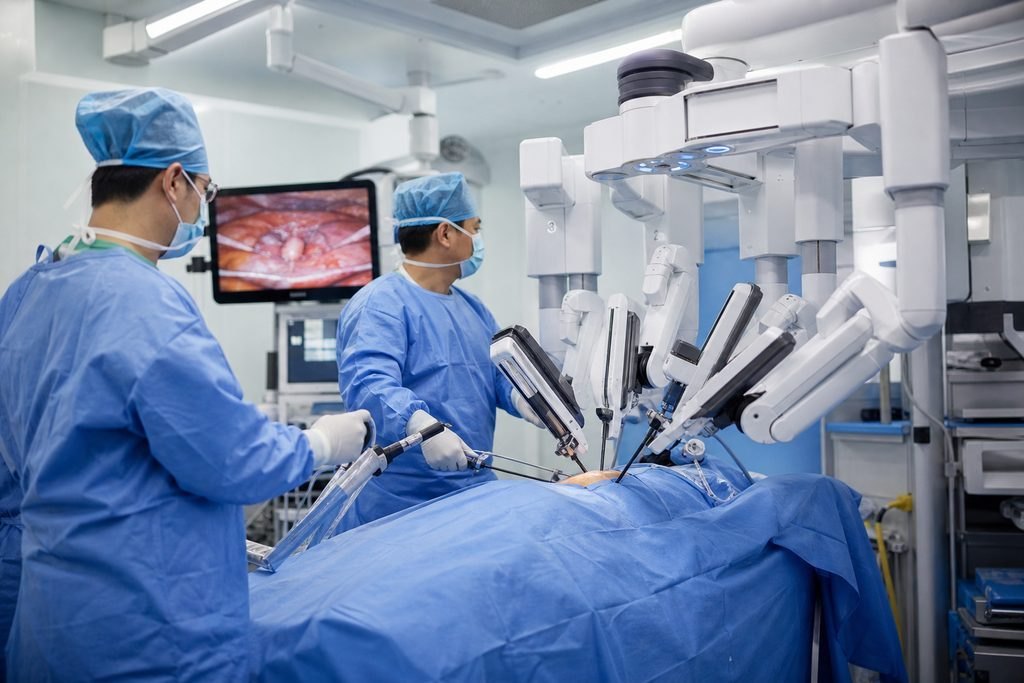
What a Lobectomy Is Designed to Address
A lung lobectomy is an operation that removes one lobe of a lung. It is different from removal of an entire lung, which is called a pneumonectomy. That distinction matters because the amount of lung tissue removed affects what the operation can achieve and what it cannot.
The operation is usually proposed when a problem is confined to a single lobe. That problem might be a tumour, a damaged or non-functioning area, or another condition that the treating team judges is best managed by removing that lobe. The purpose is local: to remove the diseased lobe and, where relevant, to remove the tissue that contains the problem.
What the operation cannot do is equally important. Removing a lobe does not restore lung tissue that has already been lost to disease elsewhere. It does not treat disease in other lobes, in the opposite lung, in lymph nodes outside the removed area, or in distant organs. If a cancer has already spread beyond the lobe, removing the lobe alone does not address that spread. This is why staging and pathology review come before any decision about operation scope.
A lobectomy also cannot guarantee a cure. Even when the whole visible tumour is removed, microscopic disease may remain, and further treatment such as chemotherapy, radiotherapy, targeted therapy or immunotherapy may be recommended. Whether that applies to you is a clinical decision based on your pathology and staging, not something an enquiry can settle.
Why Imaging and Pathology Define the Operation
The operation scope is not decided from a single scan or a single report. Chest imaging shows where the problem is, how large it is, and whether it involves structures near the lobe. Pathology shows what the tissue actually is. Together they tell the treating team whether a lobectomy is the right operation, whether a smaller or larger removal is more appropriate, and whether other treatment should come first.
This is why the same word, lobectomy, can describe different operations for different patients. One patient may need only the lobe removed. Another may need the lobe plus nearby lymph nodes sampled or removed. Another may be offered a segmentectomy, which removes less than a lobe, or a sleeve lobectomy, which removes the lobe and part of an airway. These are not interchangeable, and the choice depends on your own imaging and pathology.
If your records are incomplete, the treating team cannot confirm which operation fits. Missing items might include the most recent chest imaging, the pathology report from any biopsy, and any previous treatment records. You do not need to send everything at once. A short summary of the diagnosis and your main question is enough to start, and the team can tell you what else is needed.
It is also worth asking how the proposed operation would be sequenced with any further treatment. For some patients, surgery comes first and further treatment follows. For others, treatment before surgery is planned to shrink a tumour or address disease that is not yet removable. The order is a clinical decision, and it should be explained to you in writing before you commit to travel.
Lung Function: What the Operation Cannot Restore
A lobectomy removes working lung tissue. It cannot create new lung tissue or restore function that has already been lost. This is why lung-function assessment is part of the decision, not an optional extra. The treating team needs to know how much reserve you have before and after the proposed removal, and whether your remaining lung can support your daily activity.
The assessment is individual. Two patients with the same scan can have very different lung function, and the same operation can have different consequences for each. Age, smoking history, other lung disease, heart function and general fitness all feed into the picture. No article can predict your postoperative breathing, and no coordinator can decide whether you are fit for surgery. That belongs to the treating clinicians.
What you can do is ask how lung-function assessment, surgery and any further treatment would be sequenced for the proposed visit. A useful question is whether the assessment happens before or during the visit, what tests are involved, and what results the team needs before it can confirm a plan. If the answer is that some steps happen only after arrival, that is normal, but you should know it in advance so you can plan realistically.
It is also reasonable to ask what the team would do if the assessment shows that a lobectomy is not suitable. Would a smaller removal be considered? Would non-surgical treatment be discussed? Would the plan change? These questions do not commit you to anything, and they help you understand the boundaries of what the operation can address in your case.
What the Operation Does Not Address
A lobectomy is a local treatment. It addresses the lobe and, where relevant, the lymph nodes in that area. It does not address disease that has already spread beyond that region. If staging shows involvement of the opposite lung, distant lymph nodes or other organs, the treating team may recommend systemic treatment instead of, or before, surgery.
The operation also does not replace the need for ongoing follow-up. After a lobectomy, patients are typically monitored for recurrence and for changes in the remaining lung. That follow-up is part of the treatment plan, not an optional add-on. Ask how follow-up would be arranged if you return home, and whether your local clinicians can carry it out with records shared from China.
Another limit is that a lobectomy does not treat the cause of a problem if that cause lies elsewhere. For example, if a lobe is damaged because of a condition that affects both lungs, removing one lobe does not cure the underlying condition. The treating team should explain what the operation is expected to achieve and what it is not expected to change.
Finally, a lobectomy does not guarantee that you will be free of symptoms. Some patients have less breathlessness after a damaged lobe is removed, and some have more. The outcome depends on your lung function, the reason for the operation and your recovery. No one can promise a specific result, and any estimate should come from your treating clinician with an explanation of the uncertainty.
Questions That Change the Decision
The most useful questions are the ones that clarify what the operation can and cannot do for you. Ask what the goal of the operation is in your case: is it to remove a cancer, to remove a damaged lobe, or to relieve a specific symptom? Ask what would happen if you did not have the operation. Ask what the alternatives are, including non-surgical options, and why the team favours one approach over another.
Ask how the operation scope was decided. Was it based on imaging alone, or on pathology as well? Were lymph nodes assessed? Is a smaller removal possible, and if not, why? These questions help you understand whether the plan is based on a full picture or on incomplete records.
Ask how the team would confirm suitability. A records-based opinion can explain what the records show and what is missing, but it does not establish final eligibility or hospital acceptance. The hospital decides suitability after its own assessment. If someone tells you that you are definitely suitable before that assessment, treat it with caution.
Ask what the written plan includes. A written plan should state the proposed operation, the tests needed before it, the expected length of stay, and what follow-up is recommended. If a plan does not state these things, ask for clarification. You are entitled to a clear explanation before you make travel decisions.
Preparing Records and the Next Step
For an initial enquiry, a short summary is enough. Include the diagnosis or suspected diagnosis, the main question you want answered, and any recent imaging or pathology reports you already have. You do not need to send a complete medical archive, passport details or payment information at this stage. The team can tell you what else is needed after the first contact.
If you decide to proceed, the next step is usually a records-based review or a specialist appointment, depending on your case. A proxy consultation is optional and is not a prerequisite for every appointment or operation. The hospital decides whether to accept you, and no coordinator can promise acceptance, a named surgeon or a clinical outcome.
Keep your own copies of everything you send. If you travel, bring the original imaging discs and pathology slides where possible, because the treating team may want to review them directly. Ask in advance whether the hospital needs the physical materials or whether digital copies are sufficient.
The practical next step is to send a brief summary of your case and your main question. An initial enquiry is free, and it does not commit you to treatment or travel. The team will tell you what information is missing and what the relevant next step is for your situation.
Sources & scope of this guide
References and official service information relevant to this guide.
This is general planning information and has not been individually reviewed by a doctor. Medical decisions and personal treatment advice come from your treating clinicians.