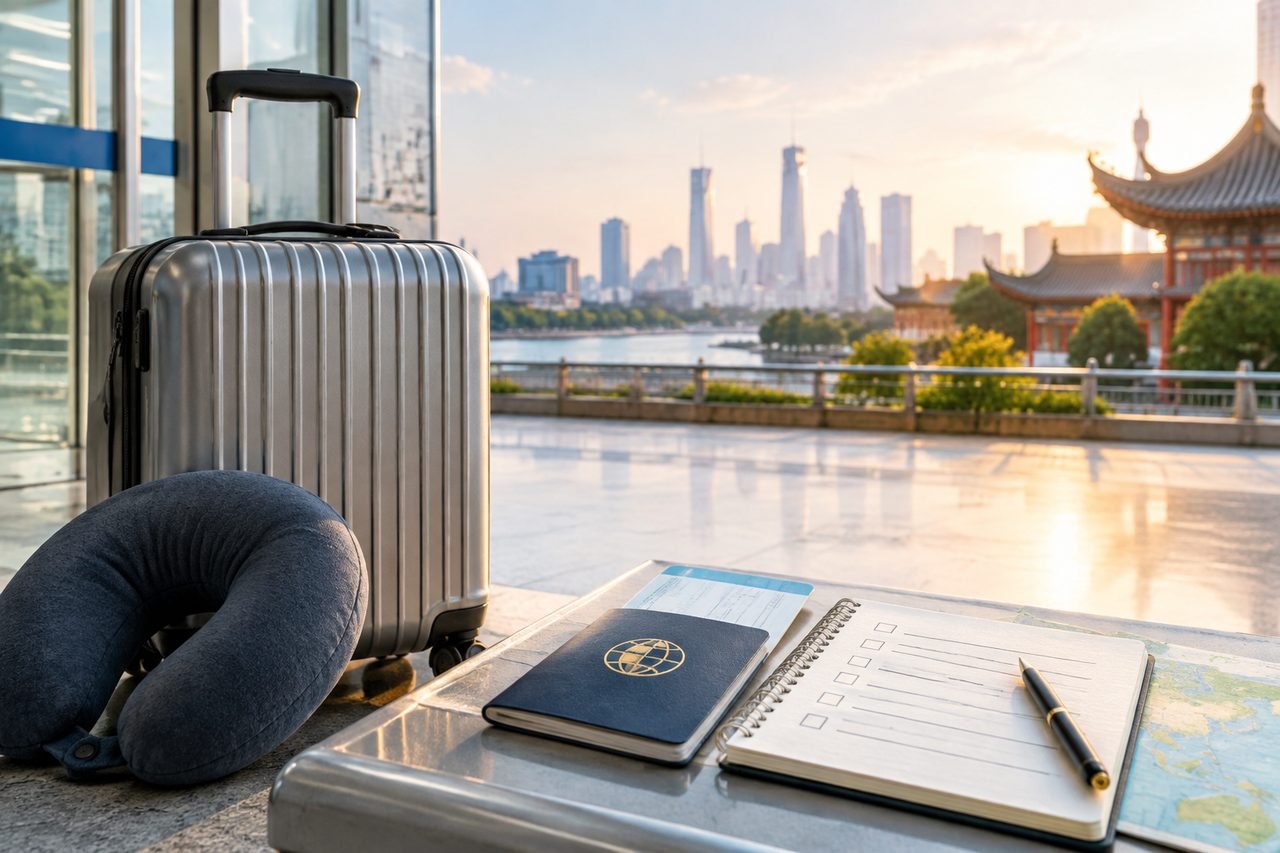
Why the stent question comes before the flight booking
Pyeloplasty repairs narrowing at the junction of the kidney and ureter, and the operative approach is decided individually. Many pyeloplasty patients leave surgery with a ureteral stent in place, but the presence, type and dwell time of that stent are clinical decisions made by the operating team. They depend on the reconstruction, the tissue quality found during surgery, and the surgeon's own protocol. No article can tell you what your stent plan will be.
This matters for travel because a stent can create a second clinical event after the operation: its removal. If the stent is removed in China, you may need to remain in the country until that happens. If it is removed in your home country, you need a receiving urologist who agrees in advance to take on that step, with the operative notes and imaging in hand. Either route is workable, but only one of them will match the flights you book.
So the first planning task is not choosing a hospital or a date. It is getting a written answer to a short set of questions about the stent and the review visits. Everything else — accommodation length, escort arrangements, work leave, travel insurance — follows from those answers.
The questions that change your trip length
Ask the treating team these questions before you commit to dates. The answers are not interchangeable between hospitals, and a verbal answer at enquiry stage may be refined after the surgeon reviews your imaging.
Is a ureteral stent planned as part of my pyeloplasty? If yes, what type, and what is the expected dwell time for my case? Who removes it — the operating team in China, or a urologist in my home country? If removal is in China, is it a separate appointment, and does it require sedation or anaesthesia? If removal is at home, what documents will I be given to hand over? When is the first post-operative review, and what does it involve — imaging, blood tests, a clinic visit, or a combination? Are there any wound checks or drain removals before I am fit to fly? What symptoms would require me to seek care before my scheduled review?
Write the answers down. If the hospital gives a range rather than a fixed date, treat the range as provisional and plan your return flight with that uncertainty in mind. A flexible or changeable ticket is often worth more than a slightly cheaper fixed one when a stent removal date is not yet confirmed.
Two workable trip shapes, and what each requires
Broadly, overseas pyeloplasty patients plan one of two trip shapes. In the first, you stay in China through surgery, the early recovery period, and stent removal, then fly home. In the second, you have surgery and the initial post-operative check in China, fly home with the stent in place, and have removal and later reviews with a urologist in your own country.
The first shape needs a longer stay and more accommodation, but keeps the whole episode with one team. The second shape shortens the China stay but depends on finding a receiving urologist who will accept the handover. That is not guaranteed. Some urologists are comfortable removing a stent placed elsewhere; others prefer to review the operative notes and imaging first, or to see the patient before agreeing. Start that conversation early, and be honest that the surgery will take place abroad.
A third possibility — surgery in China, then a delayed return for stent removal — is sometimes raised. Whether it is sensible depends on the dwell time your surgeon intends, the risks of a longer indwelling stent, and your own travel practicalities. Ask the treating team directly rather than assuming it is or is not an option.
Whichever shape you choose, do not book a return flight until the team has confirmed the earliest safe flying date for your case. Fitness to fly after pyeloplasty is a clinical judgement, not a fixed number of days.
Records and handover material to prepare
If any part of your stent or follow-up care will happen outside the operating hospital, the handover documents matter as much as the surgery itself. Ask the hospital what it will provide, and ask your home urologist what they would need to see. Typical items include the operative note, discharge summary, imaging reports and images, stent details, and a clear statement of what has been done and what remains.
For the initial enquiry to a China-based coordination service, you do not need to send a complete archive. A short summary — your diagnosis, the main question, and any recent imaging reports — is enough to identify the relevant next step. Full records can follow once a hospital or specialist is being matched. Do not send passport numbers, card details or a full medical file through an article form.
If you already have imaging from your home country, ask whether it is recent enough and in a format the Chinese hospital can read. Some hospitals prefer their own imaging; others accept outside studies. This is a question for the receiving team, not a rule you can assume.
Practical support while you are in China
The clinical decisions belong to the hospital. What a coordination service can add is the non-clinical layer around them: matching your case to a suitable urology team, helping with appointment registration, and providing bilingual hospital navigation and interpretation if you do not speak Mandarin. These are separately agreed services, not clinical care, and they do not replace the treating team's judgement.
For a procedure like pyeloplasty, the useful support is specific. It includes helping you understand the admission process, preparing questions for the surgeon, arranging interpretation for consent discussions before sedation, and being clear about what happens at discharge. If you are travelling with a companion, confirm with the hospital what role that person can play during admission and after discharge.
Arrival and local support — airport pickup, help with hotel arrangements, visa-document assistance — can be discussed, but no visa outcome or third-party charge should be assumed. Confirm scope and cost in writing before you rely on any of it.
One practical point: if stent removal is planned in China, ask whether it happens in the same hospital, in an outpatient setting, or elsewhere. The answer affects where you should stay and how much buffer time to keep before your flight home.
Contingencies worth planning for
Even a well-planned trip can shift. A post-operative review may show something that needs attention before you fly. A stent may need to stay in longer than first expected. A wound check may raise a question that requires an extra appointment. None of these are failures of planning; they are normal clinical variability.
Build in two things. First, a buffer between your last confirmed appointment and your return flight, so a small change does not force a rebooking. Second, a clear local contact — the hospital's international office, your coordination contact, or both — who can be reached if symptoms appear after discharge. Ask the treating team what symptoms should prompt urgent local care rather than waiting for a scheduled review.
If you become unwell before travel, or your symptoms worsen while waiting for a planned trip, local medical assessment takes priority over the overseas plan. Do not delay urgent care to preserve a booking.
Finally, keep your home urologist informed of the plan even if they are not involved in the surgery. If a stent or a follow-up issue arises after you return, they are the person you will call first.
Sources & scope of this guide
References and official service information relevant to this guide.
This is general planning information and has not been individually reviewed by a doctor. Medical decisions and personal treatment advice come from your treating clinicians.