
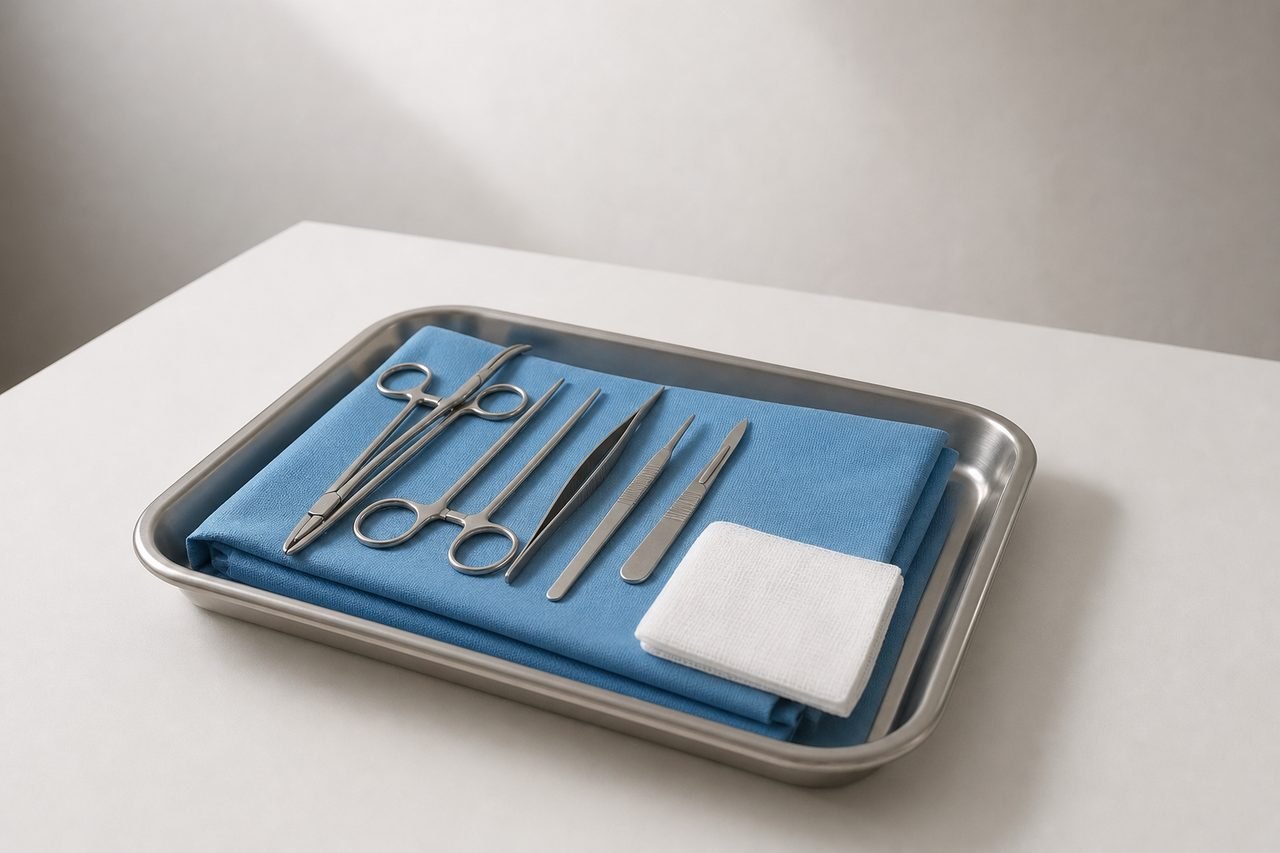
What each operation actually removes
A partial nephrectomy is kidney-sparing surgery. The surgeon takes out the tumour together with a small rim of normal tissue around it, then repairs the remaining kidney. The aim is to remove the cancer while preserving as much working kidney tissue as possible. This is why partial nephrectomy is sometimes called nephron-sparing surgery.
A radical nephrectomy removes the entire kidney, and depending on the cancer and the plan, may also remove surrounding structures such as the adrenal gland or nearby lymph nodes. The word 'radical' refers to the extent of the operation, not to how serious the cancer is. When one kidney is removed, the other kidney normally continues to filter blood, but the person is left with a single kidney and its long-term function matters.
Neither operation is automatically the better choice. Each has a different balance of cancer control and preservation of kidney function, and that balance shifts with the individual case.
Why the choice is case-specific rather than a preference
The decision turns on several clinical factors that the treating team assesses together. Tumour size, where the tumour sits within the kidney, how close it is to the collecting system or major vessels, and whether it appears to invade nearby tissue all influence feasibility. The function of the affected kidney and of the other kidney matters too, as does the person's overall health and any conditions such as diabetes or high blood pressure that affect kidney function over time.
Partial nephrectomy is generally considered when the tumour can be removed completely while leaving enough healthy kidney behind. Radical nephrectomy may be favoured when a partial approach would leave too little functioning kidney, when the tumour is very large or centrally placed, or when complete removal is judged safer with the whole kidney. These are general principles, not rules that can be applied to a scan by a reader.
A patient may reasonably ask whether partial nephrectomy is technically possible in their case, and why. A clear answer should explain what the imaging shows, what margin of healthy kidney would remain, and what the trade-offs are. If two options are both plausible, the discussion should cover the risks of each, not only the cancer outcome.
The trade-offs patients should understand before deciding
Partial nephrectomy preserves more kidney function, which matters for long-term kidney health, particularly in people who already have reduced function or conditions that threaten it. It is also a more complex operation, with a higher chance of bleeding and urinary leakage around the repaired kidney, and some patients need a longer or closer recovery. These risks are real and should be discussed with the surgeon rather than assumed away.
Radical nephrectomy is often a more straightforward operation with a lower risk of those local repair complications, but it leaves the person with one kidney. Living with a single kidney is compatible with a normal life for many people, but it places more reliance on the remaining kidney, and long-term monitoring of kidney function and blood pressure becomes part of follow-up. The treating team should explain what that monitoring involves for the individual.
Neither list is a reason to choose one operation in the abstract. The relevant question is which set of risks and benefits fits this tumour and this person, and that is a clinical judgement.
What records help a urology team assess the options
A useful review starts with the imaging that shows the tumour: typically CT or MRI of the abdomen, and sometimes other scans the treating team has requested. The written radiology reports matter as much as the images, and the original image files are often needed so a surgeon can assess the tumour's position directly. Pathology reports are relevant if a biopsy has already been done, though not every kidney tumour is biopsied before surgery.
Recent blood tests showing kidney function, such as creatinine and estimated glomerular filtration rate, help the team weigh how much kidney function would remain after either operation. A record of blood pressure, diabetes control and other long-term conditions is useful context. A list of current medicines, including blood thinners, and any allergies should be available before any surgical planning.
Patients should not assume a fixed list of tests is required before travel. Which additional investigations are needed is a clinical decision, and the receiving hospital should confirm what it wants to see. Sending a short summary first, then the specific reports requested, is more practical than assembling a complete archive before anyone has asked for it.
Questions to put to the treating team in China
The most useful preparation is a short, specific list of questions. These should be answered by the urology team that would actually operate, based on the patient's own imaging and records, not by a general article.
Ask whether partial nephrectomy is technically feasible, and if not, what specifically makes it unsuitable. Ask what proportion or amount of kidney function is expected to remain after each option, and how that would be monitored. Ask about the risks the team considers most relevant in this case, including bleeding, urine leak, and the chance that a partial operation might need to convert to full removal. Ask what follow-up involves for either operation, and what symptoms should prompt urgent contact.
It is also fair to ask how many of each operation the surgical team performs and how they decide between them, though the answer should be treated as context rather than a guarantee. A records-based opinion can help a patient understand the options before travelling, but it does not replace the in-person assessment and does not confirm hospital acceptance or a final surgical plan.
Practical next steps for an overseas patient
Start with a brief summary of the diagnosis, the imaging reports and the main question: whether kidney-sparing surgery is possible. ChinaSpecialistCare can check what is available, identify missing information and suggest a relevant next step; this initial enquiry is free and is not a diagnosis or a promise of acceptance. A proxy consultation with a hospital specialist is optional, not a prerequisite for an appointment or operation.
If the patient decides to pursue care in China, the hospital's urology team makes the clinical decision on suitability and the operation. Coordination of appointments, admission preparation and interpretation can be arranged separately, and hospital fees are paid to the hospital. The relevant procedure reference for kidney removal surgery is a useful place to understand the operation itself, while the urology specialty page gives context on care for international patients.
The practical next step is to send a short summary and ask one clear question about whether partial nephrectomy is feasible, then let the clinical team respond with what they need.
Sources & scope of this guide
References and official service information relevant to this guide.
This is general planning information and has not been individually reviewed by a doctor. Medical decisions and personal treatment advice come from your treating clinicians.