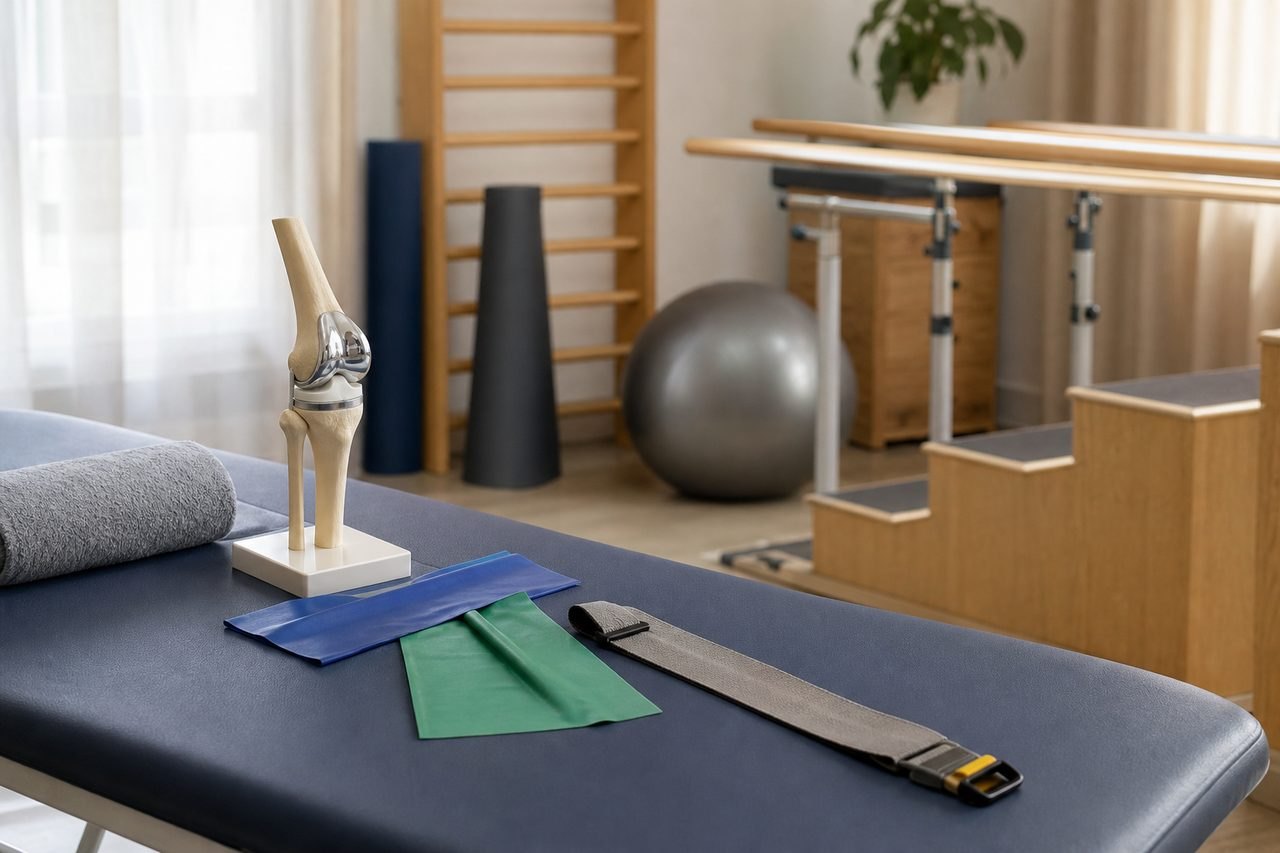
Start with the operation record, not a summary you wrote yourself
The single most useful document is the operation note or discharge summary from the hospital in China. A total knee replacement resurfaces the damaged joint surfaces with artificial components, and the operation record should describe what was implanted, what approach was used, and whether anything unexpected happened during surgery. Your physiotherapist needs the original document, not your recollection of it, because the details that matter to rehabilitation are often the ones patients do not think to mention.
If the record is in Chinese, ask the hospital for an English version before you leave, or arrange a certified translation. A machine translation of a surgical note can turn a precise term into something misleading. If you cannot get a translation, tell your physiotherapist that the document is in Chinese and ask whether they can work with it or whether they need a translated copy. Do not guess at what a term means.
Bring the discharge summary as well as the operation note. The discharge summary often contains the medication list at discharge, the wound status, and the instructions the surgical team gave you. Those instructions may include weight-bearing limits, wound care, or signs to watch for. Your physiotherapist should see them even if they plan to make their own assessment.
Implant details and unresolved results change the conversation
Ask the hospital in China for the implant identification card or sticker. This usually records the manufacturer, model, and lot or serial numbers of the components used. Your physiotherapist may not need it for every session, but it is the document that identifies exactly what is inside your knee. If you ever need imaging, revision assessment, or an opinion from another surgeon, that card is the starting point. Keep a copy with your other records and give one to your physiotherapist to file.
Unresolved results are just as important. If a blood test, wound swab, or imaging report was pending when you left China, say so plainly. Do not wait until the result arrives to mention it. Your physiotherapist needs to know that a question is still open, because it may affect how they progress your rehabilitation. If you have the result now, bring it. If you do not, tell them when you expect it and who is responsible for sending it.
Imaging is a common gap. If you had X-rays or other scans in China, ask for the images themselves, not only the written report. A report describes what the radiologist saw; the images let your physiotherapist or a reviewing clinician see the alignment and component position for themselves. If you only have a report, bring it, but say clearly that you do not have the images.
What your physiotherapist needs to know about your current situation
Your physiotherapist will assess your knee themselves. They are not bound by what a surgical team in another country wrote, and they should not be. Their job is to examine your movement, strength, swelling, and function now, and to decide what is safe for you. What you can do is give them the information they cannot get from looking at your knee.
Tell them when the operation was, where it was done, and who has been following you since. If you have seen a surgeon or physician since returning home, say so and bring any notes from that visit. If you have not, say that too. Your physiotherapist needs to know whether another clinician is already monitoring the knee or whether they are the first person to assess it since you left China.
Describe your symptoms in plain terms: where it hurts, when it hurts, what makes it better or worse, and whether the knee feels stable or gives way. Do not try to diagnose yourself. If you have swelling that is new or increasing, or pain that is worsening rather than settling, say so directly. Those are the details that change what a physiotherapist will do in the next session.
Restrictions, precautions, and what the surgical team told you
If the surgical team in China gave you restrictions, write them down before your first physiotherapy appointment. Common examples include limits on how far you can bend the knee, how much weight you can put through it, or whether you should avoid certain movements. Your physiotherapist may agree with those restrictions, modify them, or disagree with them based on their own assessment. That is their clinical judgement to make, and you should not try to enforce a restriction that they have reason to change.
What matters is that they know what you were told. If you were told to avoid bending past a certain point, say who told you and when. If you were given a brace or a walking aid, bring it or describe it. If you were told nothing specific, say that clearly rather than assuming there were no restrictions.
Do not stop or change any medication on your own because of something you read or because a physiotherapist suggests it. Medication decisions belong to the prescriber. If your physiotherapist has a concern about your medication, they should communicate it to the clinician who prescribed it, and you should follow that route.
Communication, language, and who is responsible for what
If your physiotherapist does not read Chinese and your records are in Chinese, agree on how you will handle that. You may need a translated copy, an interpreter at the appointment, or a summary that you prepare with help. Do not rely on your physiotherapist to interpret a language they do not read. If you are not sure whether a document has been translated accurately, say so.
Clarify who will send records where. If your physiotherapist wants a report from the surgical team in China, ask them to put that request in writing so you can forward it. If you are the one holding the records, tell them what you have and what you do not have. Do not promise to obtain a document you are not sure you can get.
Ask your physiotherapist what they will send back, if anything. Some physiotherapists write to the referring clinician or surgeon; others do not. If you want the surgical team in China to receive an update, ask whether that is something your physiotherapist can provide and what it would include. This is a practical question, not a clinical one, and the answer varies by provider.
Questions to ask before your first session
Before your first appointment, it helps to know what your physiotherapist expects from you and what they will do. These questions are not a protocol; they are a way to make the first session useful rather than spent sorting out paperwork.
Ask whether they want the records before the appointment or whether you should bring them on the day. Ask whether they need the implant card specifically, or whether the operation note is enough. Ask whether they want the imaging on a disc or whether a report will do. Ask how they prefer to receive translated documents.
Ask what they will do if a record is missing. Some physiotherapists will proceed with their own assessment and note the gap; others will want the record before they plan anything. Either approach can be reasonable, but you should know which one you are working with. If they say they need a document you cannot obtain, ask what the alternative is.
Finally, ask what you should do if your symptoms change between sessions. A physiotherapist can tell you what signs would make them want to see you sooner or send you back to a doctor. Write that down. It is the practical answer to the question of what to do when you are not in the clinic.
Sources & scope of this guide
References and official service information relevant to this guide.
This is general planning information and has not been individually reviewed by a doctor. Medical decisions and personal treatment advice come from your treating clinicians.