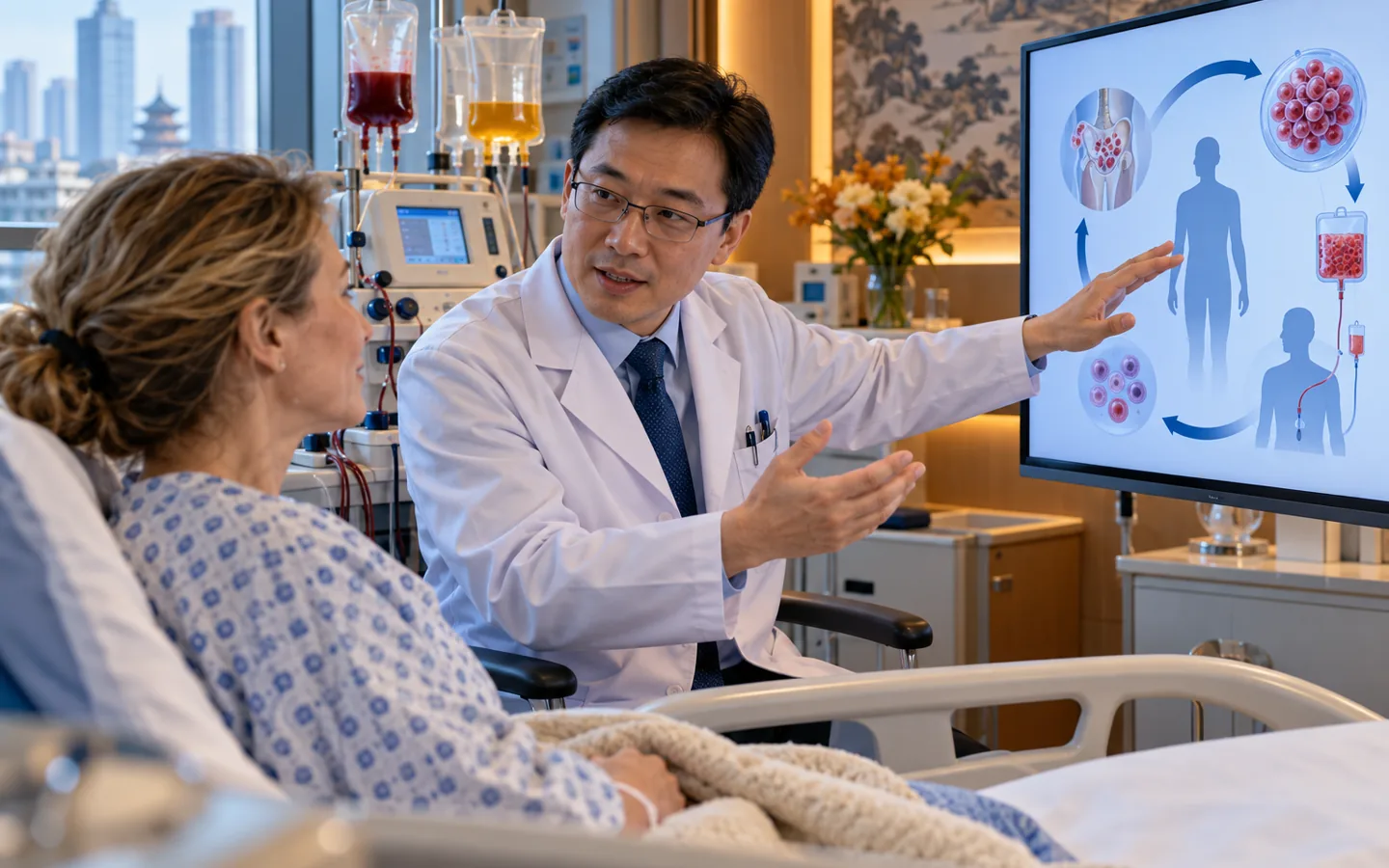
Autologous transplant is high-dose treatment with marrow rescue
Stem cells are mobilized and collected from the patient, stored, then returned after high-dose chemotherapy. The cells restore blood formation; they do not provide a donor immune effect.
This approach is established in selected myeloma and lymphoma settings. The value depends on disease sensitivity, timing, collection success, prior treatment and the patient’s ability to tolerate intensive therapy.
Adequate cells may be stored without immediate transplant, and a successful collection does not by itself prove that high-dose therapy is the best next step.
Who may be considered?
Specialist review may help when the source diagnosis and treatment timeline raise a practical question about autologous stem-cell collection and high-dose therapy.
- Transplant-eligible myeloma after effective induction.
- Selected relapsed or high-risk lymphoma responsive to salvage treatment.
- A patient with adequate heart lung kidney and liver function.
- Someone needing review after poor stem-cell mobilization.
- A second opinion on timing versus another systemic or cellular therapy.
What the specialist team must confirm
The team reviews disease response, prior marrow-toxic treatment, mobilization strategy, collection target, infection status, organ function, dental and fertility issues, caregiver support and plans for transfusion and infection prevention.
Key points for this treatment
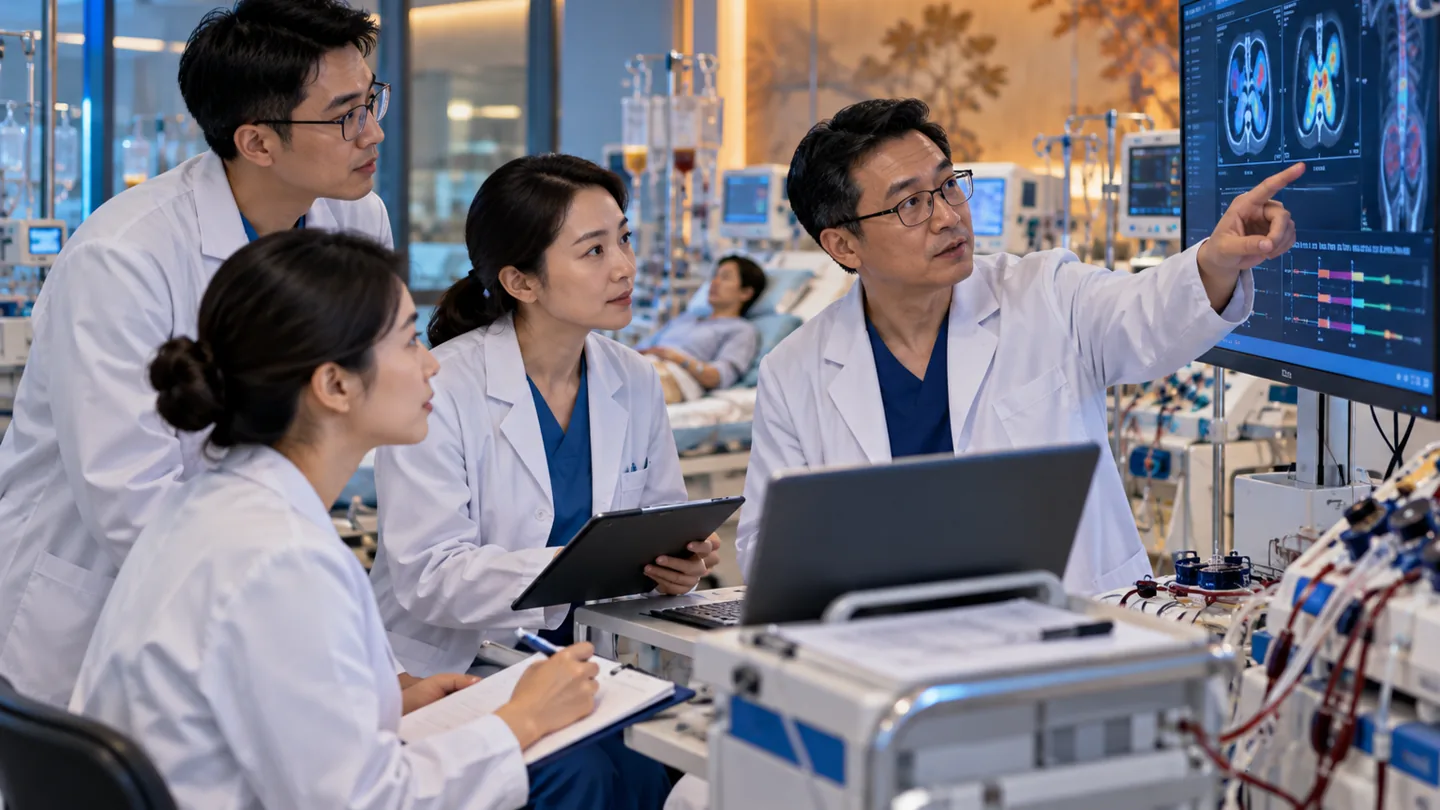
From mobilisation to marrow recovery
Collection feasibility, conditioning benefit and supportive-care capacity are reviewed as one pathway.
Count recovery, infection prevention and maintenance
After infusion, patients need close monitoring until blood counts recover and acute complications stabilize. Fatigue and immune recovery continue after discharge.
Subsequent maintenance or consolidation depends on disease. Vaccination and infection-prevention plans should be handed to the local team.

Limits, burdens and realistic expectations
High-dose therapy causes profound temporary marrow failure and can cause serious infection, mucositis, organ injury, infertility and treatment-related death. Relapse remains possible because there is no donor immune effect.
Fever, chills, uncontrolled diarrhoea or vomiting, bleeding, breathlessness or inability to drink during recovery needs urgent transplant-centre contact.