Home / Rare Diseases / Rare-Disease Rehabilitation Planning
Rare-disease evidence pathway · 康复方案规划

Rare-Disease Rehabilitation in China

Considering Rare-Disease rehabilitation in China? Start with current function, rehabilitation goals and home support. This guide helps you identify the relevant records, questions for the receiving team and the scope of an individual estimate before a visit is agreed.

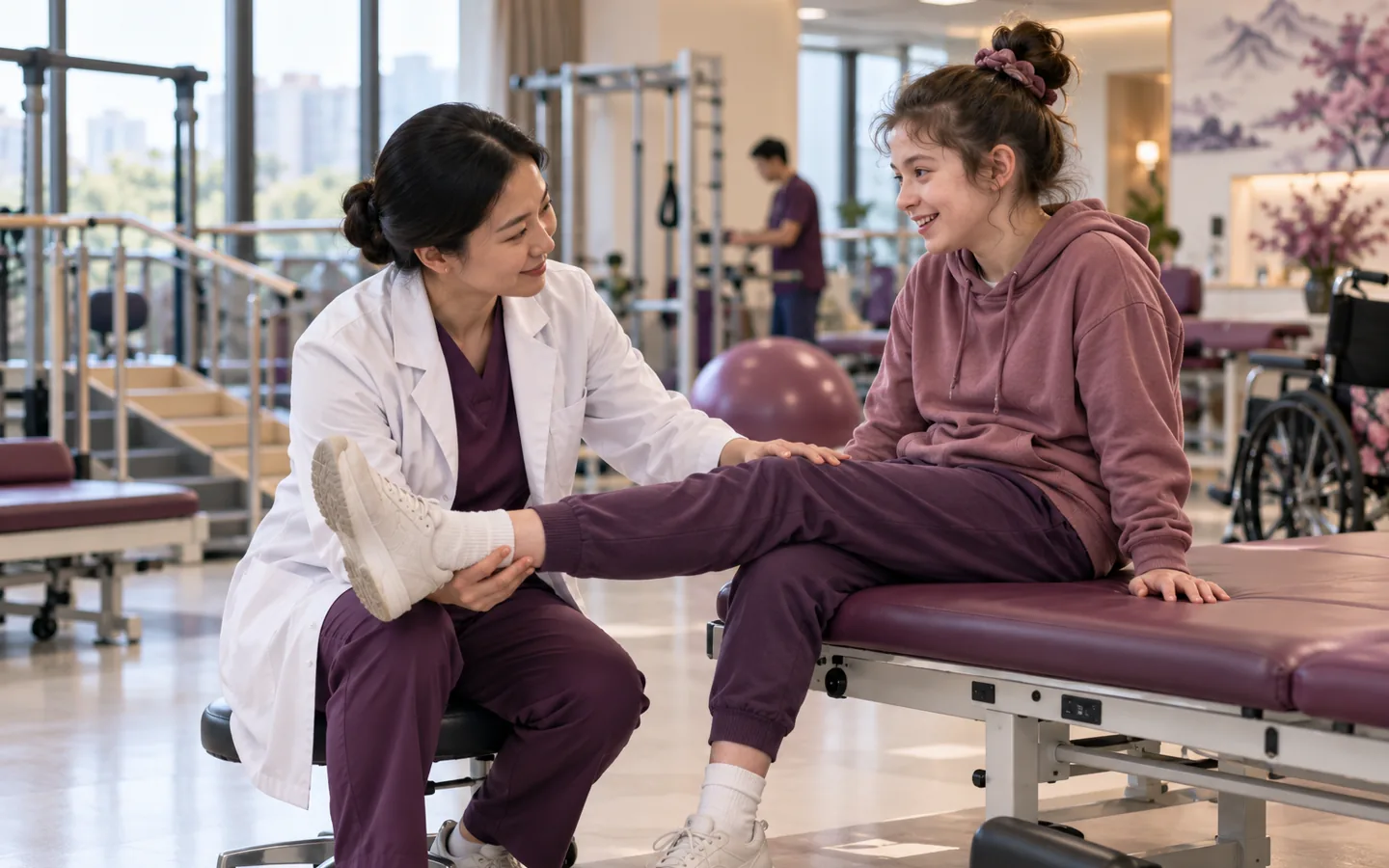
Chinese rehabilitation physician assessing function with an international rare disease patient

Medical records & cost enquiry

Rare-Disease Rehabilitation: assessment and cost questions

For Rare-Disease Rehabilitation Planning, the budget depends on the proposed care and the hospital. A useful estimate needs to distinguish:

  • The functional goals and assessment needed
  • Therapies, equipment and number of sessions
  • Inpatient versus outpatient follow-up

Hospital medical fees, travel and our coordination services are separate. Any paid specialist review or coordination service is explained and agreed before you proceed.

Your next step

Start with your question

Tell us your diagnosis and what you need. Our free initial review checks the information and helps identify a suitable next step; it is not a specialist opinion or a hospital quotation.

Request a case-based estimate

Not ready to send records? Ask us first. Where hospital review is appropriate, we can help request an estimate. No travel commitment or mandatory proxy consultation.

Planning Rare-Disease rehabilitation in ChinaHospital review · individual costs · visit and follow-up

Plan the visit around current function, rehabilitation goals and home support. Agree the assessment route before travel.

Records for the Rare-Disease rehabilitation review

Tell us what you already have: Confirmed diagnosis and precautions; Functional assessments over time; Cardiac respiratory and swallowing tests. Start with a short summary; after first contact we explain which records the receiving team needs and how to share them.

Confirm the proposed scope and costs

Before asking for a personal estimate, clarify: The functional goals and assessment needed; Therapies, equipment and number of sessions; Inpatient versus outpatient follow-up. The receiving team confirms the proposed scope and hospital charges; coordination is agreed separately.

Visits and care after returning home

Agree which daily functions matter, how any assessment would be used and how a rehabilitation plan could be continued near home. Tell us if you need interpretation or English-language documents, and confirm the relevant arrangements with the receiving team.

Rehabilitation adapts function to disease, not disease to a standard program

Rare neurologic, muscular, skeletal, metabolic and multisystem disorders can affect strength, endurance, balance, swallowing, communication and daily activities in different ways. Rehabilitation aims to preserve safety and participation while preventing avoidable complications.

The correct intensity depends on diagnosis and trajectory. In some disorders overwork, fasting, heat, respiratory weakness or cardiac stress can be harmful, so the disease specialist and rehabilitation team must align.

Start with meaningful activities

Goals such as safe transfers, school attendance, communication or energy conservation are more useful than a generic promise to “get stronger.”.

Who may be considered?

This review may help when the phenotype and existing evidence create a focused question about function-focused rehabilitation.

  • A new diagnosis needing a functional baseline.
  • Progressive weakness, fatigue, pain or loss of independence.
  • Postoperative or post-hospital decline.
  • Swallowing, speech, respiratory or mobility needs.
  • Equipment, orthosis, seating or home-access questions.

What the specialist team must confirm

The team reviews diagnosis and precautions, strength, range, gait, balance, endurance, breathing, swallowing, speech, cognition, pain, fatigue, skin, home environment, caregiver capacity and the activities that matter to the patient.

Key points for this treatment

Focusfunction and participation
Teamtherapy plus disease specialists
Doseactivity matched to physiology
Toolsequipment orthoses and home changes
Chinese physical occupational and speech therapists planning disease specific rehabilitation
Function is measured in real tasksThe baseline links impairments to participation and identifies risks that alter exercise or equipment choices.

From disease precautions to practical participation goals

The plan combines what the patient wants to do with what the physiology safely permits.

BaselineMeasure function and safety
PrioritizeChoose meaningful daily goals
InterveneTherapy equipment and environment
ReassessAdapt to response and disease change

Home program, equipment and changing needs

A sustainable program specifies dose, rest, monitoring and stop rules. Caregivers learn safe transfers and positioning when needed.

Progressive conditions require anticipatory planning for mobility, respiratory support, communication and home access before a crisis forces rushed decisions.
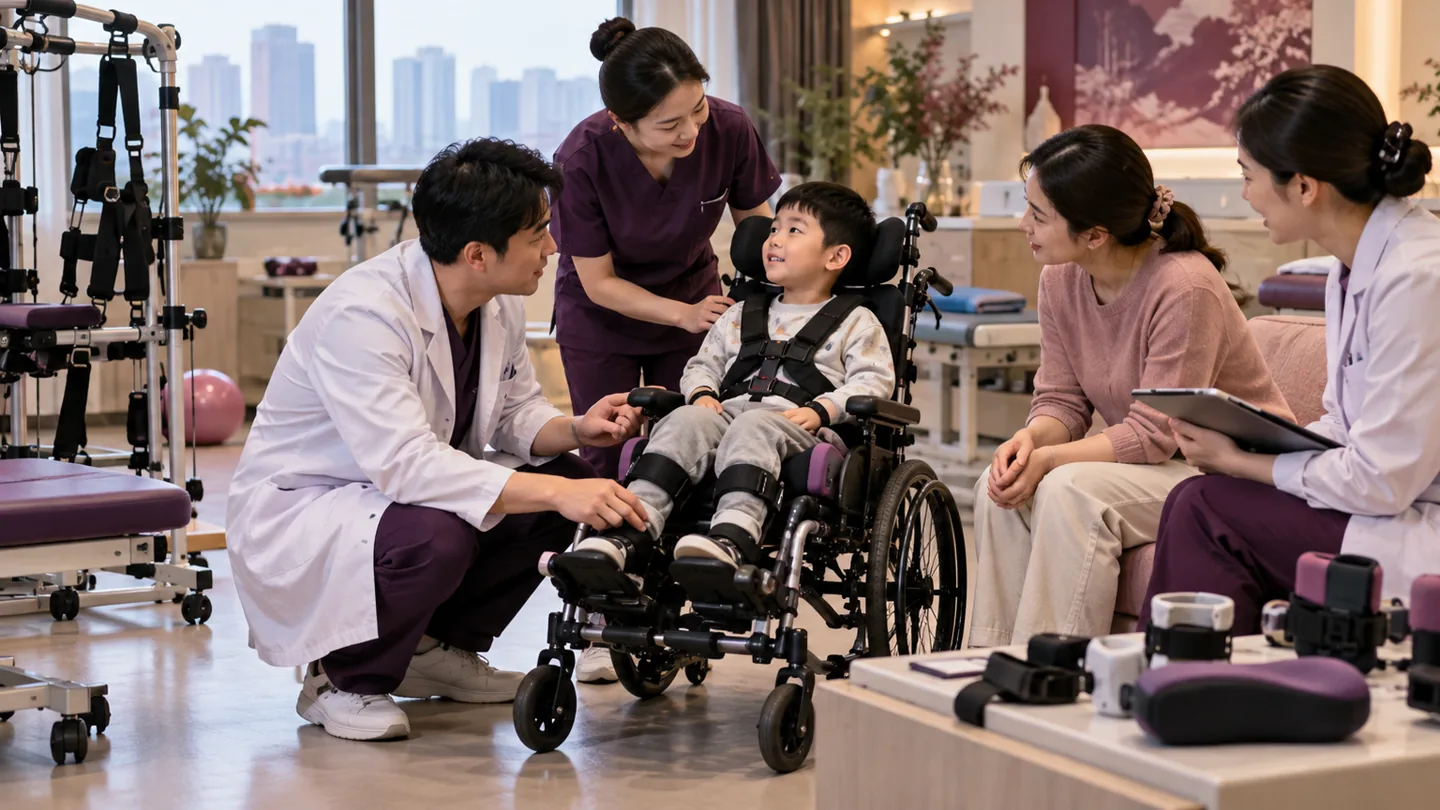
Chinese rehabilitation follow-up reviewing mobility equipment home goals and caregiver training
Success may mean preservation and safer participationNot every valuable rehabilitation outcome is an increase in strength or walking distance.
RestoreRegain function after a reversible loss
MaintainPreserve ability and prevent complications
CompensateUse equipment or environmental change
PalliateReduce burden and support comfort

Limits, burdens and realistic expectations

Rehabilitation cannot reverse all genetic or progressive damage. Excessive intensity may worsen symptoms in selected conditions, equipment may be costly, and short clinic gains may not transfer to home without support.

Do not delay urgent local care

New choking, rapidly worsening breathing, sudden weakness, falls with injury or loss of bladder or bowel control needs urgent medical assessment.

Before hospital review

Records for Rare-Disease rehabilitation assessment

Rare-disease review works best with a longitudinal phenotype, original reports, raw data where available and a list of what has already been excluded.

Confirmed diagnosis and precautions
Functional assessments over time
Cardiac respiratory and swallowing tests
Current mobility and equipment
Therapy history and response
Pain fatigue and fall history
Home school or work environment
Patient and caregiver goals

Tell us what you need

Ask about your care,
your hospital and your budget.

You can ask about suitability, an expert opinion, an appointment or the likely medical cost. If you are unsure, choose “Not sure — please advise”.

This enquiry is aboutRare-Disease Rehabilitation PlanningNot sure — please advise

How a personal estimate is prepared

  1. Tell us about your case.Describe your diagnosis, main question and preferred city, if any.
  2. Share the relevant records.We explain what is needed and how to send it by WhatsApp or email.
  3. Request a hospital estimate.Where appropriate, we help request hospital review and a cost estimate. Any paid review is agreed first.

This is an enquiry, not an order or payment. Proxy consultation is not mandatory. Any service scope is agreed separately before you proceed.

Ask about Rare-Disease Rehabilitation Planning

A first enquiry is free. Email and permission to respond are required; the other details are optional. Any paid clinical review or coordination is discussed separately.

Included automatically so we know which procedure you are asking about.
A preference, not a confirmed appointment.
Please do not send passport numbers, card details or full medical files in this first enquiry. We will explain which records are needed next.

Send a short summary first. This is an enquiry, not an order, payment or confirmed appointment.

No booking or payment is made by sending this enquiry.
Editorial transparency

Medical sources

Patient information is based on established government and professional guidance. Content updated 5 October 2026. This is patient information, not an individual clinical assessment.