
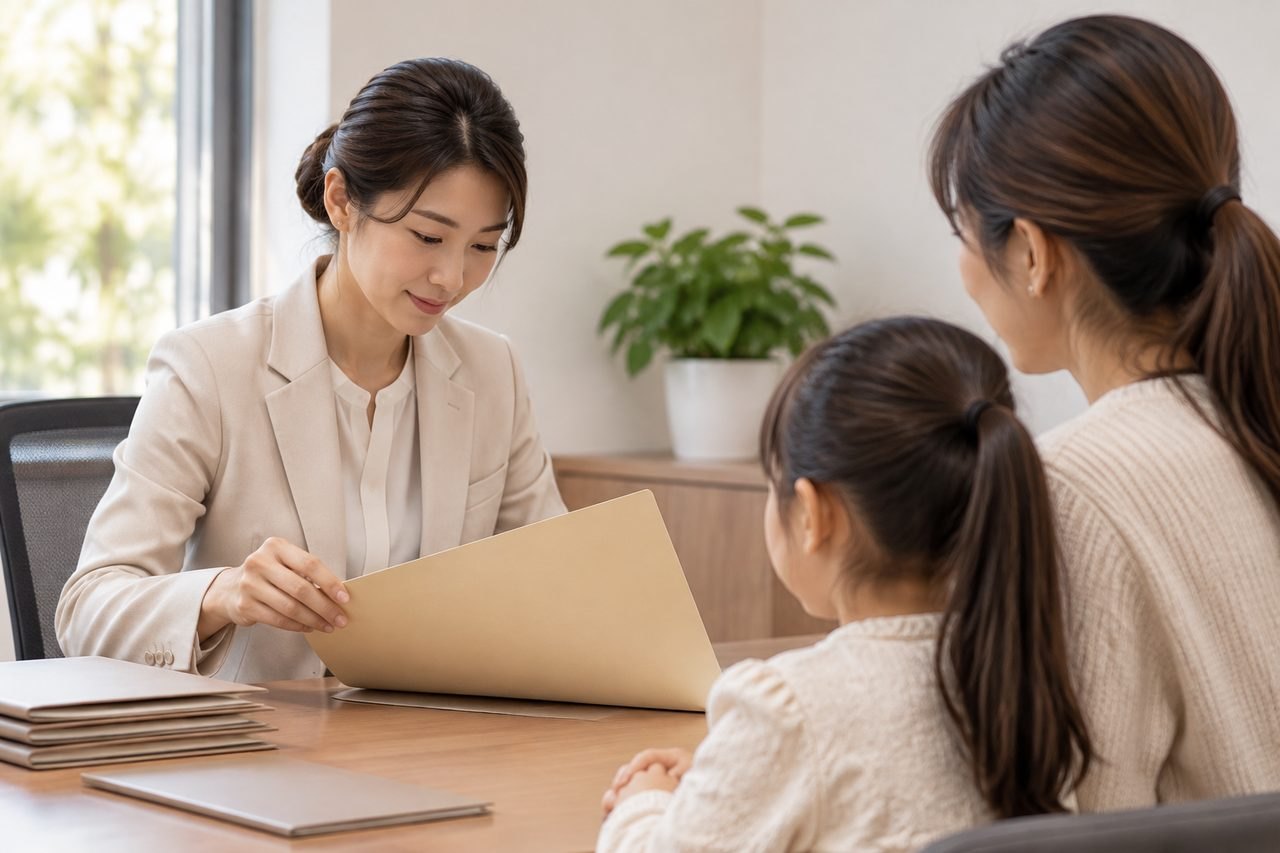
What early orthodontic assessment actually involves
Early orthodontic assessment is a clinical examination of a child whose jaw and teeth are still developing. The orthodontist looks at how the teeth meet, how the jaws relate, whether there is crowding or spacing, and how the child's bite functions. The assessment may include photographs, dental impressions or intraoral scans, and radiographs where the clinician judges them necessary. Not every child assessed early needs treatment at that age; some are monitored as growth continues.
The purpose of an early assessment is to identify whether a problem exists, whether it is likely to worsen with growth, and whether intervening now offers a clearer benefit than waiting. Those judgements depend on the individual child. A parent should expect the orthodontist to explain what has been found, what the options are, and what would be gained or lost by treating now rather than later.
Early treatment is not the same as starting braces on every young child. Some interceptive measures aim to remove an obstacle to normal development, such as a habit or a specific bite problem, while other children are simply reviewed at intervals. The clinician decides which category a child falls into after examination, not from photographs sent in advance.
Why the timing question matters more than the treatment name
Parents often arrive with a specific appliance in mind because they have read about it online. The more useful question is whether this child, at this stage of dental and skeletal growth, has something that early treatment can address. An orthodontist will consider the child's dental age, the pattern of eruption, the bite relationship and any functional concerns such as difficulty closing the lips or chewing.
Growth is the reason early orthodontics exists as a distinct phase. Some jaw-relationship problems can be influenced while a child is still growing, and the window for that influence differs between children. A clinician may recommend treatment now, a period of observation, or referral for a broader assessment if the bite problem sits within a wider craniofacial or airway concern.
Parents should ask directly what the proposed treatment is intended to change, how success would be judged, and what happens if the family chooses to wait. Those answers are specific to the child and should be given by the treating orthodontist rather than assumed from general information.
Records to bring and what the orthodontist will want to see
A useful first consultation starts with the child's dental history. Bring any previous orthodontic assessments, radiographs, photographs, study models or scans, along with a list of past dental treatment and any relevant medical history the orthodontist should know. If the child has seen a paediatric dentist or another specialist, a short summary of that input helps the new clinician understand the background.
The orthodontist will usually want to examine the child in person and may request additional imaging or records to plan treatment. Parents should not assume that records sent ahead will be sufficient for a treatment decision. Ask what the clinic needs before the visit and what it will arrange on the day.
For families travelling to China, it is worth confirming in writing what records the clinic wants, whether they will accept existing radiographs or require new ones, and how results will be shared. These are practical questions for the specific clinic, not rules that apply everywhere.
- Recent dental radiographs, if available
- Previous orthodontic correspondence or treatment notes
- Photographs or scans already taken
- A written list of the child's medical conditions and medicines
- The parent's main concern in one or two sentences
Consent, cooperation and the child's role
Early orthodontic treatment depends heavily on the child's cooperation. Removable appliances and some fixed appliances require the child to wear or care for them as instructed, and results can be affected when that does not happen. The orthodontist should discuss this openly with the parent and, where appropriate, with the child, so that the family understands what daily care involves before committing.
Consent for a child's treatment is given by the parent or legal guardian, and the discussion should cover the reason for treatment, the alternatives including waiting, the expected duration in general terms, the appointments involved and the possible risks. The clinician should explain what will happen if the child does not tolerate the appliance or if progress differs from expectation.
Parents should ask how the clinic handles missed appointments, how urgent problems are managed, and who to contact between visits. These arrangements vary between providers and should be confirmed rather than assumed.
Practical questions for a clinic in China
International families considering orthodontic care in China need to confirm several practical points with the specific clinic. Language support during consultations and instructions matters, because orthodontic care involves repeated visits and detailed home guidance. Ask whether the orthodontist or a supporting colleague speaks the family's language, and whether written instructions can be provided in that language.
Ask how the treatment plan will be documented, what the fee covers, and how payments are handled over the course of treatment. Ask what happens if the family returns home before treatment is complete, and whether records can be transferred to a clinician there. These are questions for the provider; the answers depend on the clinic and the individual plan.
It is also reasonable to ask about the orthodontist's experience with the specific problem identified, without expecting a guarantee of outcome. A clinician can describe their approach and the general risks, but no responsible provider promises a particular result for an individual child.
Follow-up, travel and continuity of care
Orthodontic treatment is a series of visits rather than a single appointment. Families travelling to China should discuss with the clinic how the treatment schedule would work alongside their stay, and what would be required if they leave before a phase is finished. The clinic should explain which parts of care can be handed to another orthodontist and what records would be needed.
If the family plans to continue care at home, the receiving orthodontist will make their own assessment of the child and the treatment so far. It is reasonable to ask the China clinic to prepare a summary of findings, treatment provided and recommended next steps. The receiving clinician decides what to continue.
Parents should also consider the child's school commitments and the practical demands of repeated visits. These are family decisions, but the clinic can explain what its schedule typically involves for the proposed treatment.
Next step for an initial enquiry
An initial enquiry to ChinaSpecialistCare is free and does not require buying a proxy consultation. A brief summary of the child's age, main concern and any existing records is enough to start; the team can identify missing information and suggest a relevant next step. The treating hospital and orthodontist decide whether assessment or treatment is suitable, and any plan or fee should be confirmed in writing by the provider.
Sources & scope of this guide
References and official service information relevant to this guide.
This is general planning information and has not been individually reviewed by a doctor. Medical decisions and personal treatment advice come from your treating clinicians.