
What each option actually does
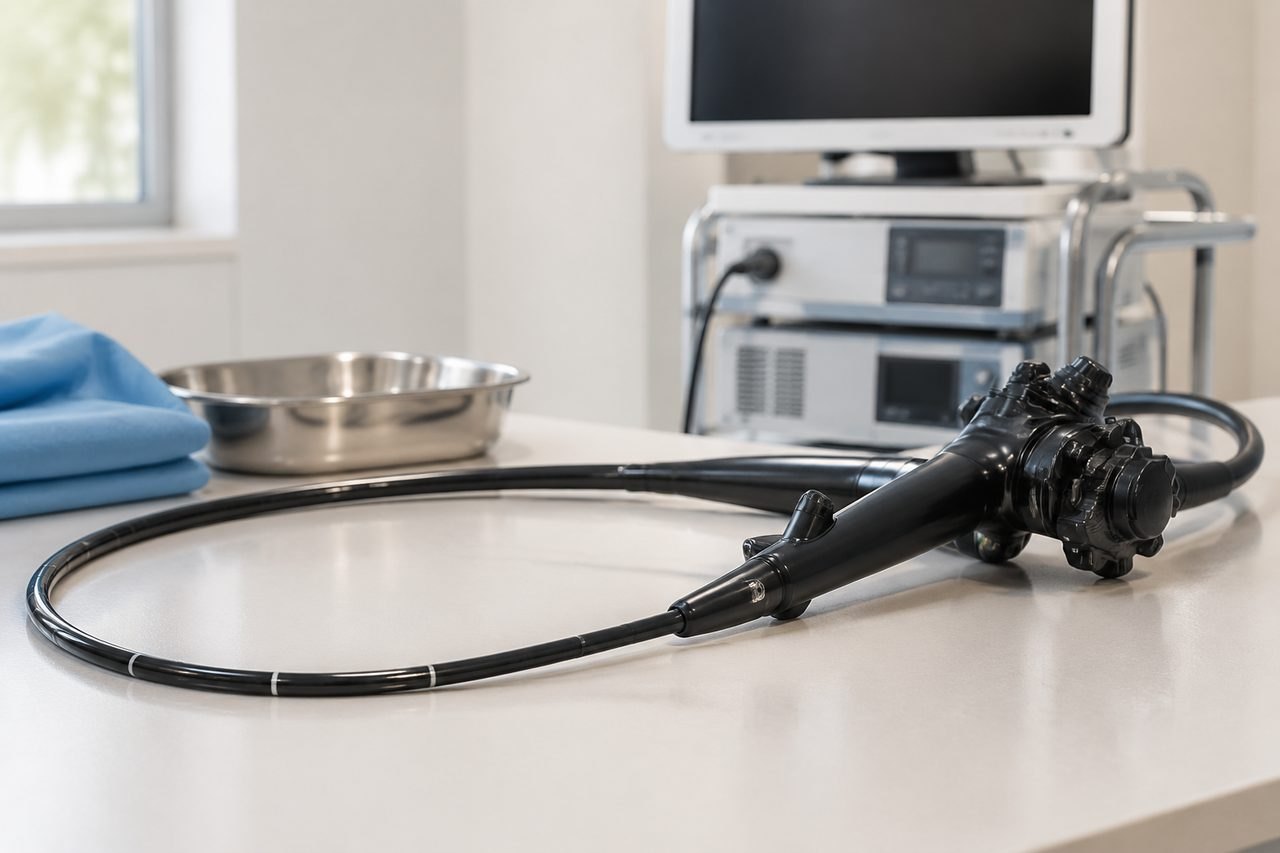
ERCP stands for endoscopic retrograde cholangiopancreatography. A flexible endoscope goes through the mouth, stomach and into the small bowel, where the bile duct opens. The specialist can then inject contrast to see the duct, widen a narrowed opening, remove stones, place a stent or take tissue samples. It is a therapeutic endoscopic procedure, not open surgery, and it usually avoids an abdominal incision.
Bile duct surgery is an operation. The surgeon works on the duct directly, through open or keyhole access, to remove part of it, reconnect it to the bowel, bypass a blockage or clear a problem that cannot be managed from inside. It is a bigger intervention with a different recovery profile, and it is chosen when the duct itself needs to be cut, rebuilt or removed.
The two are not rival versions of the same treatment. One works from inside the duct; the other works on the duct from outside. A patient may need one, the other, or both at different stages.
Why the blockage decides the route
The most useful question is not which procedure is better in general, but what is causing the problem. A stone lodged in the duct is often approached endoscopically, because the stone can be removed through the endoscope. A stricture, a tumour or an injury to the duct may need tissue diagnosis and a surgical repair or bypass.
Where the blockage sits matters too. A problem near the point where the duct enters the bowel is easier to reach endoscopically than one higher in the duct or at the liver hilum. The anatomy of your duct, any previous surgery and whether the duct has been altered before all change what is technically possible.
Infection is a separate consideration. If the bile duct is infected and the patient is unwell, the team may need to relieve the blockage quickly, and the sequence of drainage and definitive treatment becomes a clinical judgement. This is exactly the kind of decision that should not be made from a website description.
What the specialist needs from your records
A useful review starts with the imaging that shows the duct. That may include ultrasound, CT, MRI with MRCP, or endoscopic ultrasound. The reports and, where possible, the images themselves help the specialist see the level and cause of the problem rather than reading a summary.
Blood tests showing liver and bile markers, any previous ERCP or surgery reports, and the pathology report if a sample has already been taken are also relevant. A list of your current medicines, allergies and other conditions helps the team judge procedural risk.
You do not need to assemble a complete archive before asking a question. A short summary of the diagnosis, the main concern and the key reports is enough for an initial conversation about what to clarify next.
- Imaging reports and images showing the bile duct
- Liver and bile blood test results
- Previous ERCP, stent or biliary surgery records
- Pathology results if a sample was already taken
- Current medicines, allergies and major health conditions
Questions that separate the two in your case
Ask the specialist directly: what is blocking the duct, and where is it? Then ask whether the problem can be treated from inside the duct or whether the duct itself needs surgery. If surgery is proposed, ask what the operation would involve and what the alternatives are.
It also helps to ask what would happen if the endoscopic route failed or was not suitable, and whether a stent would be a temporary measure or a longer-term plan. For any procedure, ask about the specific risks in your situation, what preparation is needed and what follow-up the team expects.
These questions are not a test of the doctor. They are how a patient understands why one route is being recommended over another, and they belong in a conversation with the treating clinician who has seen your imaging.
What this means for planning care in China
If you are considering care in China, the practical step is to have your imaging and reports reviewed by a hepatobiliary or gastroenterology specialist who can say which route fits your case. That review is a clinical opinion based on records; it does not replace an in-person assessment, and it does not guarantee that a particular procedure will be offered.
Hospital acceptance and the final treatment plan are decided by the treating hospital and its clinicians. Our team can help identify a relevant specialist and coordinate an appointment, but we do not decide suitability or perform the procedure. Hospital fees and our coordination fees are separate, and the hospital's written plan and quote should set out what is included.
For patients who want a records-based opinion before travelling, a specialist review can clarify whether ERCP, surgery or further testing is the likely next step. It is optional, and an initial enquiry does not require it.
Next step
Start with a short summary of the diagnosis, the main question and the key imaging or test reports. Our team can check what information is available, point out what is missing and suggest the relevant next step. An initial enquiry is free, and the hospital makes the final decision on assessment and treatment.
Before you send anything, it helps to know what the specialist will actually be looking at. The single most useful item is the imaging that shows the bile duct and the level of the blockage. A written report is a summary; the images themselves let a clinician judge the anatomy, the position of the problem and whether an endoscopic route is technically reachable. If you have a disc or a link to the original scan, mention it, and ask whether the receiving team wants the images or only the report.
The second useful item is the story of what has already been done. If you have had an ERCP before, the report should say what was found, what was done and whether a stent was placed. If you have had biliary surgery, the operation note matters because previous surgery changes the anatomy and can change which route is possible. Pathology results, if a sample has already been taken, belong in the same summary.
Blood tests that reflect liver and bile markers help the team understand how the blockage is affecting you now, and a list of current medicines, allergies and major health conditions helps them judge procedural risk. You do not need a complete archive to ask a first question. A short summary with the diagnosis, the main concern and the key reports is enough to start, and the team can tell you what else would help.
It is also worth being clear about what you want from the contact. Some patients want to know whether ERCP or surgery is the likely route. Others want to understand what a proposed operation would involve, or whether a stent would be temporary or longer-term. Saying which question matters most to you helps the team point you to the right specialist rather than a general reply.
If you are weighing care in China, keep the clinical question and the practical question separate. The clinical question, which procedure fits your case, belongs to the treating clinicians who review your imaging. The practical question, which hospital and specialist to approach and what preparation an appointment needs, is where coordination can help. Hospital fees and any coordination fees are separate, and the hospital's written plan and quote should set out what is included.
One caution about timing. If you are unwell with fever, worsening pain or yellowing that is getting worse, do not wait for an overseas review. Seek local medical assessment first, because an infected or blocked bile duct can need urgent attention. A records-based opinion is for planning, not for emergencies.
When you are ready, send the short summary and the key reports through the enquiry form, email or WhatsApp. Our team will check what is available, point out what is missing and suggest the relevant next step. An initial enquiry is free, and the hospital makes the final decision on assessment and treatment.
Sources & scope of this guide
References and official service information relevant to this guide.
- Related treatment reference
- gastroenterology
- ASGE | ERCP
- Treatment for bile duct cancer - NHS
- Symptoms of bile duct cancer - NHS
This is general planning information and has not been individually reviewed by a doctor. Medical decisions and personal treatment advice come from your treating clinicians.