What an MDT discussion is meant to settle
A multidisciplinary team discussion brings several relevant specialties into one conversation about a single patient. For a low-grade glioma, that conversation is not a formality before surgery. It is where the case is framed: what the diagnosis rests on, what the images show, what the reasonable options are, and which of them fits this patient's situation. Assessment of an adult central nervous system tumour considers tumour type, site and grade along with the patient's circumstances, and treatment decisions are individual.
The practical value for an overseas patient is that the discussion forces the open questions onto the table before travel, rather than after arrival. If the tumour is low grade and stable, the decision may be to watch and re-image rather than operate. If it has changed, the decision may shift. An MDT is the setting where those competing views are compared instead of being resolved by whichever specialist the patient happened to see first.
What an MDT does not do is guarantee an outcome or produce a single correct answer. It produces a documented position on the questions below, with the reasoning attached. That is what you are asking for.
The molecular question: what is the diagnosis based on
Low-grade glioma is not one disease. Modern classification separates tumours by molecular features as well as by how they look under the microscope, and those features influence how a tumour is expected to behave and which options are reasonable. A discussion that only repeats the original pathology label without addressing molecular findings is answering an older question.
So the first thing an MDT should answer is what the diagnosis is based on. Was tissue sampled, and was molecular testing done on it? If testing was done, which markers were assessed and what did they show? If it was not done, is the existing sample adequate to do it now, or would new tissue be needed? These are questions about the evidence behind the diagnosis, not requests for a treatment recommendation.
This matters for an overseas patient because molecular testing may need to be repeated or extended at the treating centre, and that affects what has to be sent ahead. Ask specifically whether the hospital wants the original pathology slides or blocks, not only the written report, and whether it will review them itself. Do not assume your existing report will be accepted unchanged.
The imaging question: what has actually changed
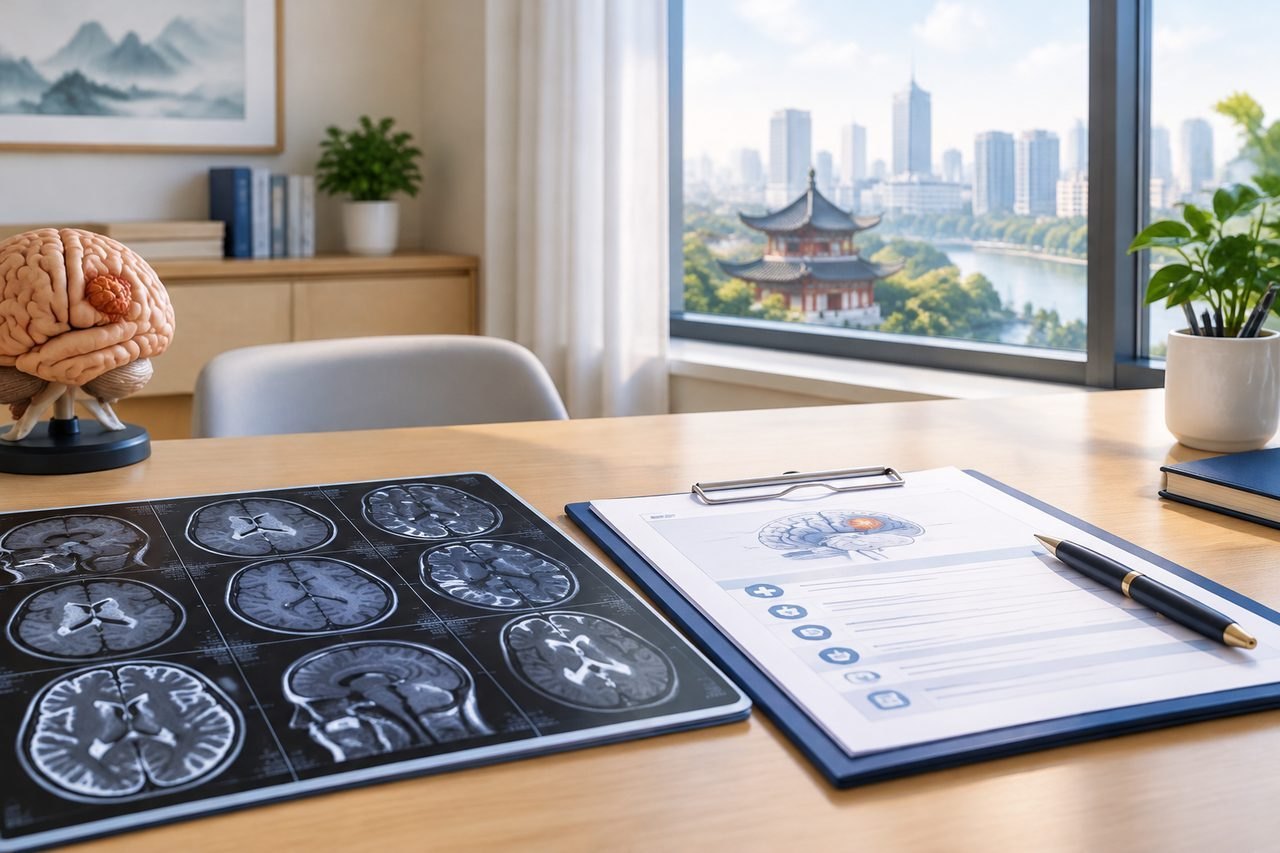
For a low-grade glioma, the decision often turns less on a single scan than on a sequence of scans. A tumour that looks the same across several studies supports one kind of decision; a tumour that has grown, changed character, or developed new enhancement supports another. An MDT should state plainly what the serial imaging shows and over what period.
Ask which scans the team reviewed, whether they were able to compare them directly, and what specifically changed or did not change. If the imaging is equivocal, ask what would make the picture clearer and whether that can be done before a decision rather than after. If previous scans exist only as reports or low-quality images, ask whether the original digital studies are needed.
This is also where you should ask what the team is not yet able to say. A discussion that acknowledges uncertainty about progression is more useful than one that presents a confident plan without explaining what it rests on. Ask what finding would change the recommendation, and how often the team would want to reassess if observation is chosen.
The decision question: observation versus treatment now
The central question for many low-grade glioma patients is whether to treat now or to monitor. An MDT should answer which option it favours for this patient, on what grounds, and what the alternatives are. It should also say what would trigger a change of course.
If observation is proposed, ask what monitoring means in practice: which imaging, how frequently, and who reviews the results. If treatment is proposed, ask what the goal is, what the options are, and why one is preferred over another for this tumour in this location. Ask about the risks the team considers most relevant to this patient, and what the recovery and follow-up would involve. These are questions for the treating clinicians; they are not decisions you can make from a written guide.
One administrative planning example may help here. If you are comparing a hospital in China with care closer to home, ask each provider the same four questions in writing: what is the diagnosis based on, what do the serial images show, what are the options, and what would change the plan. Comparable answers are what make a comparison meaningful. A reply that only offers an appointment without addressing these points does not yet answer your question.
Whether the hospital actually provides this format
No hospital is obliged to convene a joint multidisciplinary discussion for every patient, and the format varies. Some centres hold regular tumour board meetings; others coordinate opinions between departments without a single meeting. Neither arrangement is automatically better, but you should know which one you are being offered.
Ask directly, in writing: will my case be discussed jointly by more than one specialty? Which specialties will take part? Will I receive a written summary of that discussion, and in what language? Who is responsible for the final recommendation, and can I speak with that person? If the answer is that opinions will be gathered separately, ask how disagreements between departments are resolved and who coordinates them.
For an overseas patient, the timing question matters too. Ask when the discussion would take place relative to your travel, whether it can happen before you commit to coming, and what records it needs first. Do not treat a provisional appointment as confirmation that a joint review will occur. Confirm the format, the participants and the output before you plan around it.
ChinaSpecialistCare can help coordinate a records-based multidisciplinary review involving two or three relevant specialties for a complex case, with the scope and fee agreed first. This is a coordination service; the clinical assessment and any treatment decision remain with the treating hospital and its clinicians.
What to send, and what to ask next
The quality of an MDT discussion depends on the material it receives. For a low-grade glioma enquiry, the useful starting set is the pathology report, any molecular testing results, the imaging reports, and the original imaging studies if they can be shared. Ask the receiving team which of these it needs and in what format, rather than sending everything at once.
Keep the first message short. State the diagnosis as you understand it, the date of the most recent imaging, what has changed if anything, and the specific question you want answered. A brief summary is enough to begin; more detailed records can follow once you know what the team wants.
Then ask the questions that only this provider can answer: does it hold a joint discussion for this kind of case, which specialties attend, what written output you receive, what it needs from you first, and what it can and cannot conclude from records alone. A records-based review can inform a decision; it does not establish final eligibility, hospital acceptance or a treatment plan.
An initial enquiry with ChinaSpecialistCare is free. You can send a short summary of the diagnosis and your main question, and the team will identify what is missing and suggest the relevant next step. You do not need to purchase a proxy consultation to make that first contact.
Sources & scope of this guide
References and official service information relevant to this guide.
This is general planning information and has not been individually reviewed by a doctor. Medical decisions and personal treatment advice come from your treating clinicians.