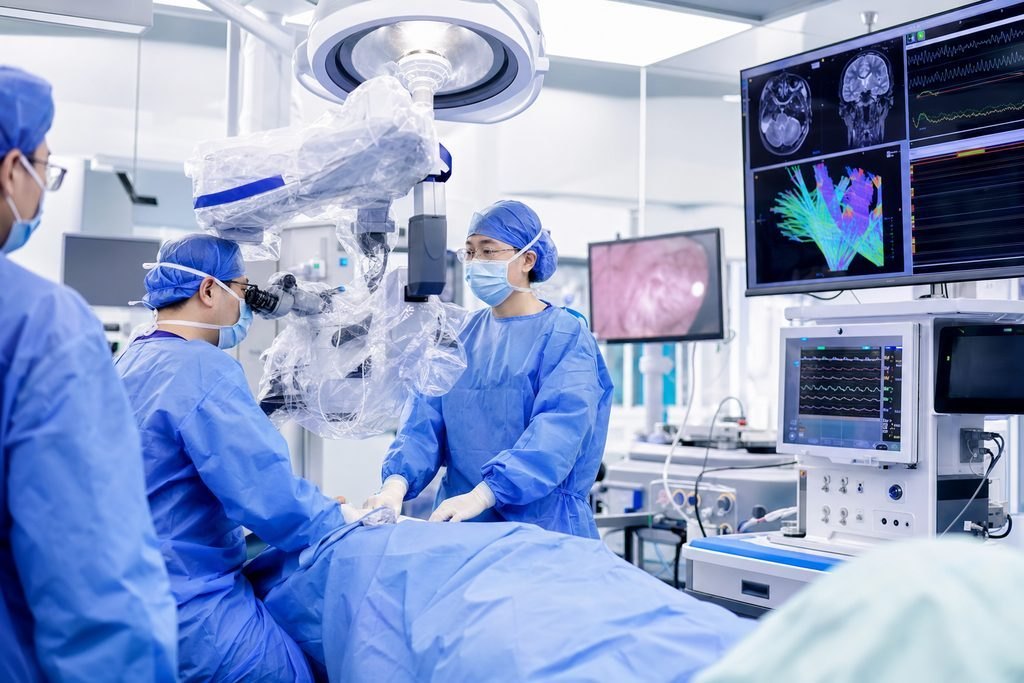
Procedures & recovery
Glioma Surgery in China: Understanding Brain Imaging and Pathology
Why brain imaging and pathology shape glioma surgery decisions in China, what records to prepare, and what to confirm with the treating team.
Patient guides · care in China
Learn what a specialist needs to review glioma surgery in China, what affects costs and how to prepare your records before travel.
Why brain imaging and pathology shape glioma surgery decisions in China, what records to prepare, and what to confirm with the treating team.
How to confirm glioma surgery steps in China separately from flights and hotels, so travel plans follow clinical decisions instead of driving them.
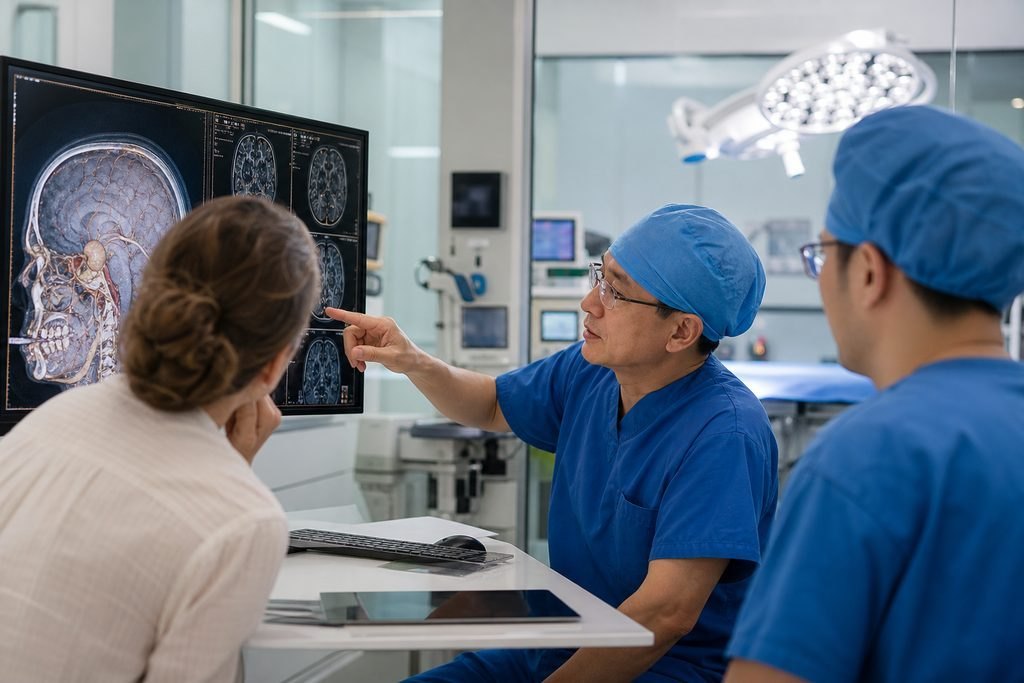
How to arrange an oligodendroglioma records review in China while keeping your current local treatment team fully involved and in charge.
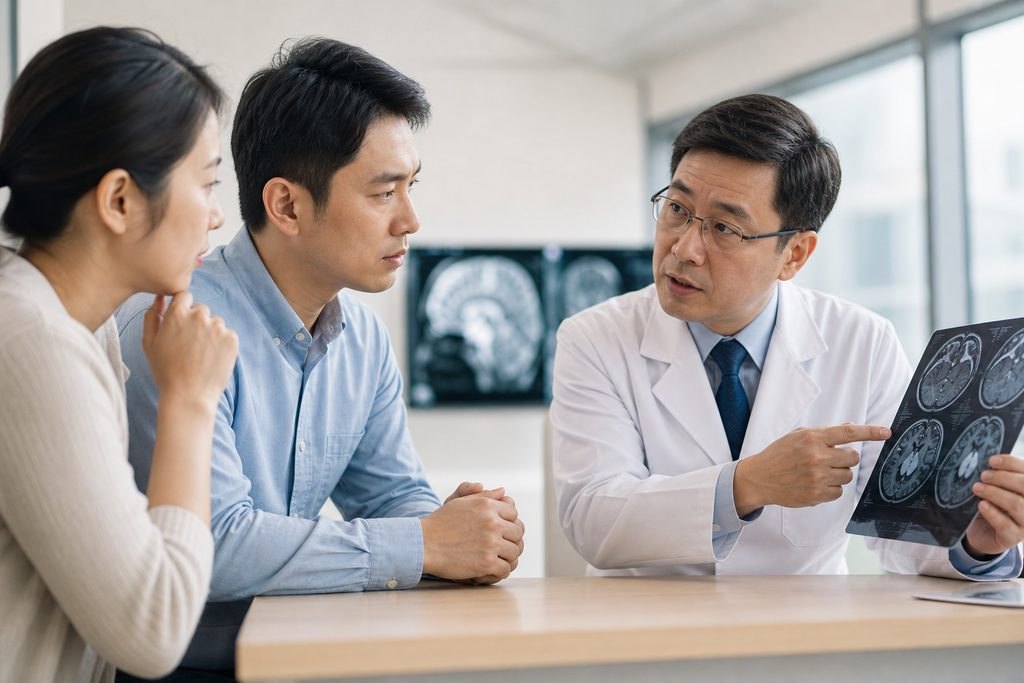
How to separate your personal goals from what a China clinical team can assess for a recurrent brain tumor, and what records and questions to prepare.
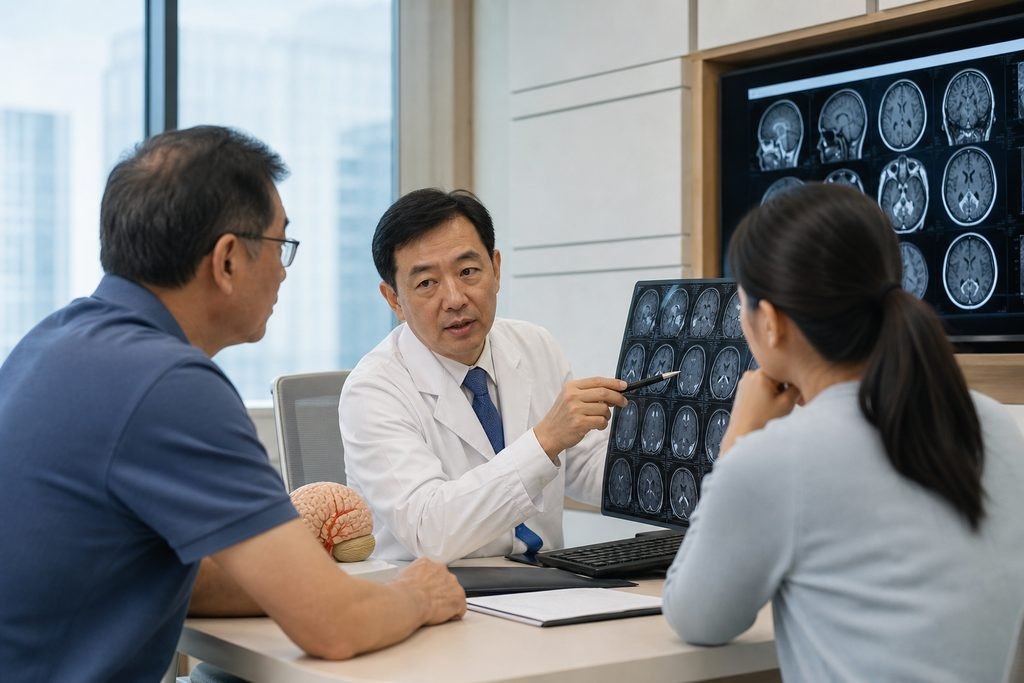
Missing glioma records for China surgery? Learn which documents to request, who to ask, and how gaps affect the next step before you travel.
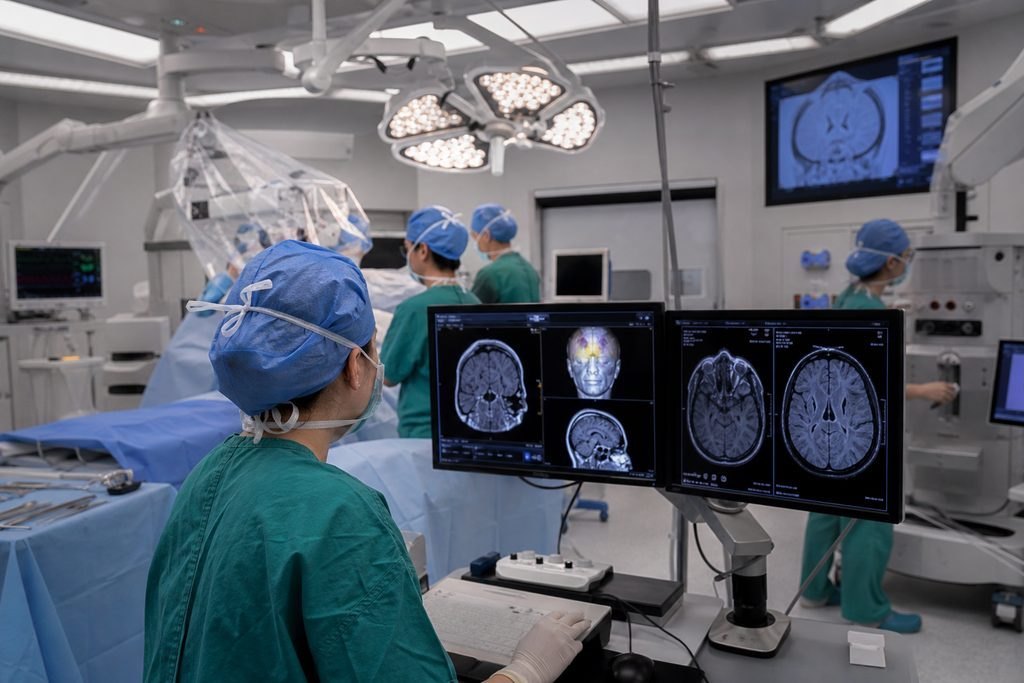
How to organise IDH mutation and 1p/19q codeletion reports for an oligodendroglioma review in China, and what to confirm with the treating team.
How to separate your personal goals from what a glioma team can actually assess, and what records and questions to prepare before seeking care in China.
After a first China oligodendroglioma visit, request a written quote naming service, payee, inclusions and exclusions, matched to your IDH and 1p/19q reports.
How to arrange a records-based low-grade glioma review in China while keeping your current local treatment team in charge and informed.
How to present serial MRI changes for a low-grade glioma review in China, what records to send, and which questions the treating team must answer.
How to prepare IDH and 1p/19q reports and earlier treatment records so a China neurosurgery team can discuss sequencing for an oligodendroglioma.
Before travelling for glioma surgery in China, confirm the department, campus, appointment type and who reviews your records, as a reply is not a booking.
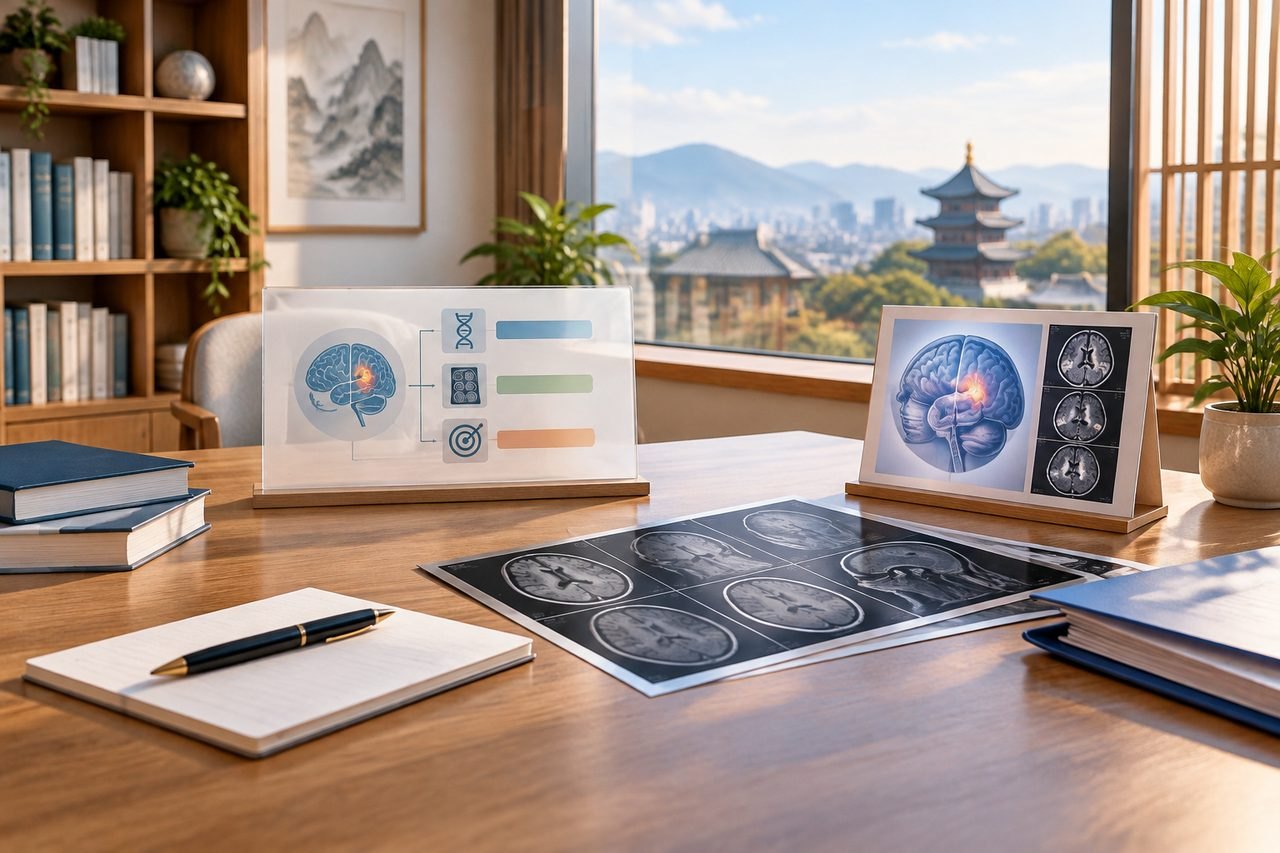
If your low-grade glioma recommendation changed, learn which diagnosis, imaging and goal details to compare before planning care in China.

Missing oligodendroglioma records in China can leave IDH and 1p/19q status unclear; learn which documents matter and how to prepare your questions.

Ask a China neurosurgery team what a glioma operation aims to achieve, what imaging and pathology they need, and how the surgical goal shapes later care.

A hospital reply may confirm receipt, request records, or begin formal review. Learn what each response means and what to send next for glioma surgery in China.
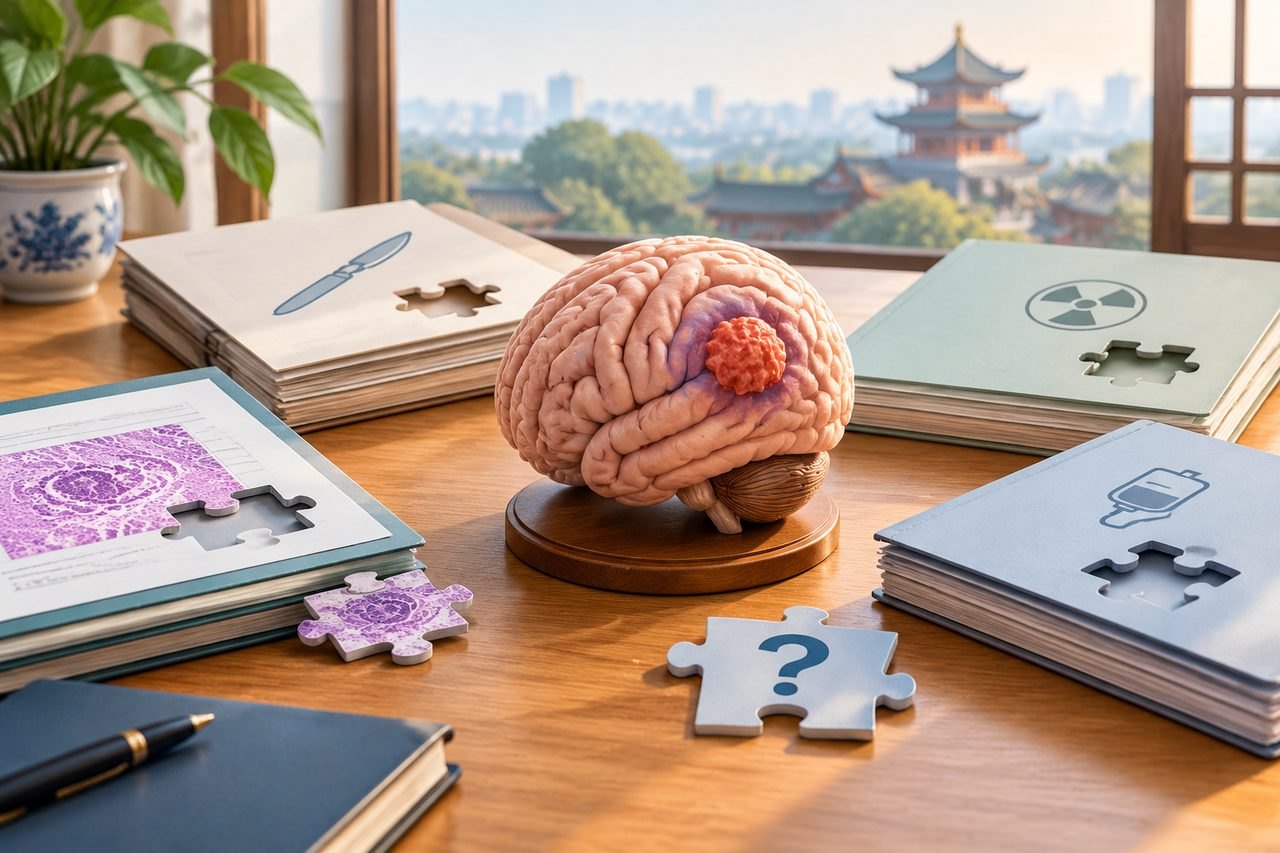
Missing pathology, surgery and radiation records can leave a recurrent brain tumor assessment unclear in China; learn what to ask the treating team to confirm.

How overseas patients can prepare molecular diagnosis records for a low-grade glioma review in China, and what to ask about MRI changes and observation.

How to discuss observation versus treatment for a low-grade glioma with a China care team: records, molecular diagnosis, serial MRI and questions to ask.
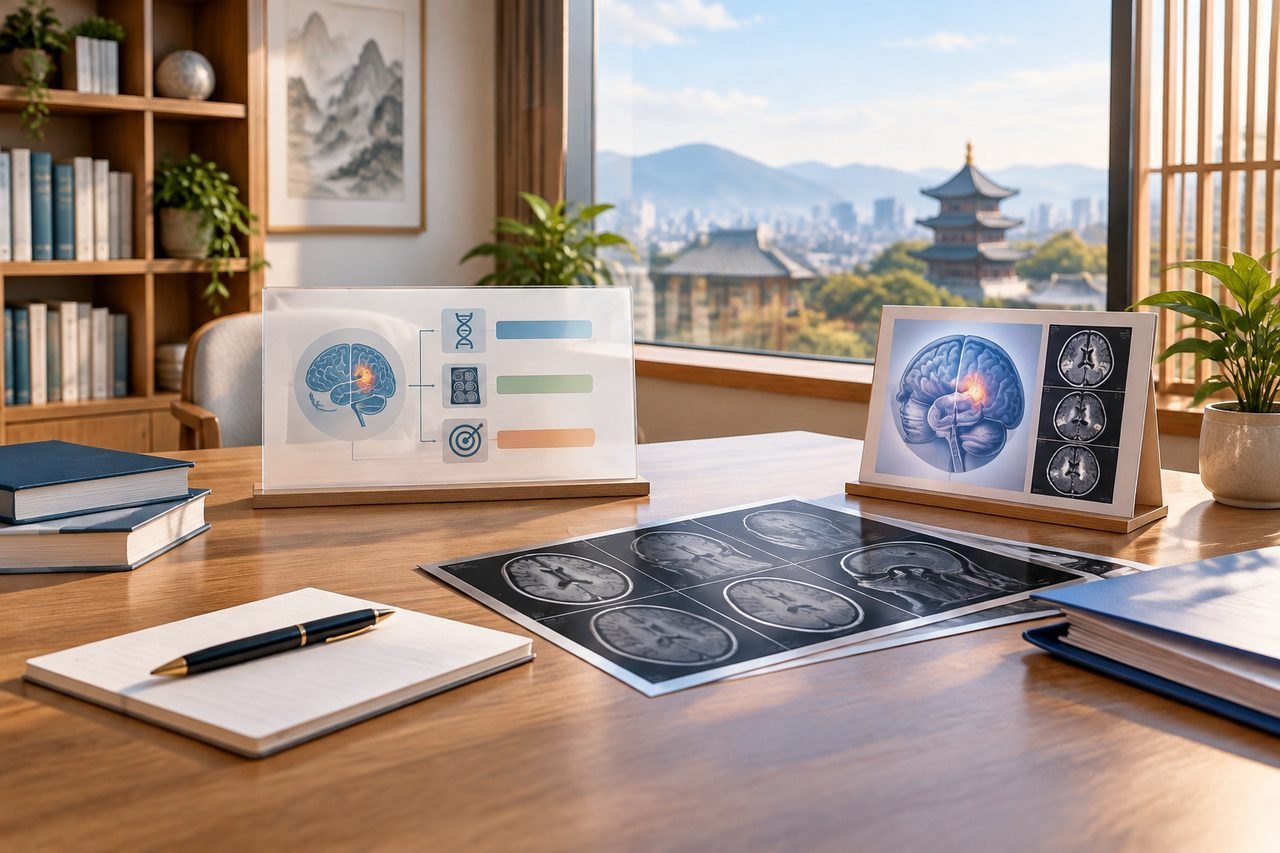
How to hand over records of existing health conditions for glioma surgery assessment in China, what the receiving team needs and what to confirm.
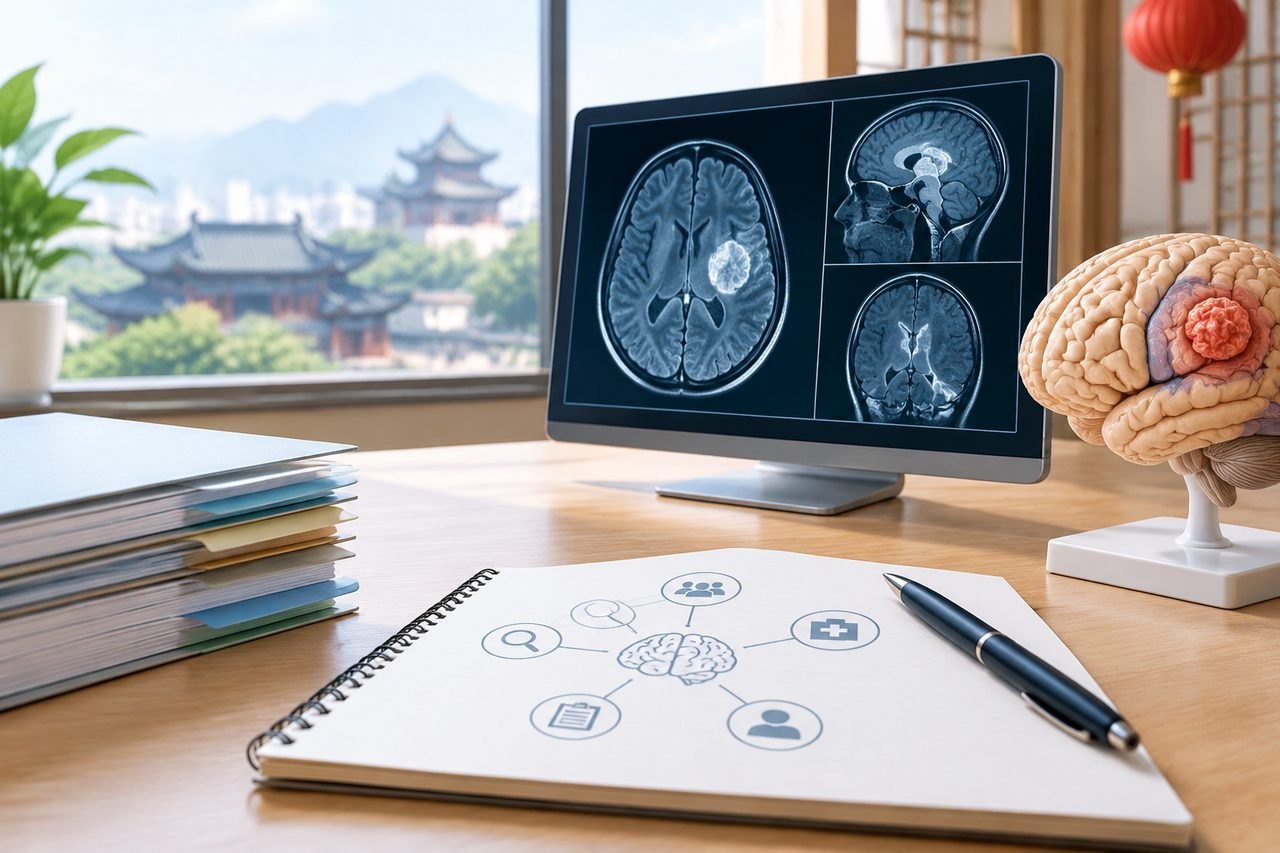
What a multidisciplinary discussion for recurrent brain tumor should answer, what records to send, and what to confirm before planning care in China.
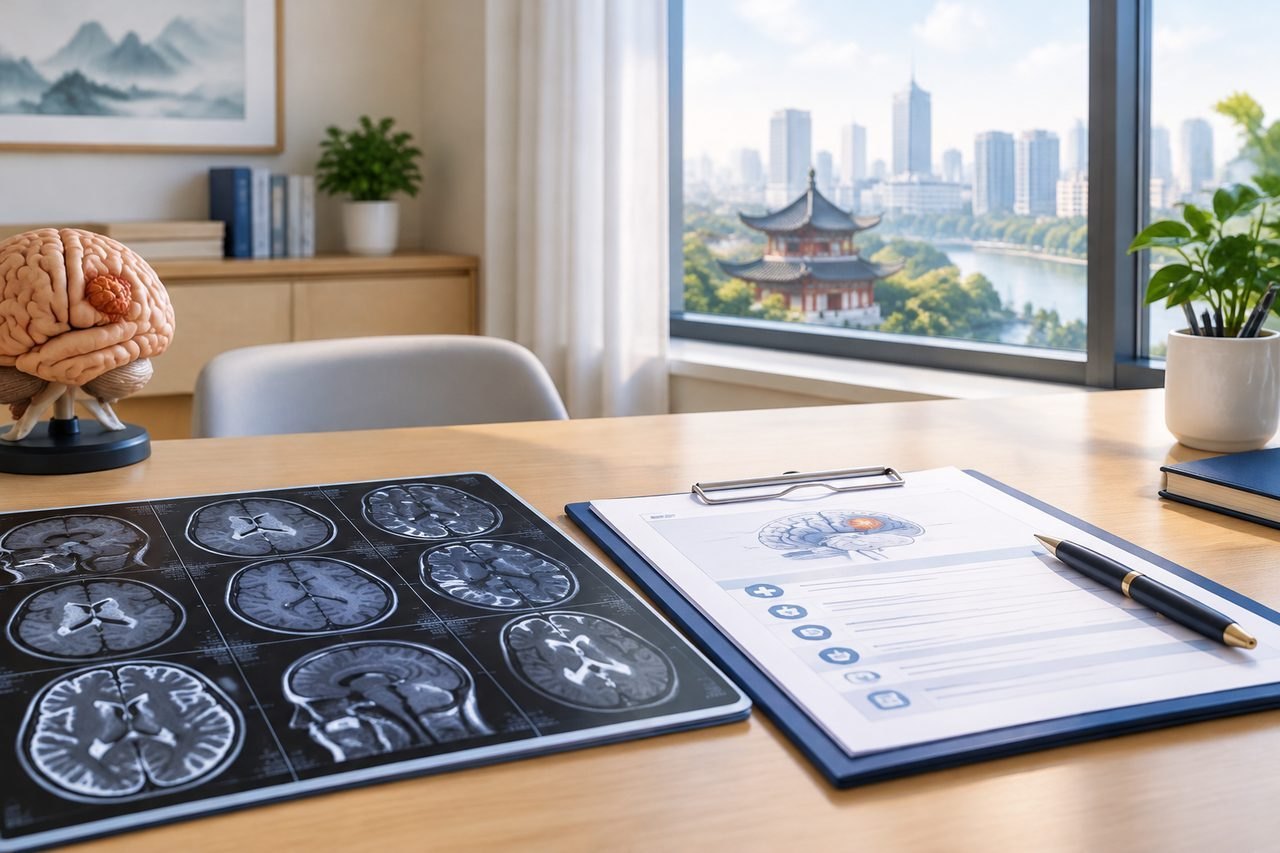
What a multidisciplinary discussion for low-grade glioma should answer before care in China, and how to confirm whether a hospital offers that format.
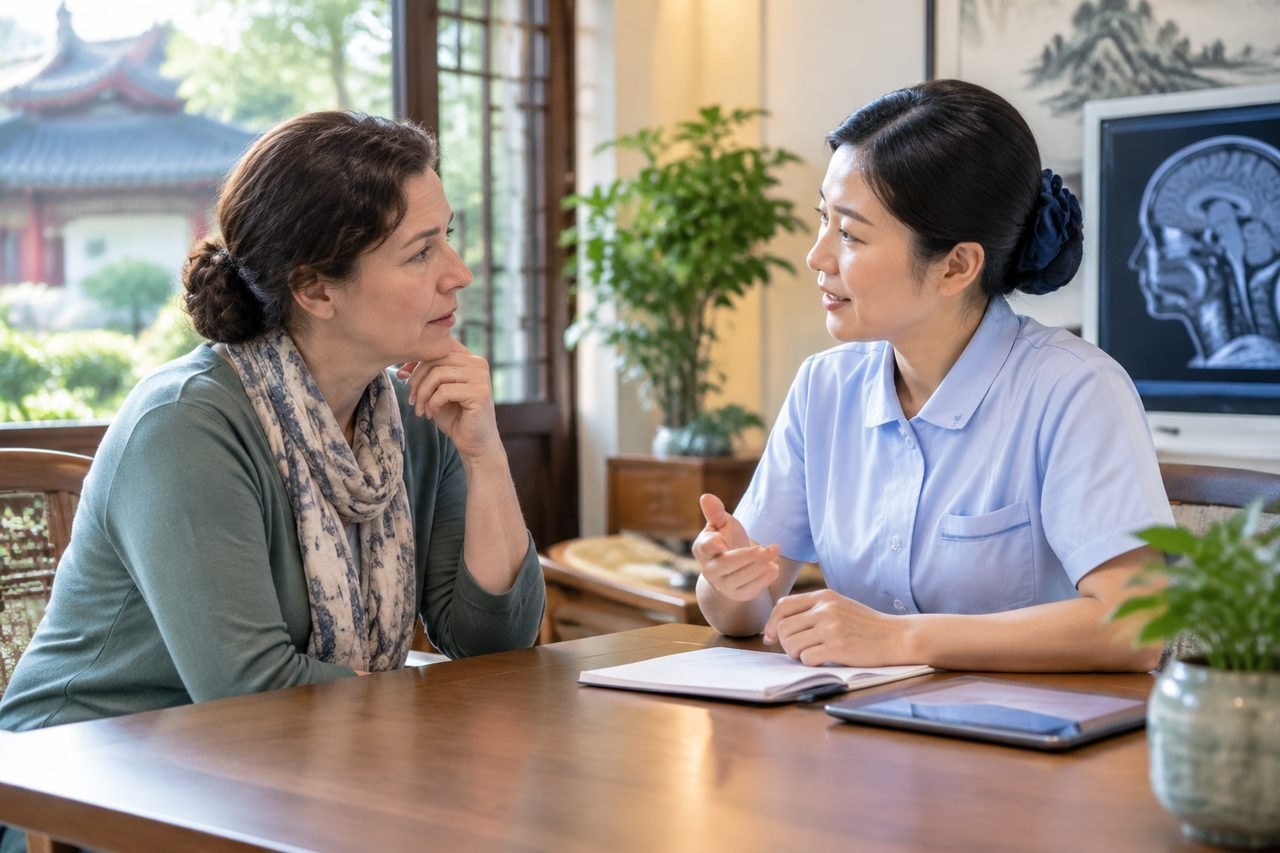
Present earlier oligodendroglioma treatment to a Chinese neurosurgery team: IDH and 1p/19q reports, treatment sequencing and what to confirm.
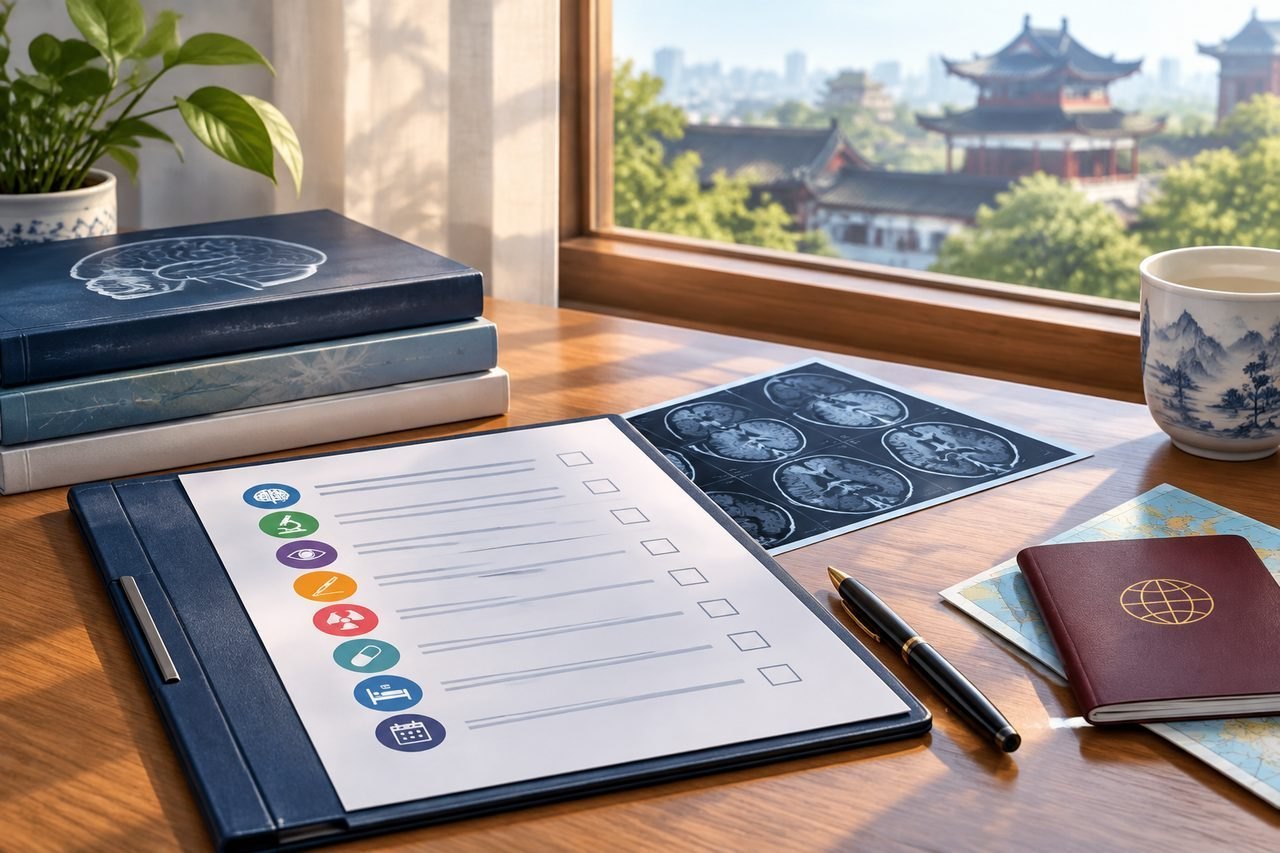
Why the previous tumor pathology, prior operation and radiation records shape a recurrent brain tumor review in China, and what to send before an enquiry.

How to prepare records and questions for a Chinese neurosurgery team when a brain tumor has returned and another intervention is being considered.

Some low-grade glioma questions need an in-person assessment in China. See what records can answer, what requires a clinician's exam, and how to prepare.
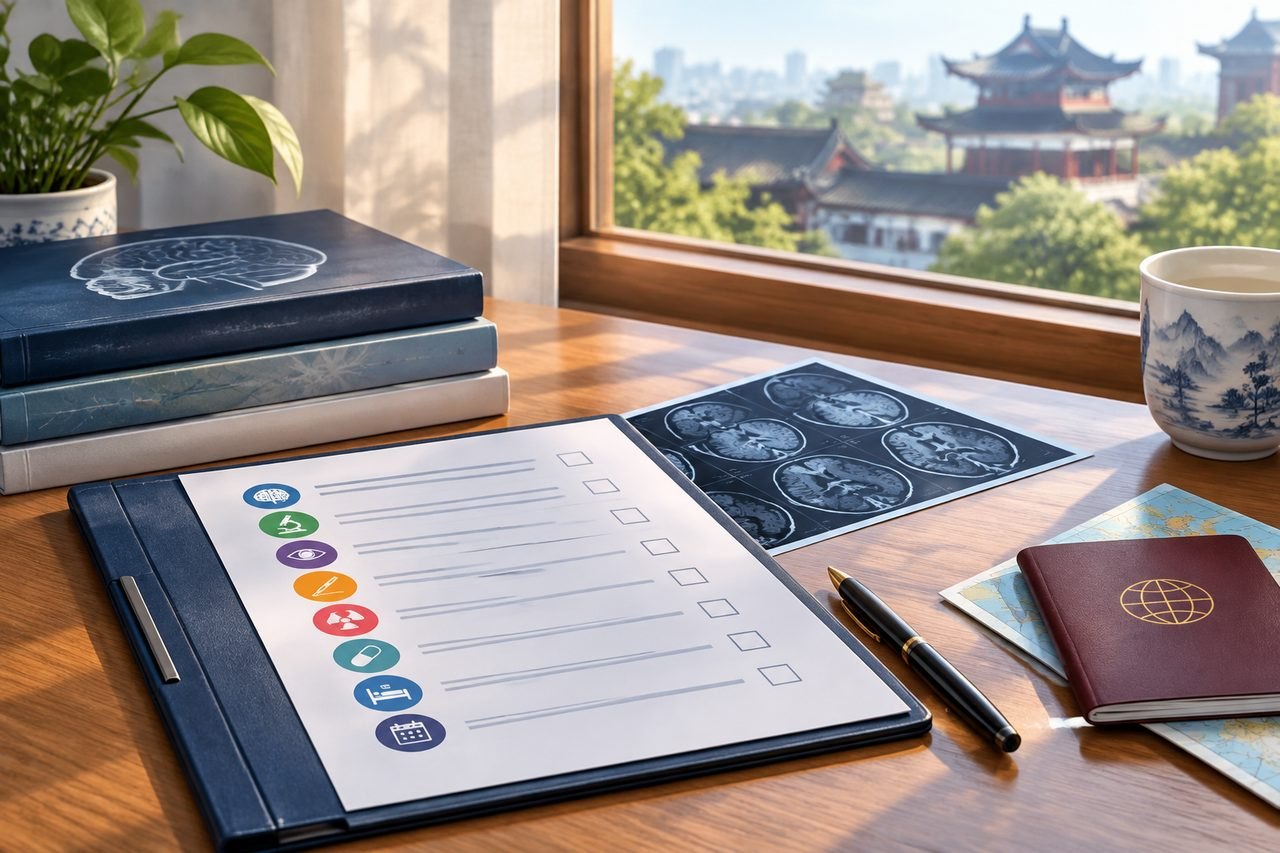
How to confirm what a low-grade glioma treatment quote in China includes beyond the first visit, using your MRI, pathology and molecular records.

How to exchange imaging, pathology and surgical questions between your home glioma team and a Chinese hospital before you commit to surgery.

What IDH and 1p/19q reports in an oligodendroglioma diagnosis should clarify before you ask a Chinese neurosurgery team about care.
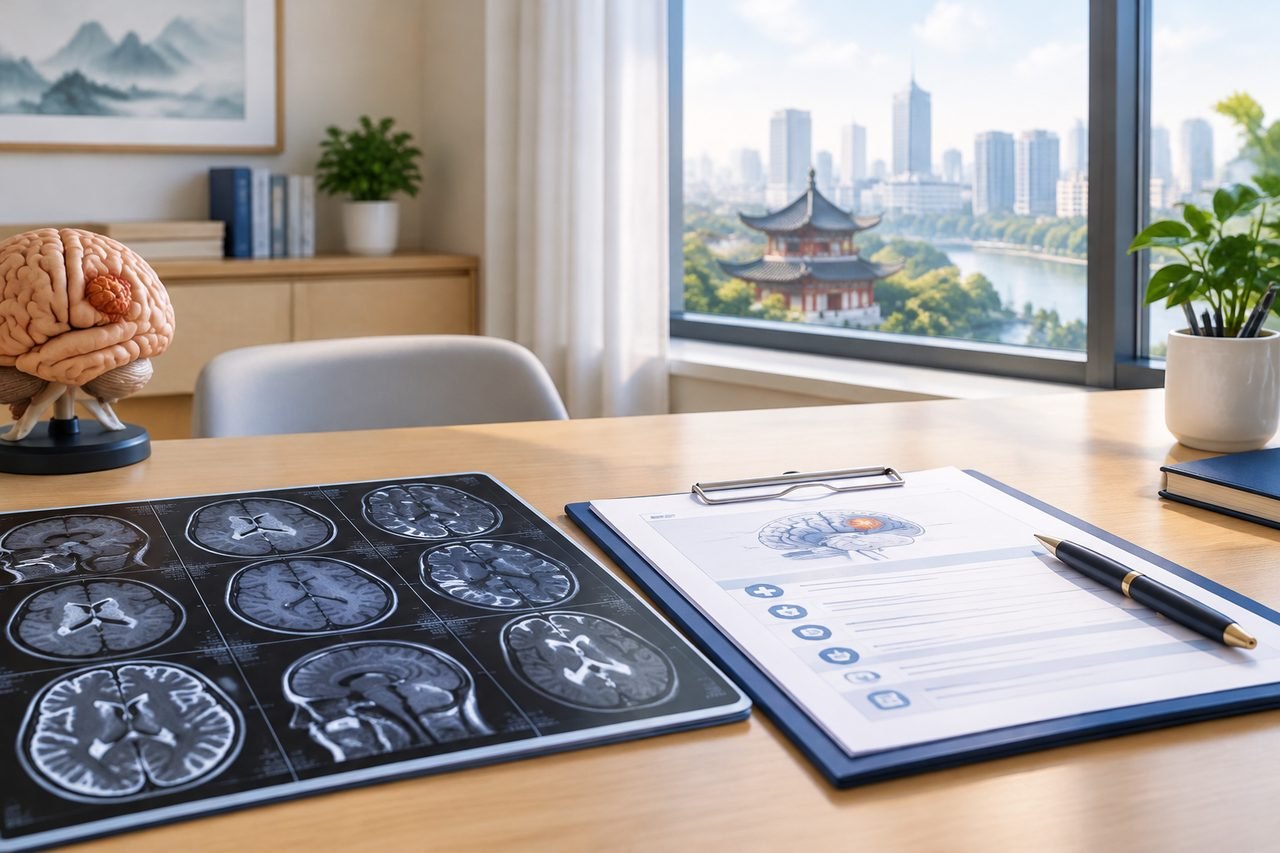
Before agreeing to glioma surgery in China, ask about the surgical goal, who reviews your imaging and pathology, and what the plan covers afterwards.

Which questions about a recurrent brain tumor can be answered from records, and which need an in-person assessment in China? Learn what to prepare and ask.

If your oligodendroglioma plan changed, learn which IDH and 1p/19q records, earlier treatment details and goals to verify before seeking care in China.

Learn what your glioma imaging and pathology already show, what a new assessment adds, and what to confirm before planning surgery in China.

Overseas patients with a recurrent brain tumor: settle handover records and long-term follow-up questions before and after care in China.
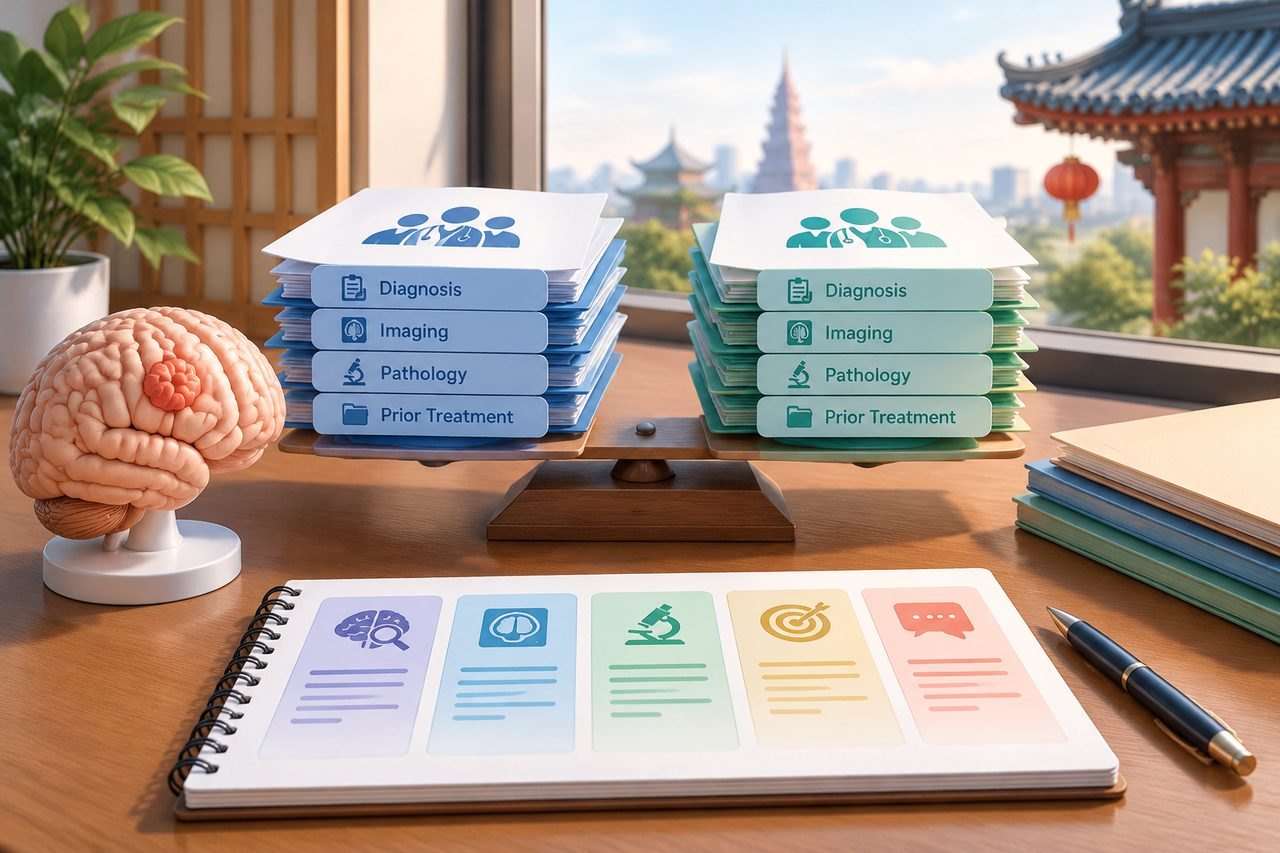
A changed brain tumor recommendation raises questions about diagnosis, records and goals. Learn what to compare and what to ask before care in China.
What an oligodendroglioma MDT discussion should answer before care in China, including IDH and 1p/19q reports, prior treatment and sequencing questions.