Why the IDH and 1p/19q reports are the first documents to sort
Oligodendroglioma is defined in part by molecular findings, so a pathology report that only says "glioma" or "low-grade glioma" does not answer the question a neuro-oncology team will ask. The two results that usually drive the discussion are the IDH status and the 1p/19q codeletion status. If either is missing, unclear, or reported from a different sample than the one being treated, that gap changes what can be reviewed remotely and what may need to be repeated or clarified.
This is not a diagnosis you should try to make from the report yourself. The point of sorting these documents before an enquiry is narrower: it lets the receiving clinician see whether the molecular information is complete enough to discuss the case, and it lets you ask specific questions instead of sending an archive and hoping someone reads it.
Assessment of an adult central nervous system tumour considers tumour type, site and grade along with the patient's circumstances, and treatment decisions are individual. That is the frame for everything below: the reports inform a clinical decision, they do not replace one.
What each report actually needs to say
For IDH, the useful detail is which gene and which result. Reports may describe IDH1 R132H by immunohistochemistry, or IDH1 and IDH2 by sequencing, and they may use terms such as mutant, wild-type, positive, negative, or not detected. A phrase like "IDH status pending" or "not performed" is different from a negative result, and the difference matters when a clinician is deciding whether the molecular picture is complete.
For 1p/19q, the useful detail is the method and the conclusion. Codeletion may be assessed by fluorescence in situ hybridisation, by loss of heterozygosity testing, by chromosomal microarray, or by a broader sequencing panel. Each method has different limitations, and a report that says "1p/19q intact" or "no codeletion detected" is not the same as one that says the test failed or was not ordered. If the report gives a percentage, a ratio, or a comment about polysomy, include that wording rather than summarising it.
It also helps to note the specimen. Was the molecular testing done on the original biopsy, on a later resection, or on a block that has since been exhausted? If the earlier treatment included surgery, radiotherapy, or chemotherapy, the receiving team will want to know which sample the molecular result came from and whether a newer sample exists.
Earlier treatment and sequencing: what the timeline should show
A molecular report on its own does not describe a patient. The receiving clinician needs to see what has already happened and in what order. That means a short, dated summary of surgery, any pathology from each procedure, radiotherapy if given, and systemic treatment if given, with the reason each step was taken if that is recorded.
The sequencing question is often the real reason for seeking a review. A patient may be asking whether the original diagnosis still holds, whether the earlier treatment was appropriate for an oligodendroglioma, or what options remain. Those are clinical questions, and they depend on the full history, not only on two molecular lines. But the history is much easier to assess when the molecular reports are attached to the correct time point rather than mixed into a general folder.
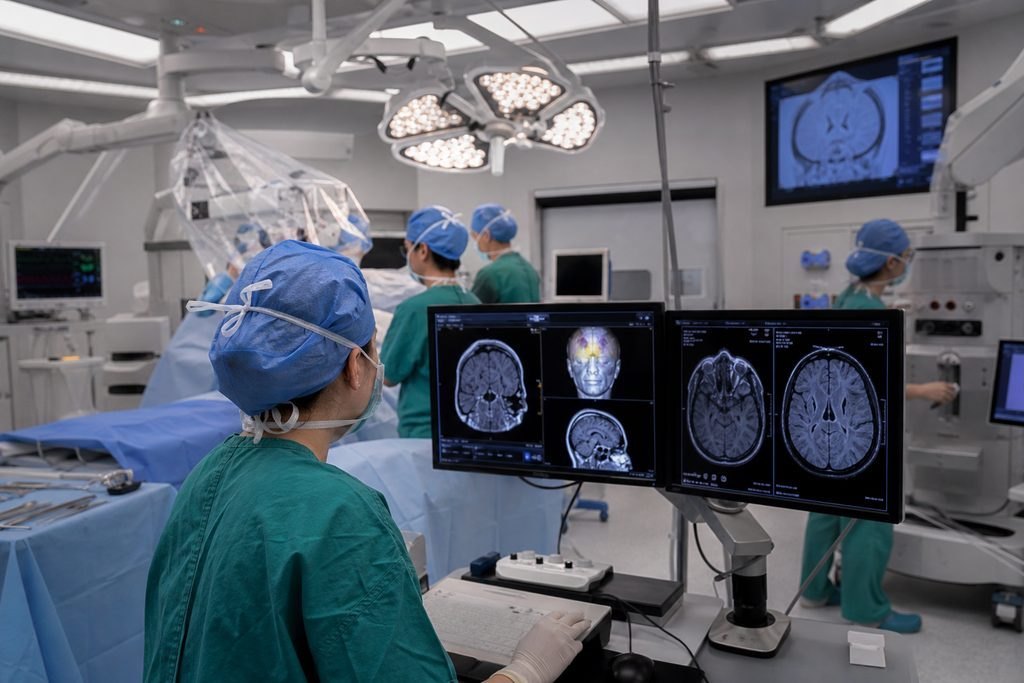
If imaging is available, include the reports and, where the hospital can accept them, the images themselves. A written imaging report describes what a radiologist saw; the images let a neuro-oncology team form its own view. Ask the receiving hospital what format and what medium it accepts before sending anything.
What a records-based review can and cannot settle
A records-based opinion can help clarify whether the molecular information is complete, whether the diagnosis appears consistent with the reported findings, and what further information the treating team would want. It cannot confirm hospital acceptance, cannot establish that a particular treatment is available to you, and cannot replace an in-person assessment where the clinician examines the patient and reviews the original material.
This distinction matters for planning. If your main question is "is my diagnosis correct?", the answer may require pathology re-review of slides and blocks, which is a separate step from a clinical opinion. If your main question is "what should I do next?", the answer depends on the full history and on what the treating team can offer after it has seen you or your records. Neither question is answered by a generic document checklist.
For a complex case that crosses neurosurgery, neuro-oncology, and pathology, a review involving more than one specialty may be appropriate. The scope and fee for that kind of review are agreed before it starts, and it is not a prerequisite for every appointment.
Practical preparation before you contact a hospital in China
Start with a one-page summary in English: the current diagnosis as you understand it, the date of the most recent pathology, the IDH result, the 1p/19q result, and the treatments already received with dates. Then attach the actual reports in the order you refer to them. This is faster for a clinician to read than a folder of unsorted scans, and it makes gaps obvious.
Keep the original documents. Send copies, and ask before sending anything that cannot be replaced. If a report is in a language other than English or Chinese, ask the receiving hospital whether a certified translation is needed and who should provide it.
Prepare the questions you actually want answered. For example: does the molecular report need to be repeated or confirmed? Is pathology re-review of the original slides and blocks needed? What additional records would the team want before it can discuss treatment sequencing? What is the process for sharing imaging? Write these down so the reply addresses them.
- One-page English summary with dates and the two molecular results.
- Copies of the original pathology reports, including any addendum or molecular section.
- Operative notes and discharge summaries for each procedure.
- Radiotherapy and systemic treatment records, with dates and agents if known.
- Imaging reports, and images in the format the hospital confirms it accepts.
- A short list of your specific questions, in priority order.
What to confirm before you send anything
ChinaSpecialistCare provides non-clinical coordination for international patients considering care in China. For an oligodendroglioma enquiry, that can include checking whether the IDH and 1p/19q reports are present and legible, identifying what appears to be missing, and suggesting the relevant next step, such as a specialist appointment request or a records-based opinion. The team does not diagnose, does not decide suitability, and does not guarantee hospital acceptance.
An initial enquiry is free and can start with a brief summary rather than a complete archive. If you later want a records-based opinion from a relevant hospital specialist while you remain at home, that is an optional service with a fee agreed in advance; it is not required before an appointment. Hospital consultation fees, tests, treatment, and medicines are paid to the hospital or provider and are separate from coordination fees.
The relevant reference page for the surgical side of glioma care is linked below. It describes the procedure context; it does not replace the molecular review described here.
Sources & scope of this guide
References and official service information relevant to this guide.
This is general planning information and has not been individually reviewed by a doctor. Medical decisions and personal treatment advice come from your treating clinicians.