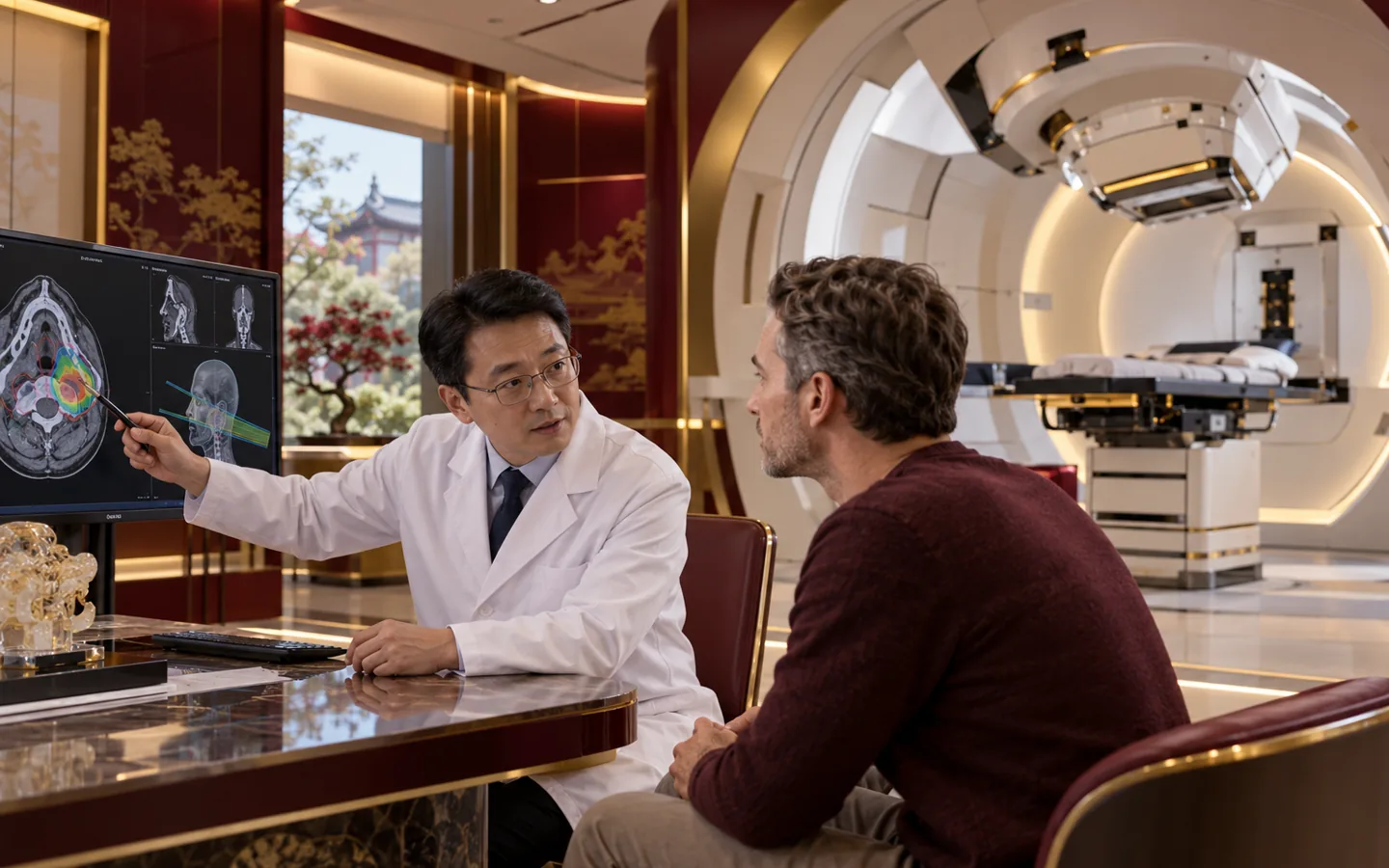
Carbon ions combine a distinct dose distribution with distinct biology
Carbon ion beams have physical properties that can limit exit dose and a higher relative biological effectiveness than conventional photons. These features create interest for selected radioresistant or anatomically difficult tumours.
The treatment is not simply a stronger version of proton therapy. Dose units, planning assumptions and clinical evidence are specialized, and experience from one disease or centre cannot be generalized to every tumour.
Ask whether the recommendation is supported by comparative evidence, prospective data or mainly institutional experience for this specific tumour.
Who may be considered?
This pathway may be discussed when the confirmed diagnosis, disease extent and treatment history make carbon ion radiotherapy a reasonable question—not simply because the technology is available.
- Selected unresectable or difficult tumours considered relatively resistant to conventional radiation.
- A localized disease pattern where particle treatment can cover the target safely.
- A possible retreatment case requiring detailed reconstruction of prior dose.
- A patient for whom surgery or another standard local treatment is not suitable.
- A person seeking an independent review of a carbon-ion recommendation and alternatives.
What the specialist team must confirm
Specialists confirm pathology, size, site, proximity to critical structures, motion, metastatic status, previous operations and radiation. They assess whether immobilization and planning can safely cover the target and whether the evidence applies to the exact clinical setting.
Key points for this treatment
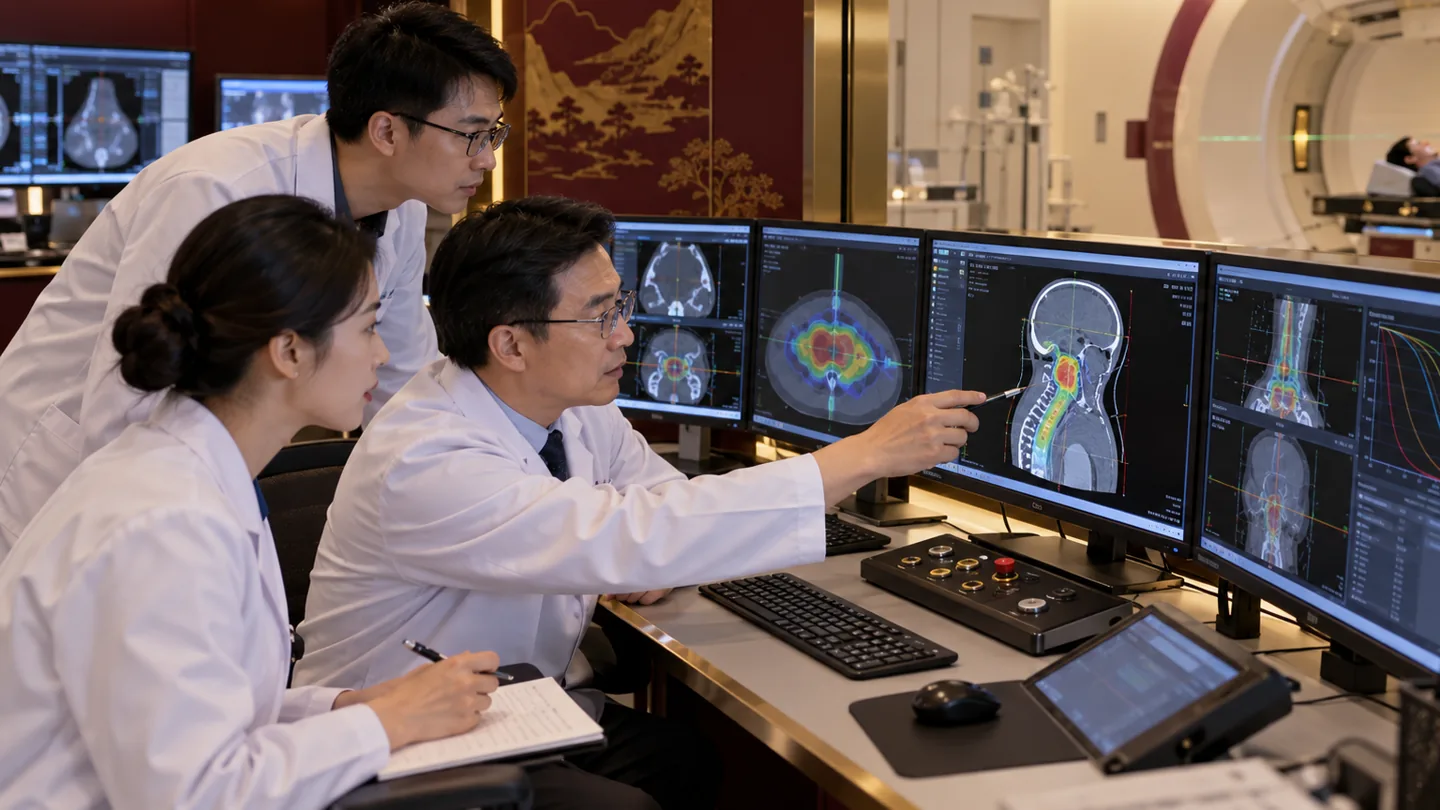
From rare indication to specialist-centre review
Because access and evidence are limited, the pathway starts with independent confirmation of diagnosis, disease extent and reasonable alternatives.
Response review and cross-border continuity
Treatment response may evolve over months and must be interpreted with the tumour type and expected radiation changes. The treating centre should provide a complete plan summary for the patient’s local team.
International patients need a clear plan for managing acute effects, late toxicity and disease progression after returning home. A technology-focused course should not fragment the wider oncology plan.
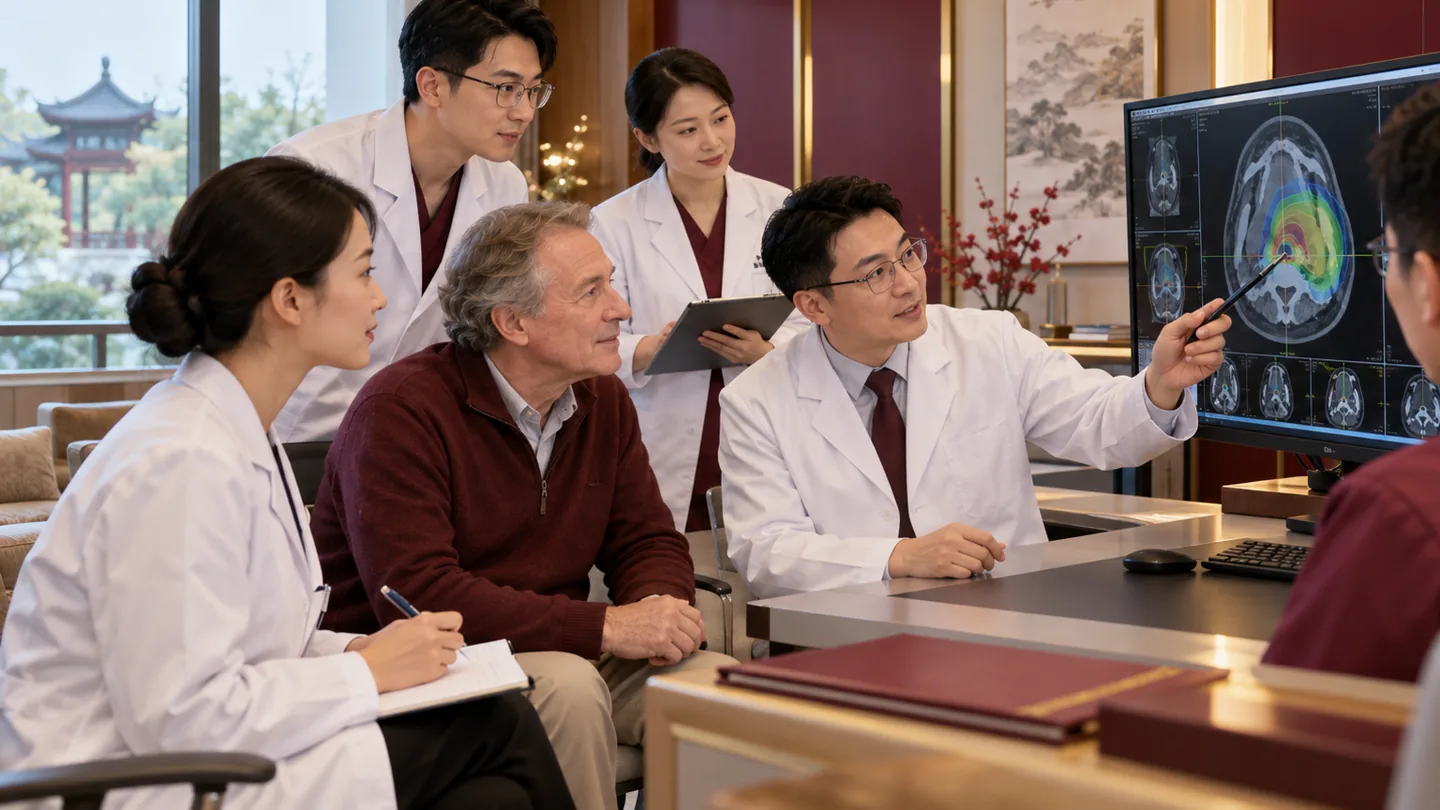
Limits, burdens and realistic expectations
High biological effect can injure normal tissue as well as tumour. Long-term comparative evidence is limited for many indications, centres use specialized models, and access and cost are substantial. Carbon ions do not treat widespread disease and do not guarantee local control.
Do not postpone urgent local care for spinal compression, airway compromise, bleeding, severe pain or rapidly progressive neurologic symptoms while seeking particle treatment.