
Home / Neurosurgery / Cerebral Bypass Surgery
Neurosurgery patient guide · 脑血管搭桥术

Cerebral Bypass Surgery in China

Considering cerebral bypass surgery in China? Start with vascular studies, blood-flow questions and surgical review. This guide helps you identify the relevant records, questions for the receiving team and the scope of an individual estimate before a visit is agreed.

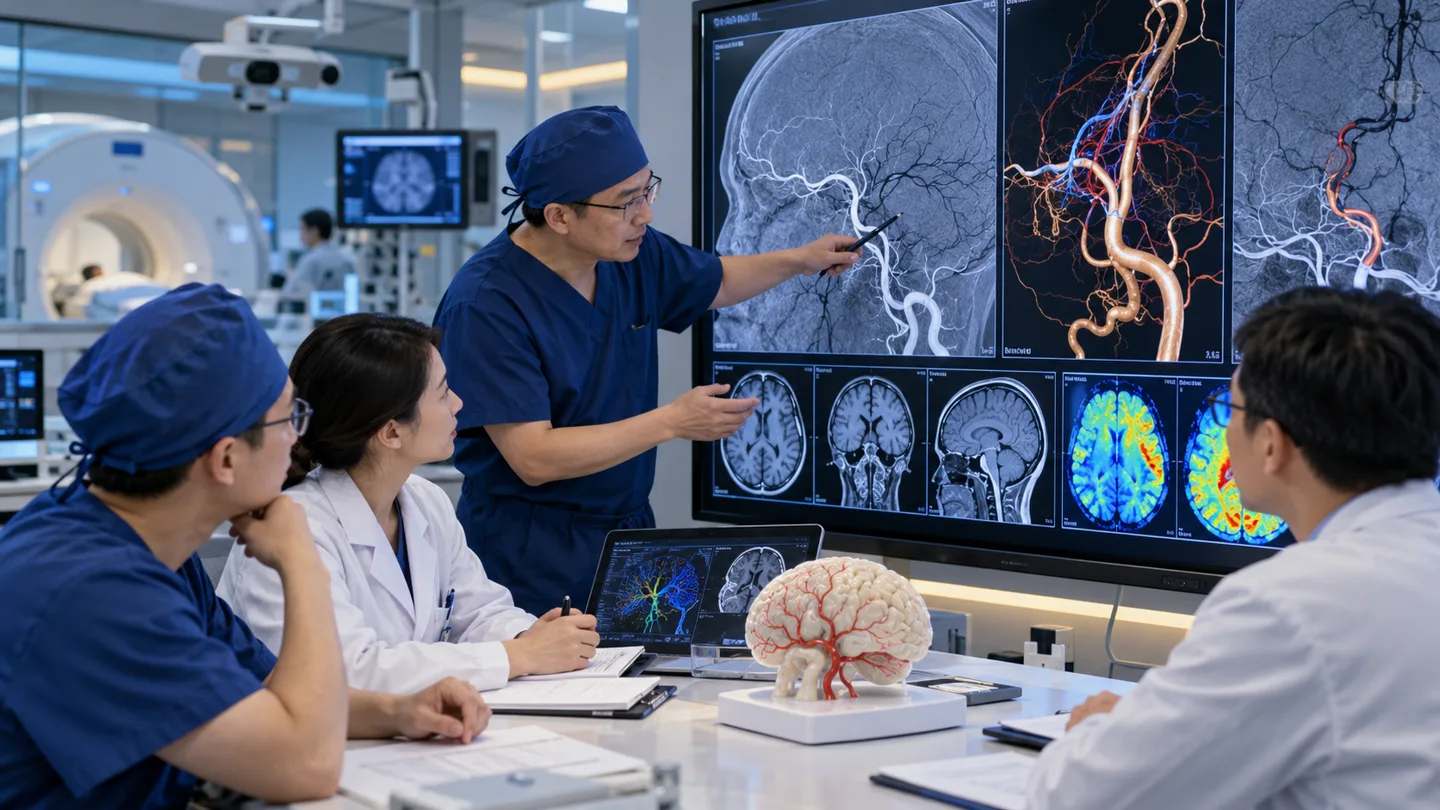
Chinese cerebrovascular neurosurgeon explaining cerebral bypass and perfusion findings to an international family

Medical records & cost enquiry

Cerebral Bypass Surgery: assessment and cost questions

For Cerebral Bypass Surgery, the budget depends on the proposed care and the hospital. A useful estimate needs to distinguish:

  • The vascular problem and bypass plan
  • Graft and additional imaging requirements
  • Admission and postoperative monitoring

Hospital medical fees, travel and our coordination services are separate. Any paid specialist review or coordination service is explained and agreed before you proceed.

Your next step

Start with your question

Tell us your diagnosis and what you need. Our free initial review checks the information and helps identify a suitable next step; it is not a specialist opinion or a hospital quotation.

Request a case-based estimate

Not ready to send records? Ask us first. Where hospital review is appropriate, we can help request an estimate. No travel commitment or mandatory proxy consultation.

Planning cerebral bypass surgery in ChinaHospital review · individual costs · visit and follow-up

Plan the visit around vascular studies, blood-flow questions and surgical review. Agree the assessment route before travel.

Records for the cerebral bypass surgery review

Tell us what you already have: Brain MRI and infarct imaging; CTA MRA and catheter angiography; Perfusion and reserve testing. Start with a short summary; after first contact we explain which records the receiving team needs and how to share them.

Confirm the proposed scope and costs

Before asking for a personal estimate, clarify: The vascular problem and bypass plan; Graft and additional imaging requirements; Admission and postoperative monitoring. The receiving team confirms the proposed scope and hospital charges; coordination is agreed separately.

Visits and care after returning home

Ask what evidence the team needs to assess the proposed bypass and how postoperative review would connect with local care. Tell us if you need interpretation or English-language documents, and confirm the relevant arrangements with the receiving team.

Cerebral bypass creates an additional route for brain blood flow

Direct bypass connects a scalp artery to a brain artery for immediate flow. Indirect methods place vascularized tissue against the brain so new vessels can develop over time.

It is established for selected moyamoya disease and used selectively for complex occlusive or aneurysm problems. A blocked artery alone does not prove that bypass will help.

Hemodynamic failure must be demonstrated

Symptoms, infarct pattern, collateral circulation and perfusion reserve should support the proposed bypass strategy.

Who may be considered?

Specialist review may help when the diagnosis, symptoms and previous treatment create a focused question about cerebral revascularization bypass surgery.

  • Moyamoya disease with ischemic symptoms or impaired perfusion.
  • Selected recurrent ischemia despite appropriate medical treatment.
  • A complex aneurysm requiring flow replacement before vessel sacrifice.
  • Progressive pediatric or adult disease considered for indirect or combined revascularization.

What the specialist team must confirm

The cerebrovascular team reviews MRI infarct pattern, CTA or MRA, catheter angiography, perfusion with reserve testing, collateral pathways, donor and recipient vessels, previous strokes, antiplatelet therapy, blood pressure and the underlying diagnosis.

Key points for this treatment
Purposeaugment blood flow to the brain
Usesselected moyamoya or complex occlusion
Planningangiography and perfusion reserve
Riskperioperative stroke or hyperperfusion
Chinese cerebral bypass team planning donor recipient vessels with angiography and perfusion imaging
Flow demand and vessel anatomy must alignThe team selects direct, indirect or combined methods according to age, diagnosis, recipient vessels and urgency of flow improvement.

From perfusion failure to a tailored revascularization plan

The purpose and expected timing of new flow differ between immediate direct bypass and gradual indirect neovascularization.

DiagnoseDefine disease and stroke mechanism
MeasureAssess perfusion reserve and collaterals
ConnectCreate direct or indirect revascularization
ProtectManage pressure flow and antiplatelet therapy

Blood-flow management is critical after bypass

Early care balances low-flow ischemia against hyperperfusion, while monitoring neurologic function, graft patency and bleeding.

Later imaging checks bypass and collateral development. Stroke prevention, hydration and blood-pressure advice depend on the underlying disease.
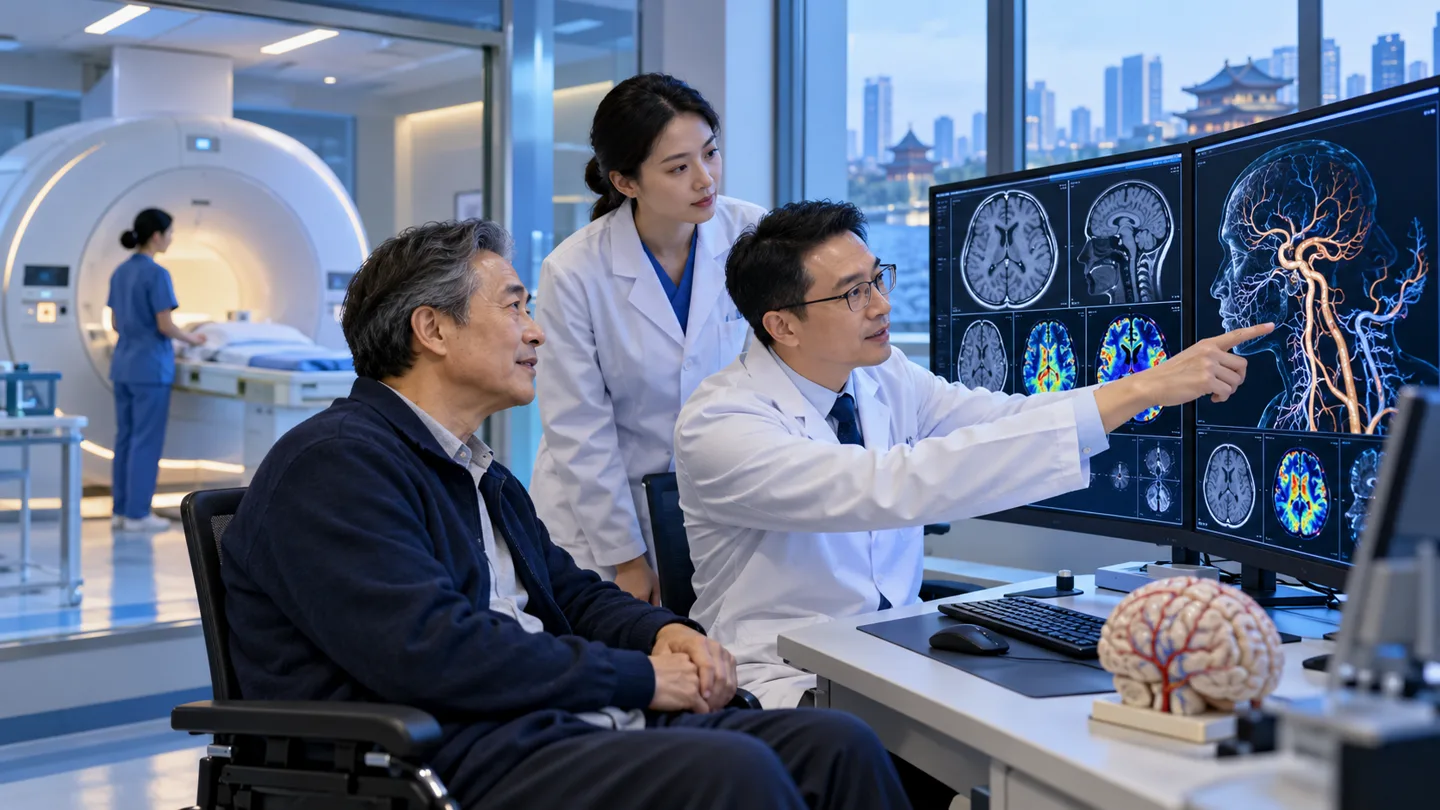
International patient completing neurologic perfusion and vascular follow-up after cerebral revascularization
Patency and tissue perfusion are both outcomesA visible graft must deliver useful flow without causing hyperperfusion or compromising other territories.
Patent bypassTrack perfusion and symptoms
Indirect growthAllow time for collateral development
HyperperfusionControl pressure and treat promptly
Persistent ischemiaReassess flow and other causes

Risks, limits and realistic expectations

Risks include perioperative stroke, brain hemorrhage, graft occlusion, hyperperfusion syndrome, seizures, infection, wound problems and death. Evidence and benefit differ substantially by diagnosis.

Do not delay urgent local care

New weakness, speech or vision loss, seizure or severe sudden headache requires emergency local stroke assessment.

Before hospital review

Records for cerebral bypass surgery assessment

A safe international review depends on dated source reports, original imaging and a complete treatment timeline—not a diagnosis label alone.

Brain MRI and infarct imaging
CTA MRA and catheter angiography
Perfusion and reserve testing
Stroke and TIA timeline
Neurologic and cognitive baseline
Antiplatelet and blood-pressure history
Previous vascular intervention records
All postoperative patency imaging

Tell us what you need

Ask about your care,
your hospital and your budget.

You can ask about suitability, an expert opinion, an appointment or the likely medical cost. If you are unsure, choose “Not sure — please advise”.

This enquiry is aboutCerebral Bypass SurgeryNot sure — please advise

How a personal estimate is prepared

  1. Tell us about your case.Describe your diagnosis, main question and preferred city, if any.
  2. Share the relevant records.We explain what is needed and how to send it by WhatsApp or email.
  3. Request a hospital estimate.Where appropriate, we help request hospital review and a cost estimate. Any paid review is agreed first.

This is an enquiry, not an order or payment. Proxy consultation is not mandatory. Any service scope is agreed separately before you proceed.

Ask about Cerebral Bypass Surgery

A first enquiry is free. Email and permission to respond are required; the other details are optional. Any paid clinical review or coordination is discussed separately.

Included automatically so we know which procedure you are asking about.
A preference, not a confirmed appointment.
Please do not send passport numbers, card details or full medical files in this first enquiry. We will explain which records are needed next.

Send a short summary first. This is an enquiry, not an order, payment or confirmed appointment.

No booking or payment is made by sending this enquiry.
Editorial transparency

Medical sources

Patient information is based on established government and professional guidance. Content updated 5 October 2026. This is patient information, not an individual clinical assessment.