
IBD treatment targets inflammation and complications, not symptoms alone
Crohn disease may affect any digestive segment and involve the full bowel wall, while ulcerative colitis affects the colon lining in a continuous pattern. Both can have symptoms outside the gut.
Pain, diarrhea and fatigue may reflect active inflammation, infection, scar narrowing, bile-acid problems, anemia or functional overlap. Objective markers help avoid unnecessary escalation or delay.
Drug name, dose, duration, reason for stopping, antibody or level results, endoscopic response and side effects are more useful than a list marked “failed.”.
Who may be considered?
Specialist review may help when the diagnosis, symptoms and previous treatment create a focused question about Crohn disease and ulcerative colitis care.
- A new suspected diagnosis needing confirmation and classification.
- Persistent symptoms despite current treatment.
- Steroid dependence, fistula, abscess or stricture.
- Longstanding colitis requiring dysplasia surveillance or surgical discussion.
What the specialist team must confirm
Review includes colonoscopy and pathology, small-bowel imaging, stool infection tests, fecal calprotectin, inflammatory markers, nutrition, anemia, perianal disease, prior surgery, vaccination and infection screening and every previous biologic, small molecule or immunosuppressive treatment.
Key points for this treatment
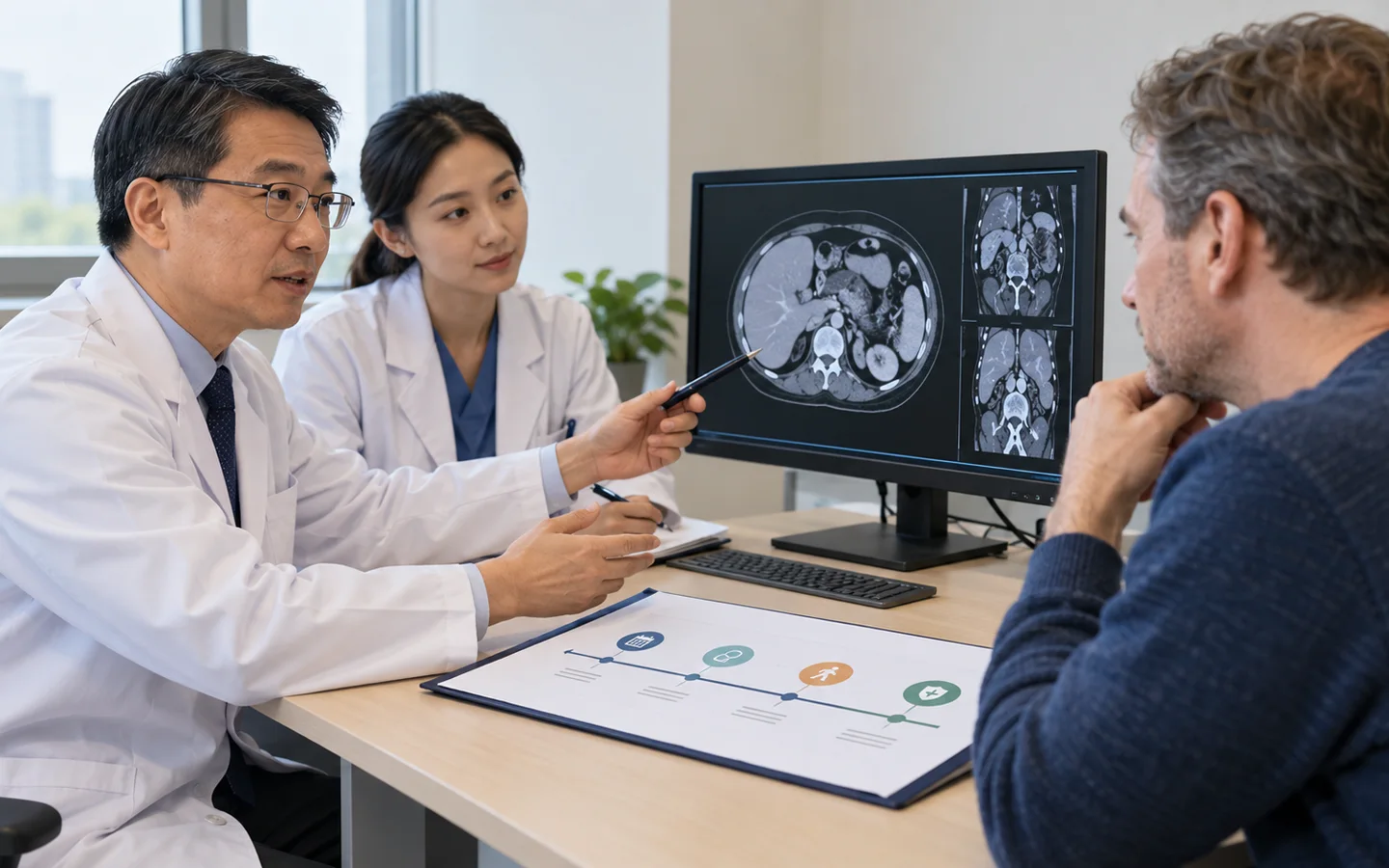
From objective activity assessment to treat-to-target care
The team sets measurable goals such as symptom control, biomarker improvement, mucosal healing and prevention of hospitalization or surgery.
Remission still requires monitoring
Blood tests, stool markers, symptoms and medicine safety are reviewed at planned intervals. Endoscopy or imaging checks whether internal inflammation matches how the patient feels.
Vaccination, bone health, nutrition, pregnancy, infection prevention and colorectal-cancer surveillance form part of long-term care. Surgery is not a failure when it treats irreversible complications.

Risks, limits and realistic expectations
Medicines can cause infection, organ toxicity and rare malignancy risks; surgery can recur in Crohn disease and changes bowel function in colitis. No strategy guarantees permanent remission.
Severe abdominal pain and swelling, high fever, persistent vomiting, heavy bleeding, dehydration or inability to pass stool and gas requires urgent local care.