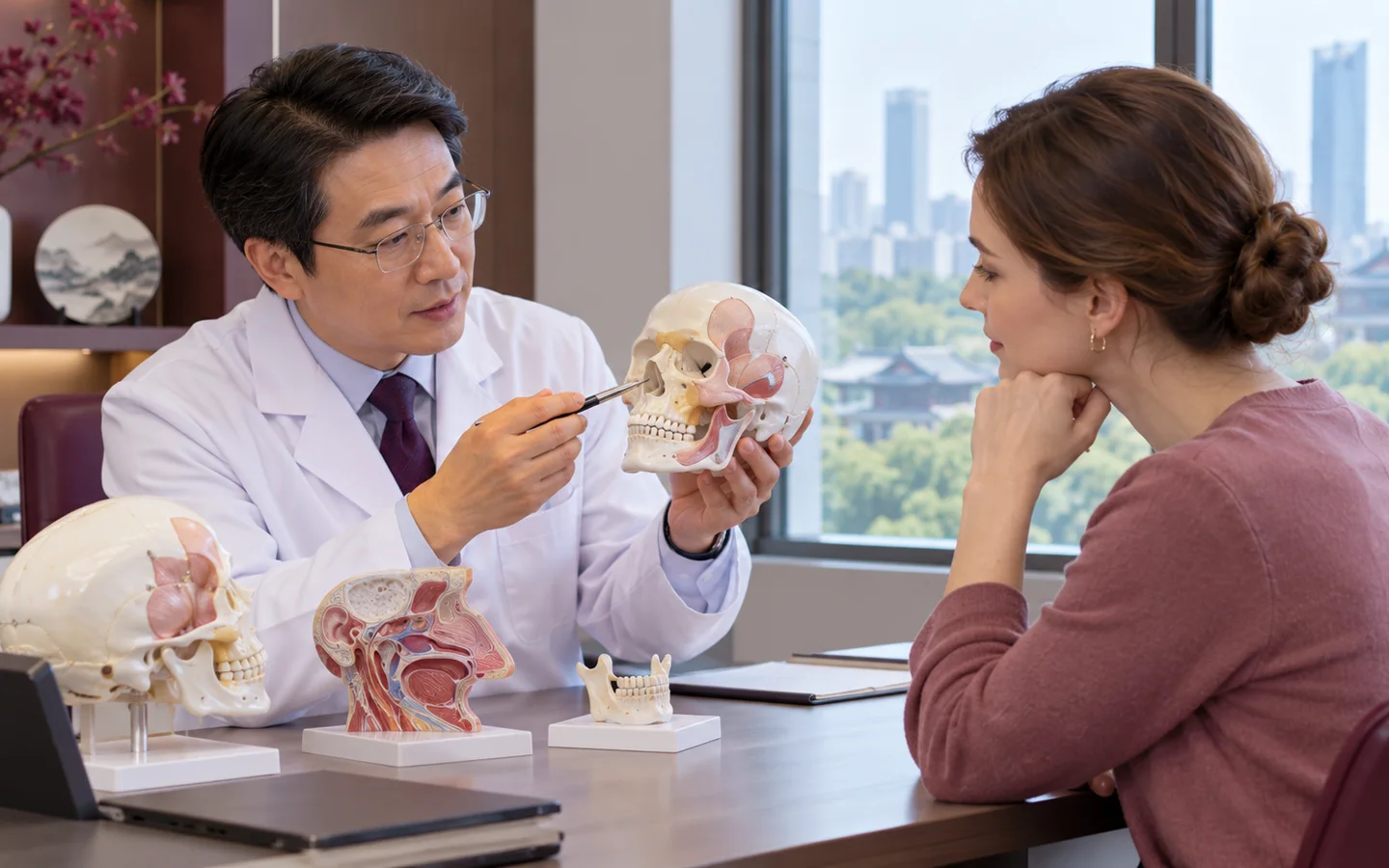
Post-Cancer Reconstruction: diagnosis, function and long-term planning
Post-Cancer Reconstruction is considered when cancer removal leaves or is expected to leave a tissue defect that benefits from functional and appearance restoration.
Reconstruction must not compromise margins or surveillance; defect size, radiation, vessels, donor sites, speech or movement and future adjuvant treatment determine tissue choice and timing.
Who may be considered?
Specialist review may help when an oncologic operation and the resulting defect need one coordinated ablative and reconstructive plan.
- Breast, head and neck, skin, limb or trunk defects after cancer removal.
- Previously irradiated tissue needing vascularized coverage.
- A delayed defect after cancer treatment and scar maturation.
- A patient with defined functional and appearance priorities.
What the specialist team must confirm
Review pathology and resection plan, staging imaging, radiation and chemotherapy timeline, defect simulation, vessels, donor sites, nutrition, smoking, mobility and requirements for surveillance or later treatment.
Key points for this treatment
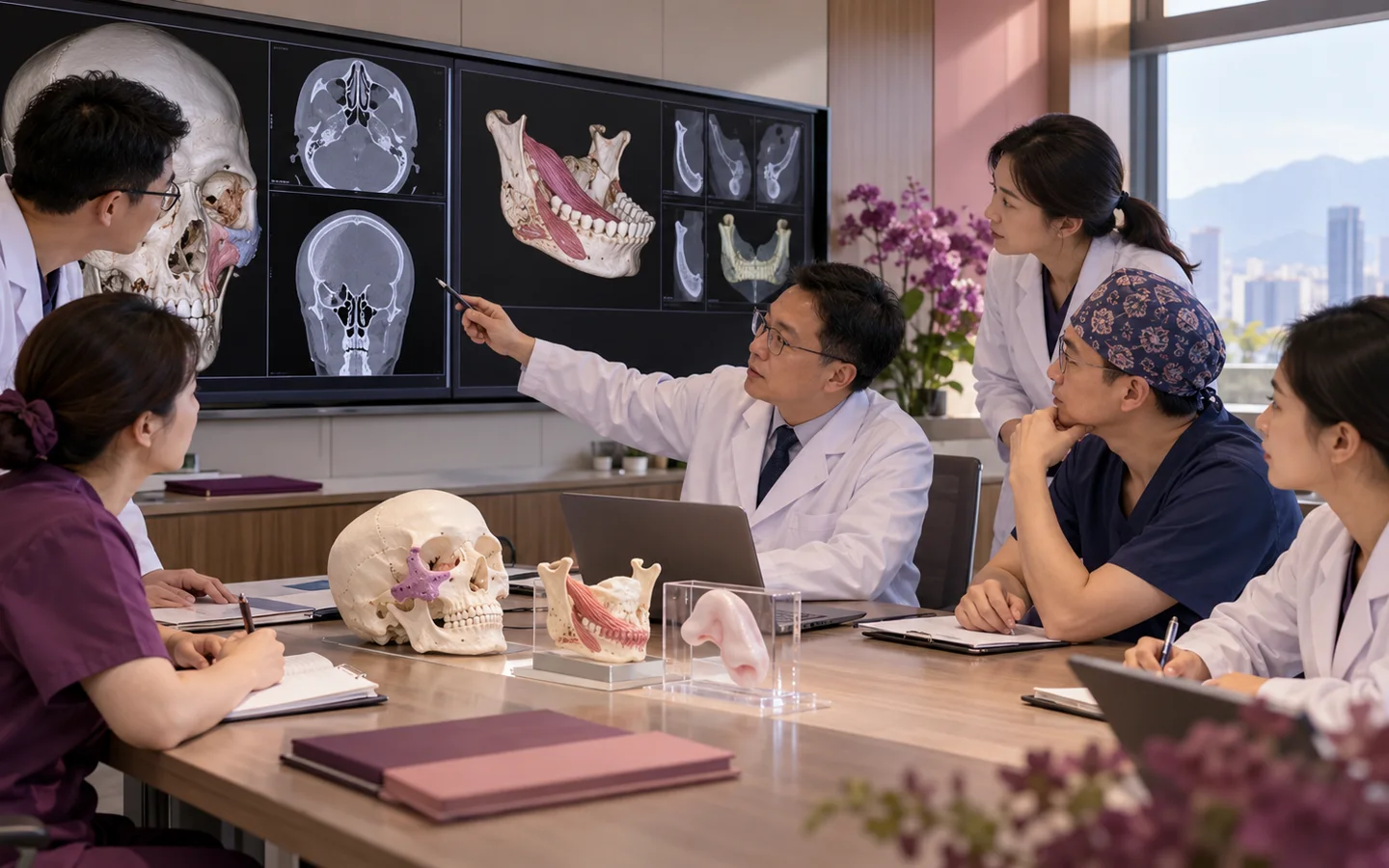
From oncologic margins to durable functional restoration
The team should explain immediate versus delayed reconstruction and how pathology or radiation could change later stages.
Healing, rehabilitation and cancer surveillance continue together
Early monitoring focuses on flap or wound blood flow, infection, fluid, pain, nutrition and protection of the reconstructed region.
Function, contour, scar, donor-site effects and cancer surveillance are reviewed, with staged refinements considered only after priorities and tissue maturity are clear.

Risks, limits and realistic expectations
Risks include flap or graft loss, infection, bleeding, wound breakdown, seroma, donor-site weakness, delayed cancer treatment, asymmetry, scarring and further revision.
A pale dark or cold flap, rapidly increasing swelling, heavy bleeding, fever, wound opening or breathing difficulty needs immediate specialist assessment.