
Why replantation rehabilitation is different from routine hand surgery
A replanted hand or digit has been reattached by reconnecting its blood supply, and often its nerves, tendons and bone. That changes what rehabilitation can safely do and when. Early on, the priority is protecting the repair and monitoring circulation; later, controlled movement, tendon gliding, oedema control, scar management and sensory re-education may enter the plan. The sequence and pace depend on which structures were repaired, how the tissues are healing and the surgeon's own protocol.
This is why generic hand-exercise sheets are a poor fit. A programme written for a simple tendon repair or a fracture may ask for movement that is inappropriate after vessel repair. Equally, a very cautious plan that suits the first days after surgery may hold back progress later. The useful question is not 'what is the standard replantation rehab protocol' but 'what does my treating team want at this stage, and who is checking it'.
Replantation also involves risks that belong to the clinical team, not to logistics. Circulation to the reattached part, infection, bone union, tendon adhesion, joint stiffness, nerve recovery and cold intolerance are all matters the surgeon and therapist assess. Planning travel or therapy sessions does not remove those risks, and no coordinator should describe scheduling as the main concern.
What to send before asking for a rehabilitation plan
A useful rehabilitation enquiry starts with the operative facts. The receiving hand surgeon or therapist needs to know what was replanted, at what level, which structures were repaired, and what has happened since. Without that, any advice is guesswork.
Gather the operation note and discharge summary first. These should describe the level of injury, the vessels and nerves repaired, tendon and bone work, skin cover and any grafts. If the operation note is unavailable, ask the treating hospital whether a summary can be issued. Then add the current wound and circulation status, any splint or fixation in place, current medications, and the most recent imaging or clinic letters.
Photographs can help a therapist understand swelling, wound healing and resting posture, but they do not replace the records or an examination. Ask whether the receiving team wants images, and in what format, rather than sending a large unsorted file. A short summary of your main question, such as 'how should therapy progress once protective splinting ends', is more useful than a complete archive at first contact.
If you are still in the early post-operative period, say so plainly. The receiving team may consider that remote planning is premature and that your current surgeon should remain in charge until the repair is stable. That is a clinical judgement, not a refusal of help.
Questions that shape the therapy plan
The answers to a handful of questions determine whether a rehabilitation plan is realistic and how it should be organised. Put them to the surgeon and hand therapist directly, in writing if possible.
Ask which structures are protected and for how long, and what movements are permitted now. Ask who is responsible for changing the programme as healing progresses, and what signs should prompt urgent contact rather than a routine review. Ask how oedema, scarring and stiffness are being managed at your stage, and whether sensory re-education is appropriate yet.
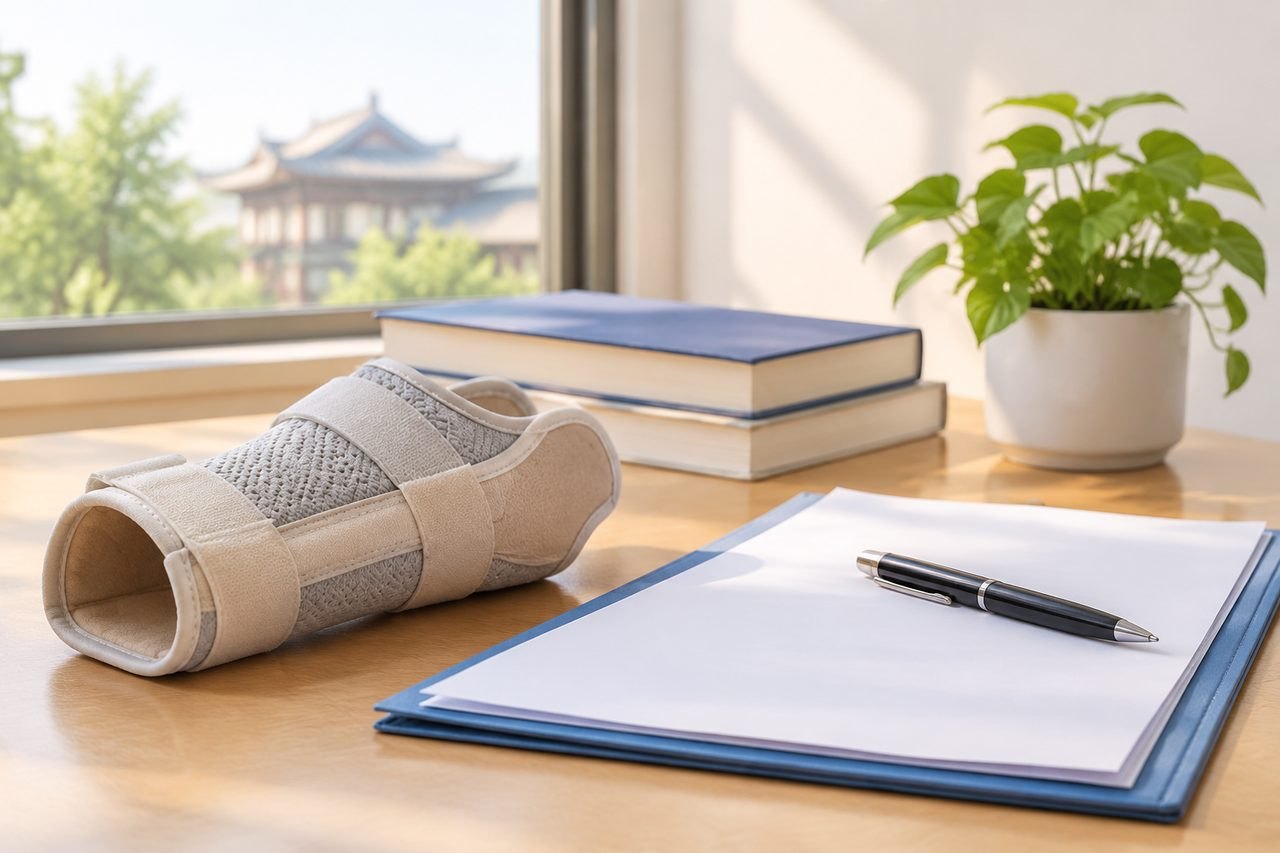
Ask about the splint: what it is for, when it is worn, and who adjusts it. Ask whether therapy should be supervised, and whether a home programme is acceptable alongside it. Ask how pain is being managed and what level of pain during exercise should stop you. These are clinical questions; the answers come from your treating team, not from a planning service.
It also helps to ask what the team expects you to be able to do for yourself during recovery, and what help you may need with dressing, eating or childcare. That practical answer shapes how much support to arrange, without anyone promising a recovery timetable.
Planning therapy in China around your stage of recovery
Overseas patients sometimes ask about continuing hand therapy in China after replantation performed elsewhere, or about starting rehabilitation during a longer stay. Whether that is sensible depends on your stage, the stability of the repair and the receiving team's willingness to take over care. A hospital decides whether it will accept the case; an enquiry does not establish acceptance.
Ask the receiving hospital three things before travelling. First, whether its hand surgery or rehabilitation team will assess a patient at your stage and with your records. Second, who will direct therapy and how communication with your original surgeon will work, since the original team's view is useful but not the only source of clinical judgement. Third, what the written plan and quote cover, including assessment, therapy sessions, splinting and review, so you can compare like with like.
Therapy frequency, session length and the number of visits are set by the treating team after assessment. Do not rely on an assumed schedule. If a provider gives you a plan, ask what happens if progress differs from expectation, and how the plan is revised.
Continuity matters more than location. A short block of therapy in China is only useful if the home therapist can pick up the programme afterwards with clear written guidance. Ask the treating team what summary they will provide and to whom.
Hand therapy, sensation and the return to daily use
Hand therapy after replantation is not only about bending and straightening. It may include positioning and elevation, oedema control, scar massage once the wound allows, tendon gliding, joint mobilisation, strengthening at the right stage, and sensory re-education as nerve recovery allows. Which of these apply, and when, is decided by the treating therapist with the surgeon.
Sensation deserves its own discussion. Nerve recovery after replantation is often gradual and may be incomplete; the treating team should explain what to expect for your injury and how to protect the hand while sensation is reduced. Ask about temperature changes, cold sensitivity and what to do if the hand changes colour, becomes painful or swells. Those symptoms need clinical assessment, not a therapy adjustment made remotely.
Return to work, driving, sport and fine manual tasks are functional decisions. Ask the surgeon and therapist what your hand should be able to tolerate before each step, and what restrictions remain. Do not set a date from a general article; your repair, dominance, occupation and healing all matter.
Practical arrangements and a clear next step
If you are considering care in China, keep the first step small. An initial enquiry is free and asks for a brief summary: what was replanted, when, what has been repaired, your current stage and your main question. Our team can check what information is missing and suggest a relevant next step, but this is not a diagnosis or a promise that a hospital will accept you. A proxy consultation is optional and is not required to make an initial enquiry.
If a specialist appointment or coordination is arranged, hospital consultation and treatment fees are separate from coordination fees, and the hospital's written plan and quote are the authority on what is included. Ask for that scope in writing rather than assuming what a package contains.
Before any travel, confirm with your current surgeon that the journey and any change of therapy provider are appropriate for your stage. Then ask the receiving team to confirm, in writing, who directs therapy, what records they need and how the plan will be handed back to your home team. That exchange of records and responsibility is the part that makes rehabilitation planning useful.
Sources & scope of this guide
References and official service information relevant to this guide.
- Related treatment reference
- rehabilitation planning
- Hand tendon repair - NHS
- Swollen arms and hands (oedema) - NHS
This is general planning information and has not been individually reviewed by a doctor. Medical decisions and personal treatment advice come from your treating clinicians.