
DBS modulates selected brain circuits through implanted electrodes
Electrodes are placed in a specific deep-brain target and connected to a pulse generator under the skin. Stimulation settings are adjusted after surgery.
DBS can improve selected motor symptoms and reduce medication burden, but it does not stop disease progression or reliably improve balance, speech, cognition and every non-motor symptom.
For Parkinson disease, symptoms that respond to levodopa often predict which motor features may respond to DBS, with important exceptions such as tremor.
Who may be considered?
Specialist review may help when the diagnosis, symptoms and previous treatment create a focused question about deep brain stimulation.
- Parkinson disease with disabling motor fluctuations or medication-responsive symptoms.
- Medication-refractory essential tremor.
- Selected dystonia after specialist review.
- A patient with realistic goals and ability to attend programming.
What the specialist team must confirm
The movement-disorder team confirms diagnosis, symptom targets, medication response, MRI anatomy, cognition, mood, gait and speech, surgical risk, support and access to long-term programming and device maintenance.
Key points for this treatment
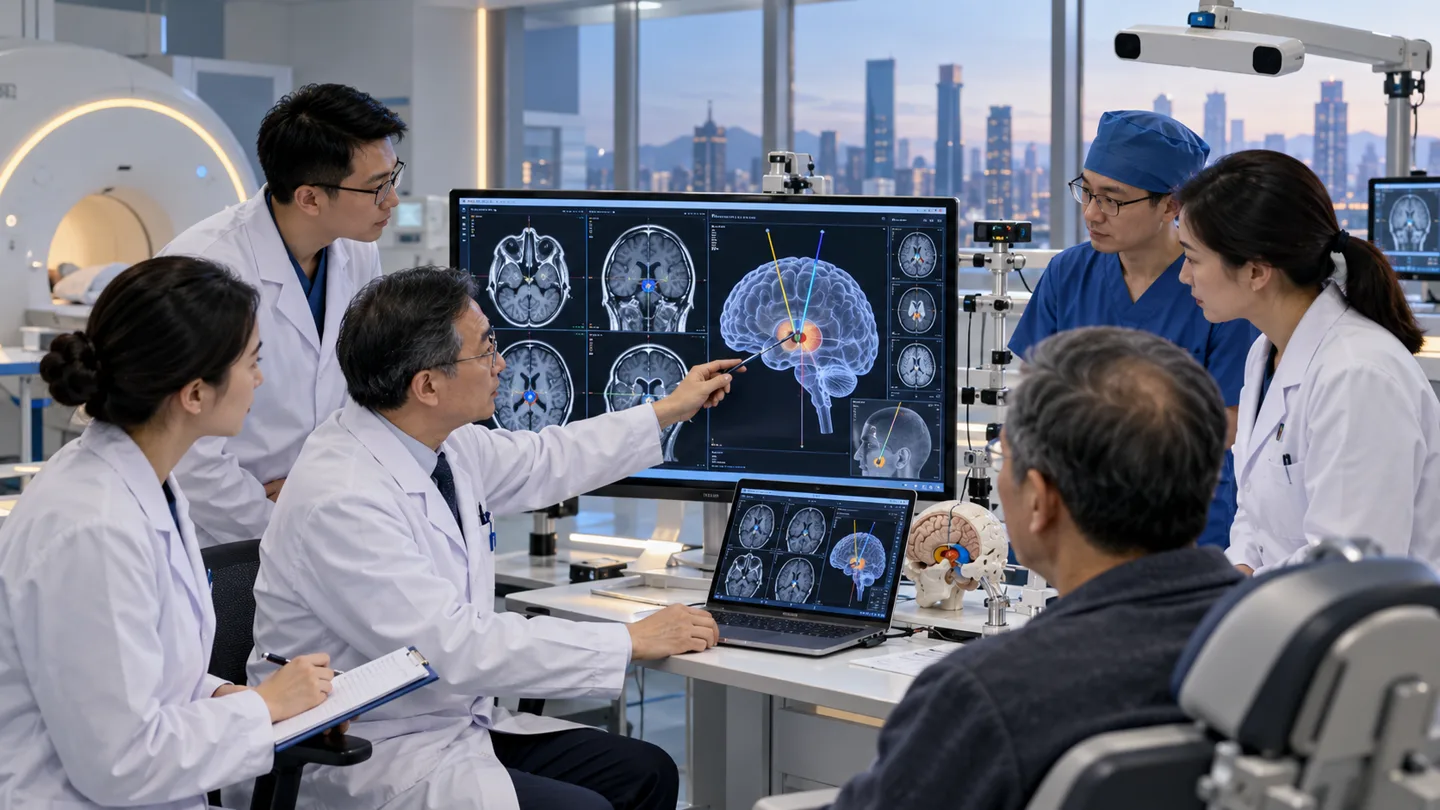
From symptom-response testing to a programmable therapy
The team defines measurable goals before surgery so programming can focus on benefits that matter to the patient.
Programming is a continuing clinical process
Stimulation is activated and adjusted over several visits while medicines may be modified. Wound and hardware checks occur early.
Long-term follow-up tracks benefits, speech, gait, mood, cognition, battery life and hardware. Patients need an emergency plan for device problems.

Risks, limits and realistic expectations
Risks include brain hemorrhage, stroke, infection, seizure, hardware failure, mood or cognitive change, speech and balance worsening and death. DBS does not cure the underlying disorder and requires lifelong specialist access.
Sudden weakness, severe headache, fever with wound redness, confusion or abrupt major loss of device benefit requires urgent local assessment.