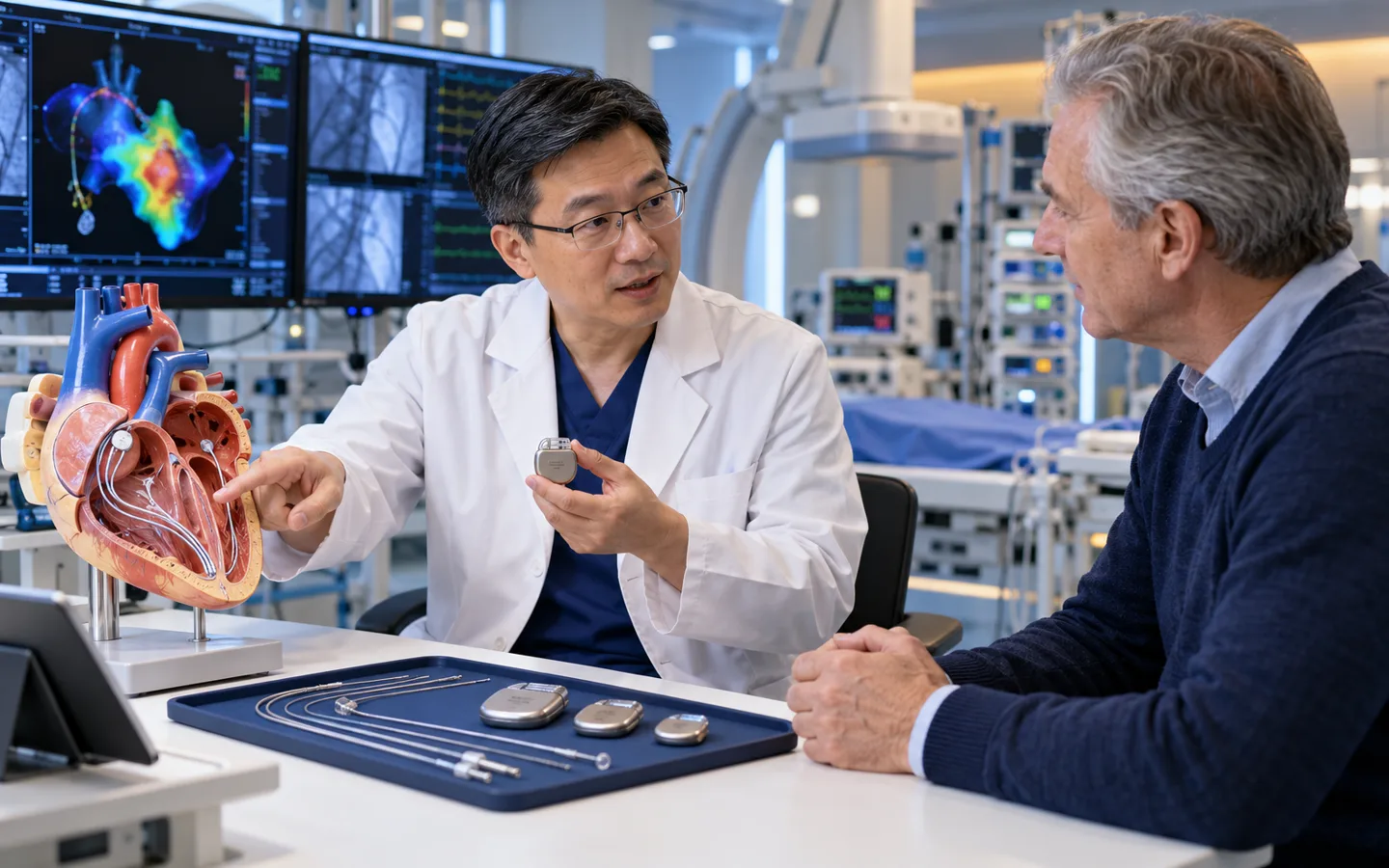
A pacemaker supports heart rate when the native electrical system is too slow
A pulse generator delivers electrical impulses through leads in the heart, or through a selected leadless device, when the rate falls below programmed criteria.
The system is chosen according to sinus-node disease, atrioventricular block, atrial rhythm, ventricular function, venous access, infection risk and anticipated amount of pacing.
Symptoms such as dizziness must be correlated with bradycardia or conduction block whenever possible before permanent implantation.
Who may be considered?
Specialist review may help when the diagnosis, symptoms and previous treatment create a focused question about permanent pacemaker implantation.
- Symptomatic sinus-node dysfunction.
- Advanced or intermittent atrioventricular block.
- Selected pauses or slow AF causing symptoms.
- A pacing requirement after valve, congenital or other cardiac treatment.
What the specialist team must confirm
Review includes ECG and monitor evidence, symptom correlation, reversible causes, echocardiography, infection status, venous anatomy, prior devices, kidney function, anticoagulation and whether physiologic or resynchronization pacing is appropriate.
Key points for this treatment
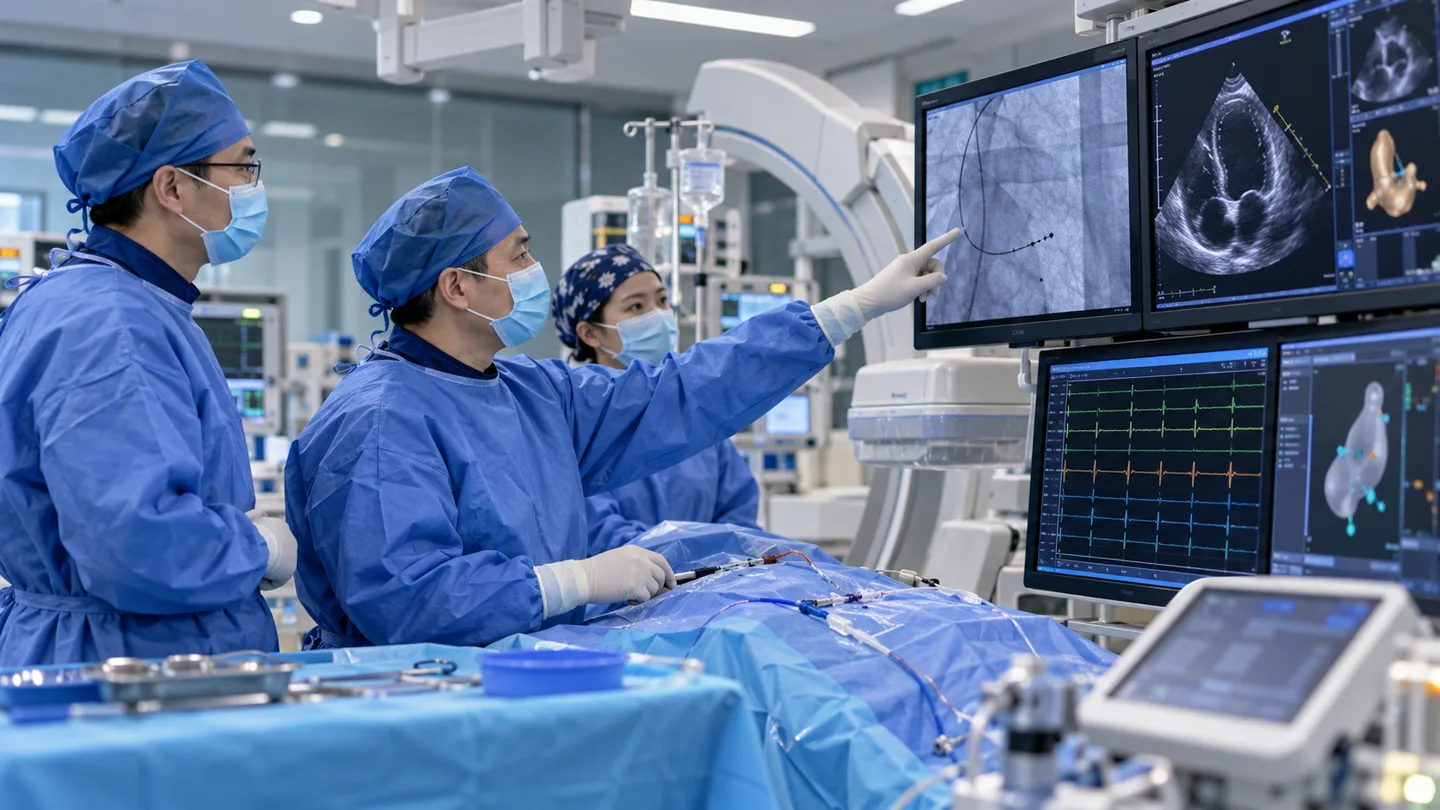
From rhythm correlation to device programming
The aim is to treat clinically important slow rhythm while minimizing unnecessary pacing and device burden.
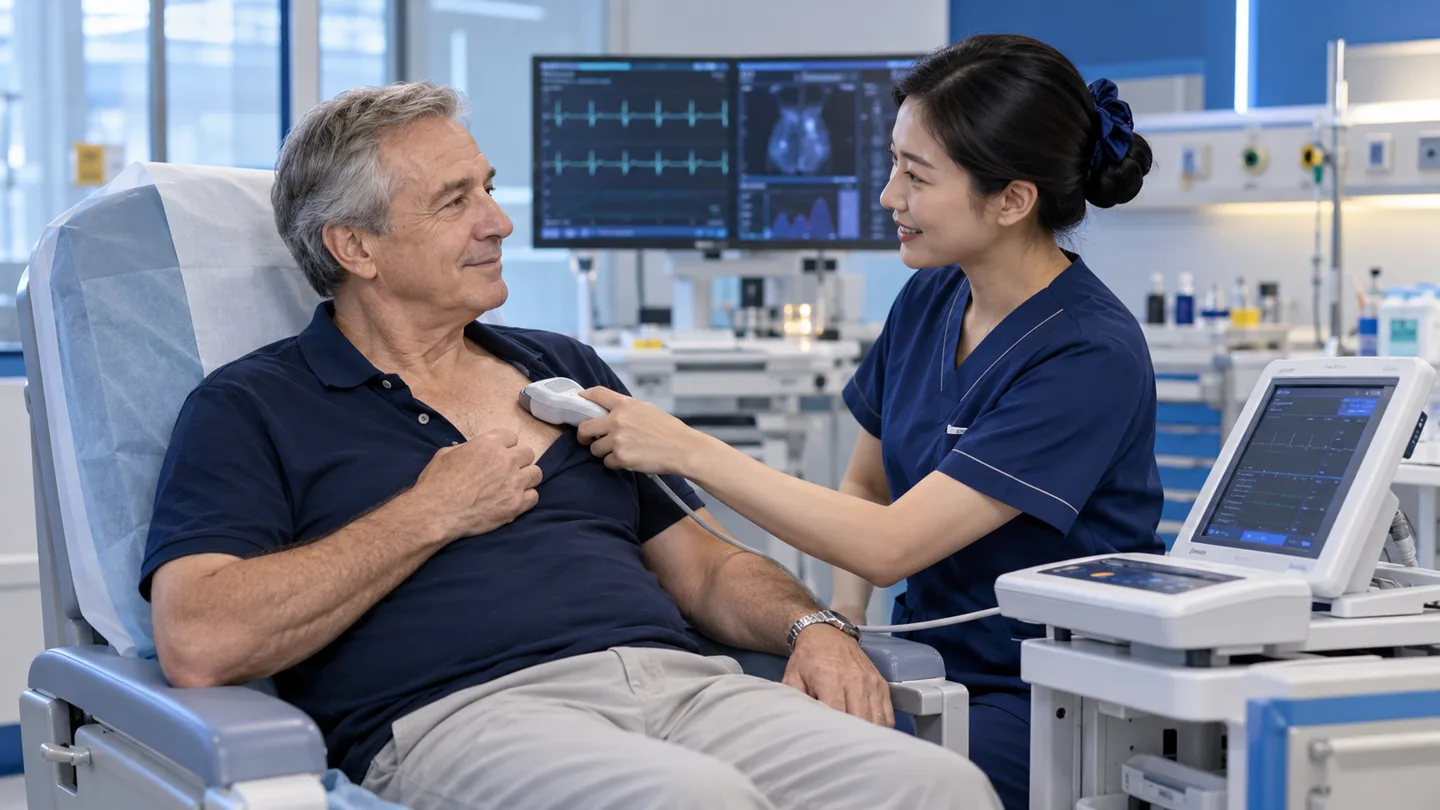
Device follow-up continues for the life of the pacemaker
The wound, lead position, sensing and pacing thresholds are checked early. Arm and activity guidance depends on implantation technique.
Remote or in-person interrogation tracks battery, leads, arrhythmias and pacing percentage. Generator replacement is planned before battery depletion.
Risks, limits and realistic expectations
Risks include bleeding, infection, pneumothorax, lead displacement or perforation, vein obstruction, device malfunction, tricuspid valve effects and later extraction or replacement. A pacemaker does not treat every cause of fainting or fatigue.
Fainting, chest pain, severe breathlessness, fever with device-pocket redness or persistent hiccups after implantation needs prompt local assessment.