Home / Orthopedics / Pediatric Orthopedic Surgery
Orthopedic patient guide · 小儿骨科手术

Pediatric Orthopedic Surgery in China

Considering pediatric orthopedic surgery in China? Start with growth stage, functional goals and family support. This guide helps you identify the relevant records, questions for the receiving team and the scope of an individual estimate before a visit is agreed.

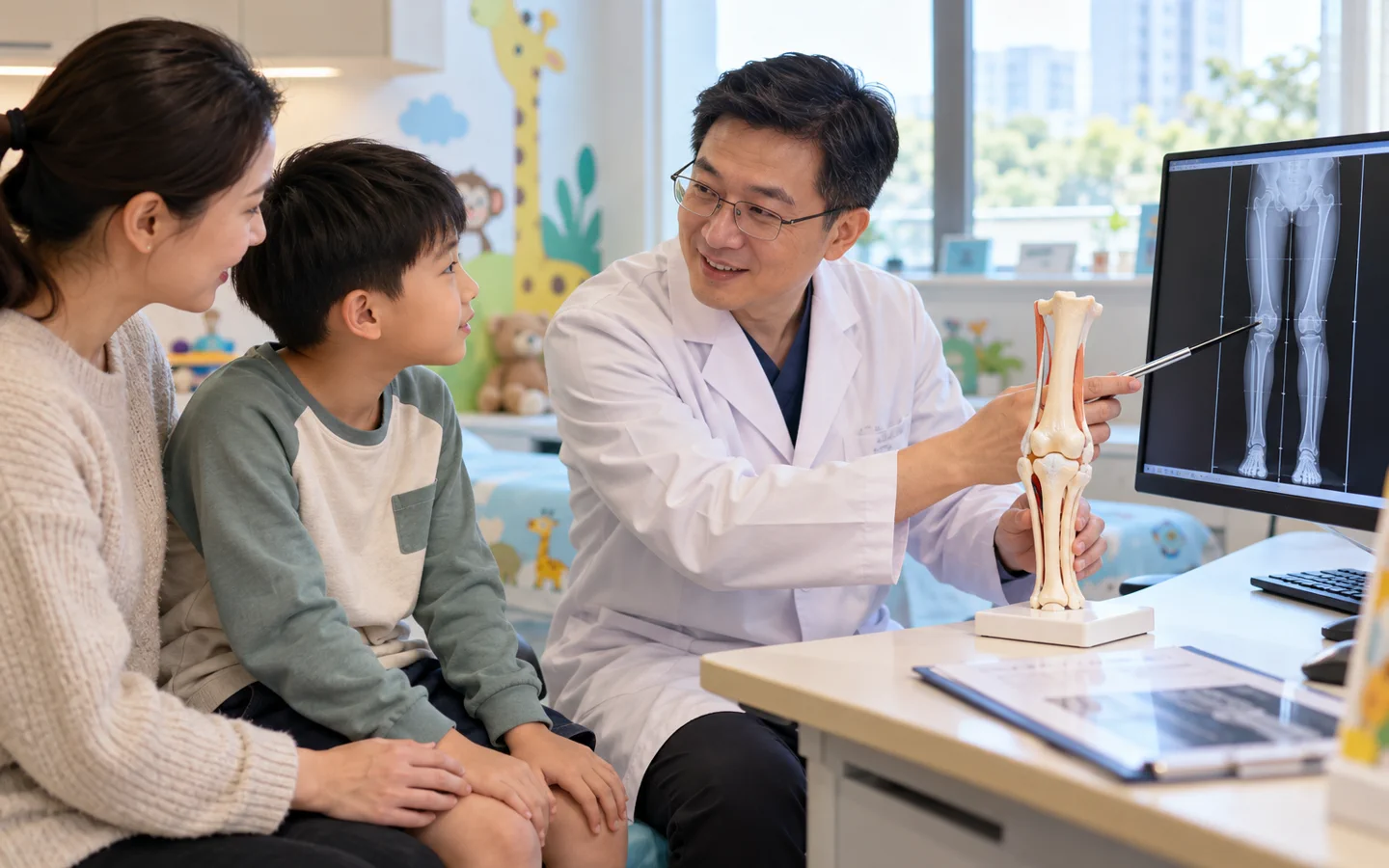
Chinese pediatric orthopedic surgeon reviewing leg alignment X-rays and a model with a child and parent

Medical records & cost enquiry

Pediatric Orthopedic Surgery: assessment and cost questions

For Pediatric Orthopedic Surgery, the budget depends on the proposed care and the hospital. A useful estimate needs to distinguish:

  • The specific condition and operation
  • Growth-related planning and staged treatment
  • Admission and age-appropriate rehabilitation

Hospital medical fees, travel and our coordination services are separate. Any paid specialist review or coordination service is explained and agreed before you proceed.

Your next step

Start with your question

Tell us your diagnosis and what you need. Our free initial review checks the information and helps identify a suitable next step; it is not a specialist opinion or a hospital quotation.

Request a case-based estimate

Not ready to send records? Ask us first. Where hospital review is appropriate, we can help request an estimate. No travel commitment or mandatory proxy consultation.

Planning pediatric orthopedic surgery in ChinaHospital review · individual costs · visit and follow-up

Plan the visit around growth stage, functional goals and family support. Agree the assessment route before travel.

Records for the pediatric orthopedic surgery review

Tell us what you already have: Birth, development and family history; Height, growth and symptom timeline; All prior X-rays and scans in date order. Start with a short summary; after first contact we explain which records the receiving team needs and how to share them.

Confirm the proposed scope and costs

Before asking for a personal estimate, clarify: The specific condition and operation; Growth-related planning and staged treatment; Admission and age-appropriate rehabilitation. The receiving team confirms the proposed scope and hospital charges; coordination is agreed separately.

Visits and care after returning home

Ask how the child's age and growth affect the assessment, treatment stages, rehabilitation and follow-up near home. Tell us if you need interpretation or English-language documents, and confirm the relevant arrangements with the receiving team.

Children are not small adults

Pediatric orthopedics covers congenital, developmental, traumatic, neuromuscular and growth-related conditions of bones, joints and muscles. Growth plates create both opportunity and risk: some deformities remodel, some can be guided gradually, and others worsen if treatment is delayed.

Examples include developmental hip dysplasia, clubfoot, slipped capital femoral epiphysis, limb-length difference, angular deformity, scoliosis, fractures and cerebral-palsy-related problems. Each has its own evidence and urgency; a broad label such as “deformity” is not enough to plan surgery.

Some childhood hip conditions are urgent

A child or adolescent with sudden hip, groin or knee pain, inability to bear weight, fever or a new limp needs prompt local assessment. Do not arrange travel before an urgent diagnosis is excluded.

Who may be considered?

A pediatric orthopedic surgeon may recommend intervention when:.

  • Observation shows progression that growth is unlikely to correct.
  • A joint is unstable, displaced or at risk of permanent damage.
  • A fracture involves a growth plate or cannot maintain safe alignment.
  • Deformity or limb-length difference affects gait and function.
  • Neuromuscular imbalance causes pain, hygiene, seating or mobility problems.

What the hospital needs to assess

The visit includes birth and development history, growth pattern, gait, joint motion, strength, skin and neurological examination. Imaging is chosen to minimise radiation while answering a specific question. Standing films, ultrasound, MRI, CT or gait analysis may be used. The team reviews skeletal maturity, child and family goals, school needs and anaesthetic health.

Key points for this treatment
Growth matterstiming can change the operation
Many pathwaysobservation, casting, bracing or surgery
Family-centredschool, comfort and consent are planned
Long follow-upgrowth can change alignment over years
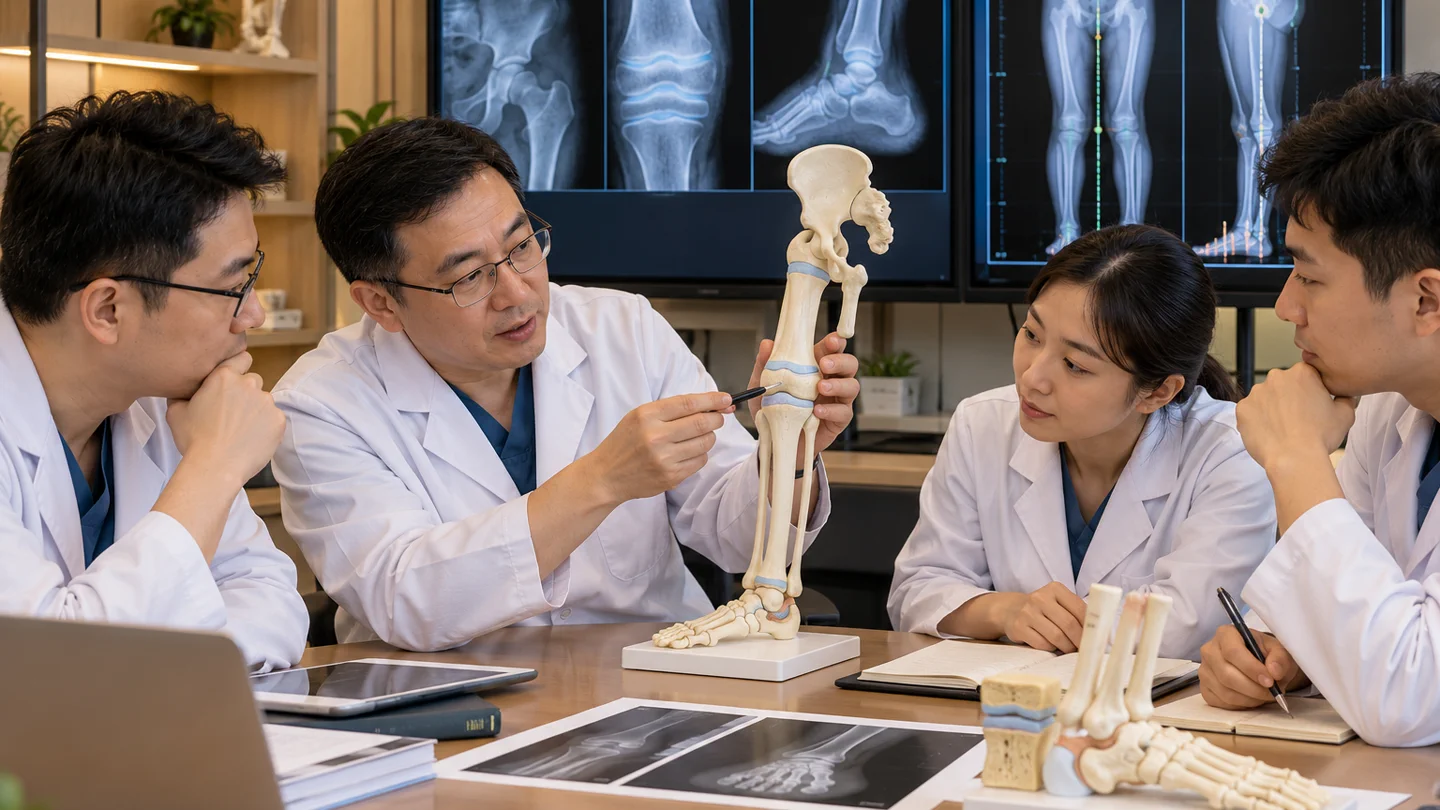
Pediatric orthopedic team studying child growth plates, hip, foot and standing alignment images with a lower-limb model
Timing is part of the treatmentThe same deformity may be observed, guided during growth or corrected with osteotomy depending on age, progression, symptoms and remaining growth.

From casting and guided growth to reconstruction

Non-surgical care may include observation, physiotherapy, casting, bracing or orthoses. Guided-growth surgery temporarily slows one side of a growth plate so remaining growth can improve alignment. Osteotomy cuts and realigns bone when a larger or more immediate correction is required.

Other procedures stabilise a slipped hip, reconstruct dysplasia, lengthen tendon, correct foot deformity or repair a fracture. Implant size, blood loss, anaesthesia, pain control and future growth are planned for the child rather than copied from adult protocols.

ObservationUseful when natural history and growth permit
Casting or bracingShapes or supports selected conditions
Guided growthUses remaining growth for gradual correction
Osteotomy or reconstructionCorrects established structural problems

Hospital stay and recovery

Preparation should use age-appropriate explanations and include the parent or guardian. Hospital care addresses comfort, nausea, mobility and safe use of casts or braces. School return, transport, bathing and sibling support are practical parts of planning.

Children often regain energy quickly, but bone and soft tissue still need protection. Follow-up may continue until growth completion to detect recurrent deformity, limb-length change, growth arrest or implant-related problems. International care must include a local pediatric team.
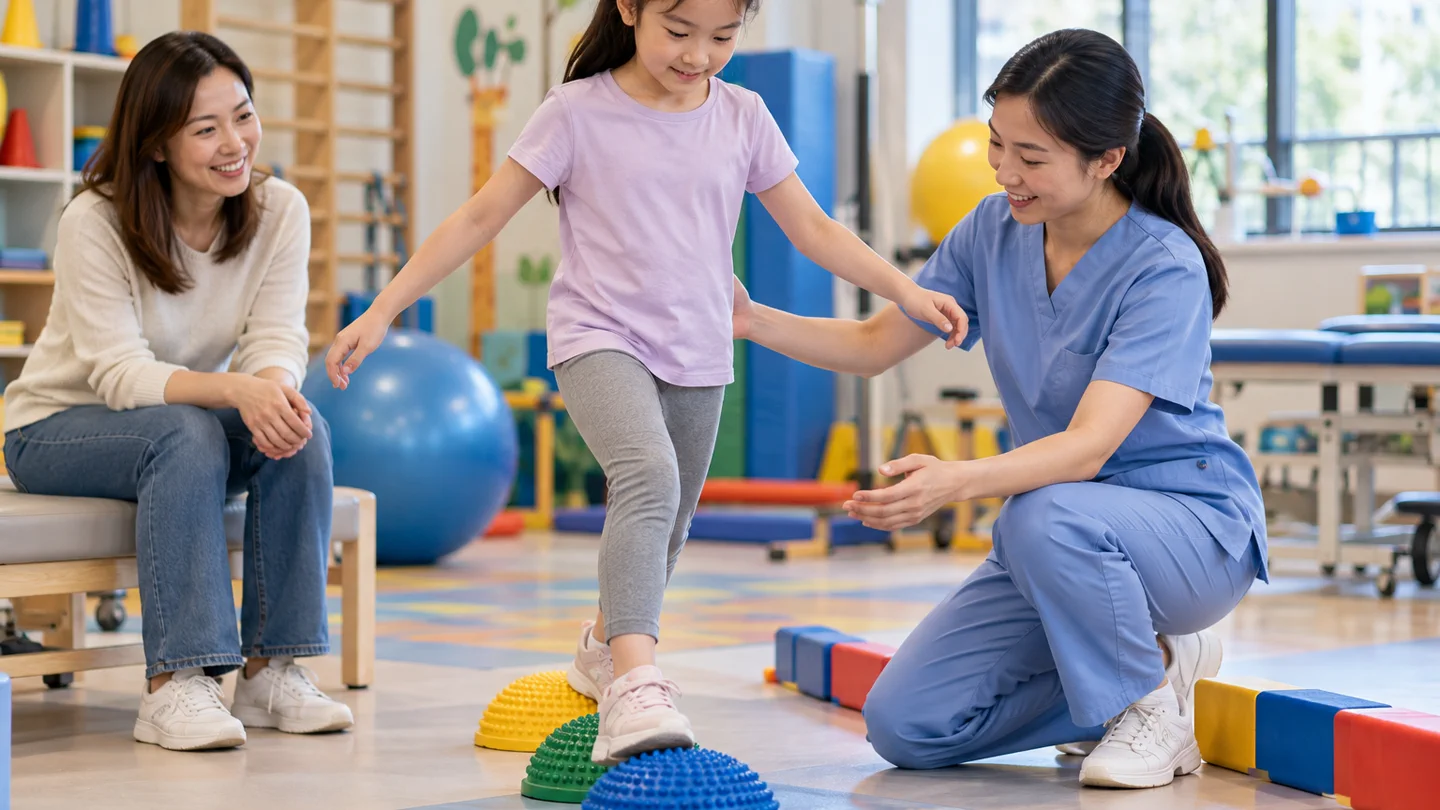
Child practising balance with a Chinese pediatric physiotherapist while a parent watches in a rehabilitation room
Rehabilitation should feel achievable to the childMovement, play, school and family routines are rebuilt safely while casts, braces, weight-bearing and growth are monitored.
PreparationChild-friendly explanation and family planning
Hospital phasePain, cast, circulation and mobility checks
Home phaseSchool and daily routines return gradually
Growth follow-upAlignment and limb length may need years of review

Risks and realistic expectations

Risks depend on the diagnosis and may include infection, bleeding, anaesthetic complications, nerve or vessel injury, stiffness, loss of correction, non-union, growth-plate damage, limb-length difference, implant problems and further surgery as the child grows. Emotional distress and family burden should also be considered.

Seek urgent medical help

A child with fever and a painful joint, inability to bear weight, worsening pain under a cast, numb or blue fingers or toes, breathing difficulty, wound drainage or sudden weakness needs urgent local assessment.

Before hospital review

Records for pediatric orthopedic surgery assessment

Pediatric review needs the growth timeline, serial images and prior treatment—not only the newest scan.

Birth, development and family history
Height, growth and symptom timeline
All prior X-rays and scans in date order
Standing alignment films when appropriate
Casting, bracing and therapy records
Previous operations and implant details
School, mobility and daily-function needs
Medication, allergies and anaesthetic history
Send original imaging when possible

Radiology reports are useful, but original DICOM files let the specialist examine anatomy, alignment, tissue quality and prior implants directly.

Tell us what you need

Ask about your care,
your hospital and your budget.

You can ask about suitability, an expert opinion, an appointment or the likely medical cost. If you are unsure, choose “Not sure — please advise”.

This enquiry is aboutPediatric Orthopedic SurgeryNot sure — please advise

How a personal estimate is prepared

  1. Tell us about your case.Describe your diagnosis, main question and preferred city, if any.
  2. Share the relevant records.We explain what is needed and how to send it by WhatsApp or email.
  3. Request a hospital estimate.Where appropriate, we help request hospital review and a cost estimate. Any paid review is agreed first.

This is an enquiry, not an order or payment. Proxy consultation is not mandatory. Any service scope is agreed separately before you proceed.

Ask about Pediatric Orthopedic Surgery

A first enquiry is free. Email and permission to respond are required; the other details are optional. Any paid clinical review or coordination is discussed separately.

Included automatically so we know which procedure you are asking about.
A preference, not a confirmed appointment.
Please do not send passport numbers, card details or full medical files in this first enquiry. We will explain which records are needed next.

Send a short summary first. This is an enquiry, not an order, payment or confirmed appointment.

No booking or payment is made by sending this enquiry.
Editorial transparency

Medical sources

Patient information is based on established professional, government and health-service guidance. Content updated 5 October 2026. This is patient information, not an individual clinical assessment.