
VATS describes chest access, not the tissue being treated
A camera and long instruments enter through small incisions while one lung is temporarily deflated. VATS can support diagnosis, pleural procedures and minor or major lung resections.
The operation name still matters: a VATS biopsy, lobectomy and decortication have different risks and recovery. Dense adhesions, bleeding or unexpected invasion may require open thoracotomy.
Consent should name the intended resection, lymph-node plan, pleural procedure and conditions that would trigger a larger incision.
Who may be considered?
Specialist review may help when the diagnosis, symptoms and previous treatment create a focused question about video-assisted thoracoscopic lung surgery.
- A lung lesion needing biopsy or anatomical resection.
- Pleural disease requiring biopsy drainage or decortication.
- Recurrent pneumothorax or selected infection.
- A patient whose imaging suggests safe thoracoscopic access.
What the specialist team must confirm
Review includes diagnosis and surgical objective, CT anatomy, previous chest surgery or infection, adhesions, lung isolation, pulmonary and cardiac reserve, anticoagulation and the likelihood of major-vessel, airway or chest-wall involvement.
Key points for this treatment
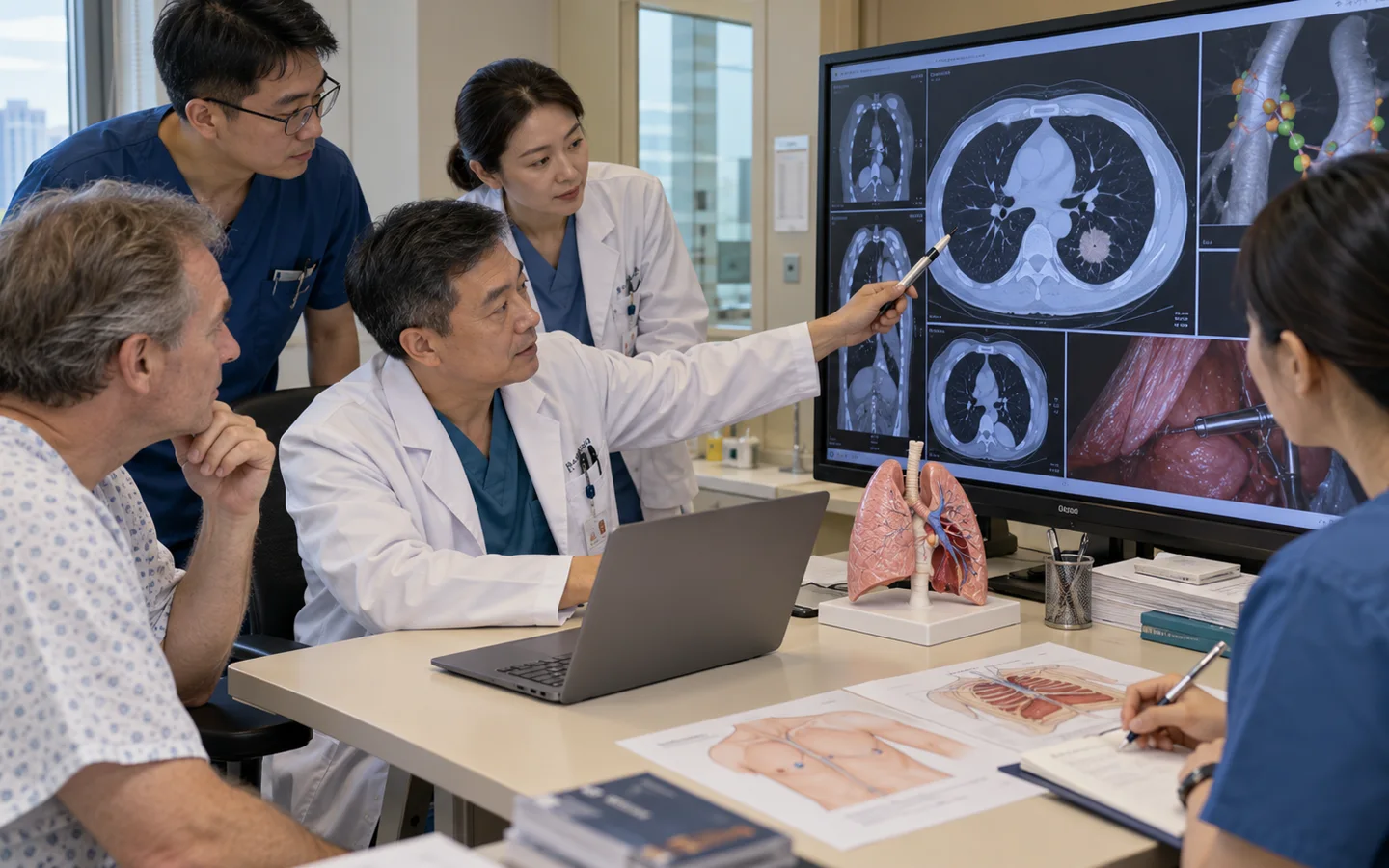
From keyhole access planning to complete thoracic treatment
VATS is valuable when it provides adequate exposure and the same disease-control objective as an appropriate open operation.
Chest drains and breathing remain central
Pain control, deep breathing, coughing and walking help the operated lung re-expand. Air and fluid output determine when drains can be removed.
Final pathology, margins and nodal results guide further treatment. Return to activity depends on the tissue removed and complications, not the small incisions alone.
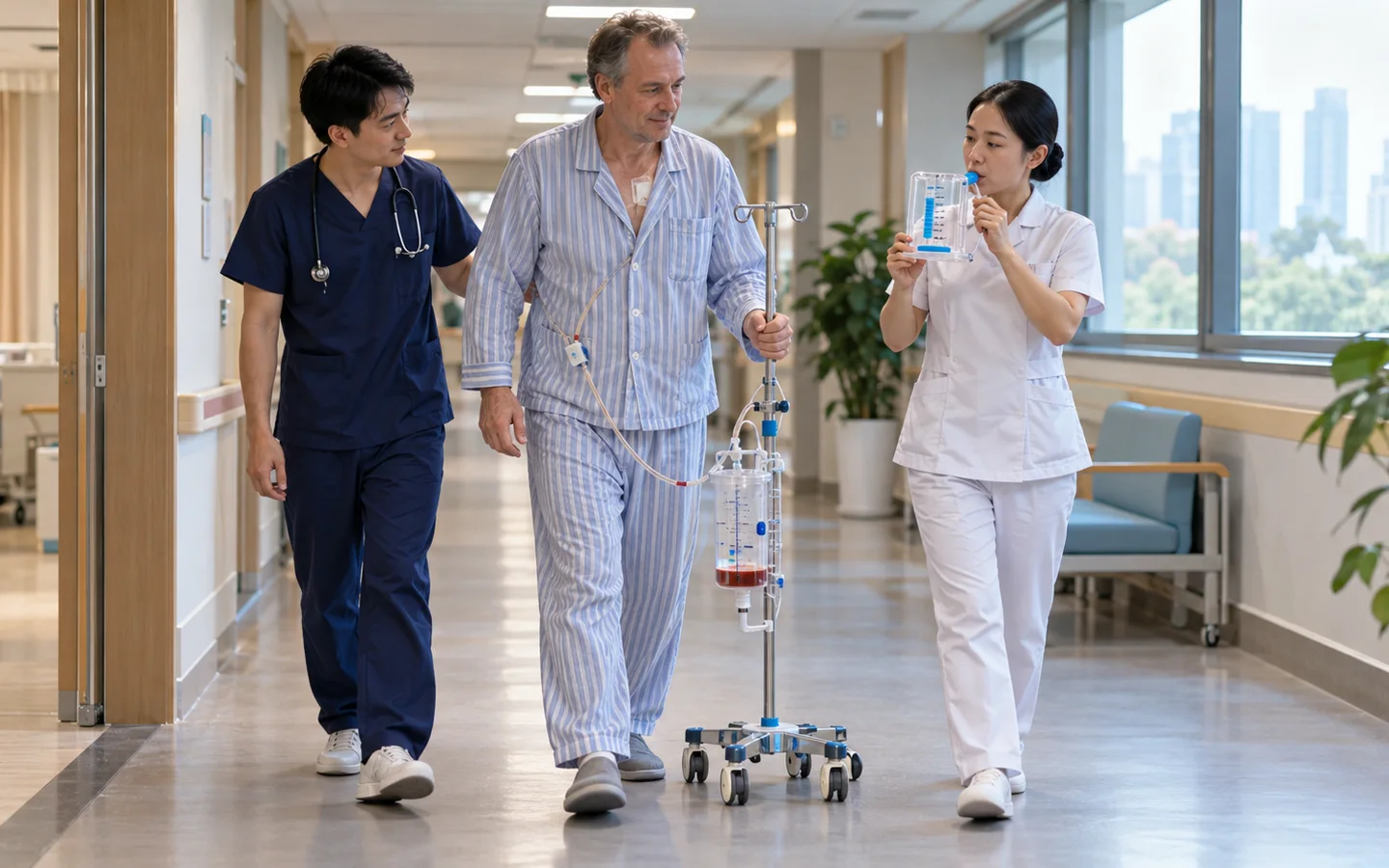
Risks, limits and realistic expectations
Risks include bleeding, pneumonia, prolonged air leak, arrhythmia, nerve or vessel injury, blood clot, conversion to thoracotomy and the specific risks of the planned lung or pleural operation.
Sudden breathlessness, severe chest pain, coughing blood, high fever, fainting or wound drainage requires urgent local assessment.