
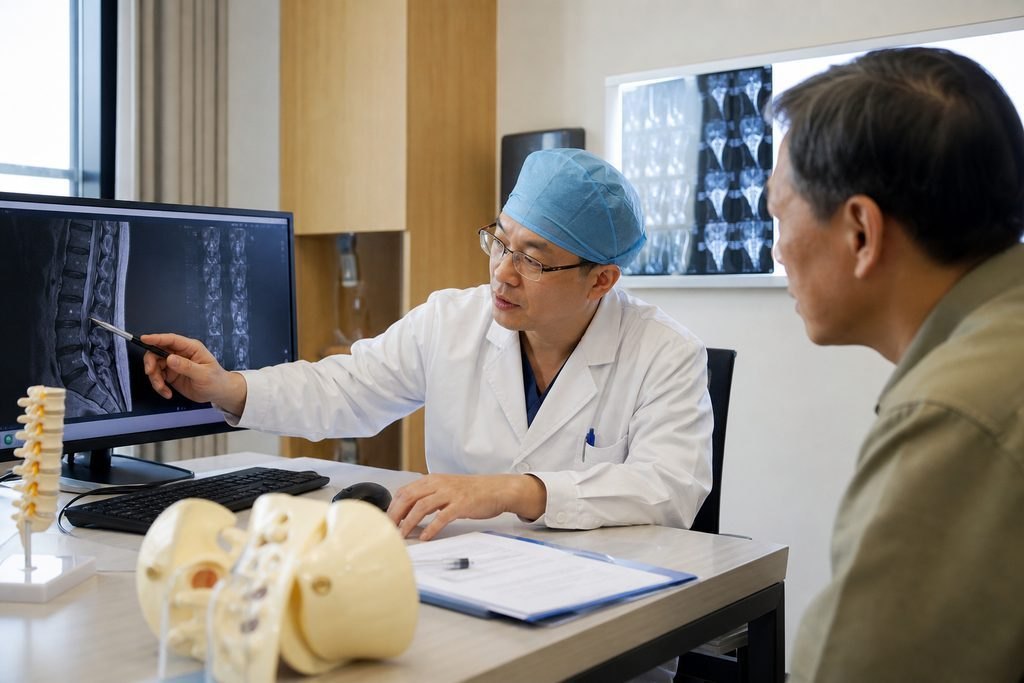
Procedures & recovery
Lumbar Decompression in China: Understanding Spinal Levels
Why spinal levels matter in lumbar decompression planning in China: how symptoms map to levels, what scans show, and what to ask the surgical team.
Patient guides · care in China
Explore practical questions around a proposed procedure in China: what records to prepare, what to confirm with the treating team and how recovery and follow-up fit your visit.
Browse treatments by specialty → All archive pages →
Why spinal levels matter in lumbar decompression planning in China: how symptoms map to levels, what scans show, and what to ask the surgical team.

How to separate your personal goals from the goals a movement-disorder clinician can assess for dystonia care in China, and what records to prepare.

Which IBD records matter most, who to ask for them, and how missing documents affect a China treatment review before you travel.
Present your botulinum toxin injection history and results clearly for a hemifacial spasm assessment in China, beyond a first-visit guide.
Ask a shoulder surgeon in China whether your rotator cuff tear is repairable, what alternatives exist, and which records prepare that discussion.

See which kidney stone questions need in-person assessment in China, what imaging and prior procedure details to prepare, and how a plan is confirmed.

Before consenting to chemotherapy in China, clarify whether the plan is a new regimen or ongoing treatment, how cycles and monitoring are coordinated, and what records the team needs.

Plan the handover from pituitary surgery in China to an endocrinologist at home: which operation records to request, what to confirm, and how to prepare.

Prepare for sinus surgery in China by organising CT scans, operative notes, allergy tests and prior treatments for ENT review.

How to organise your urinary history, previous tests and medication list for a HoLEP assessment in China, and what the specialist still has to decide.

Prepare retinal images, eye treatment records and relevant diabetes history for diabetic retinopathy assessment in China before planning travel.

What ECG, Holter and monitor recordings to send before cardiac ablation in China, what a remote review can and cannot confirm, and how to organise gaps.

How overseas patients can understand a proposed lumbar disc replacement or fusion in China, what records matter, and which questions change the next step.

Learn what your glioma imaging and pathology already show, what a new assessment adds, and what to confirm before planning surgery in China.

How international patients can judge whether robotic hernia repair in China suits their hernia, what records the surgical team needs and what to confirm before travelling.

How to describe previous prostate cancer treatment results for a robotic prostatectomy review in China, beyond listing treatment names.

How to get a written follow-up plan after adult congenital heart surgery in China: what records to request, what the plan should cover, and who does what.

Before minimally invasive spine surgery in China, ask which condition the proposed operation treats and what the technique does not establish.
How to prepare spine images and everyday goals for adult scoliosis surgery assessment in China, and what a specialist must still confirm in person.
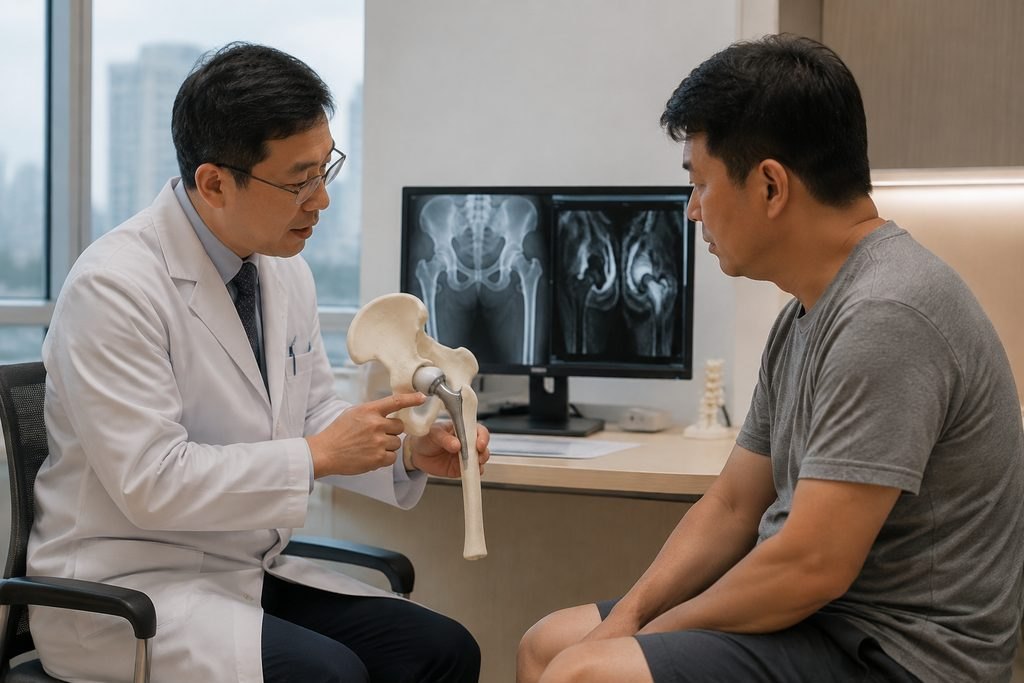
Prepare hip avascular necrosis records for a China orthopedic team to discuss joint preservation versus replacement using staging, imaging and prior surgery.
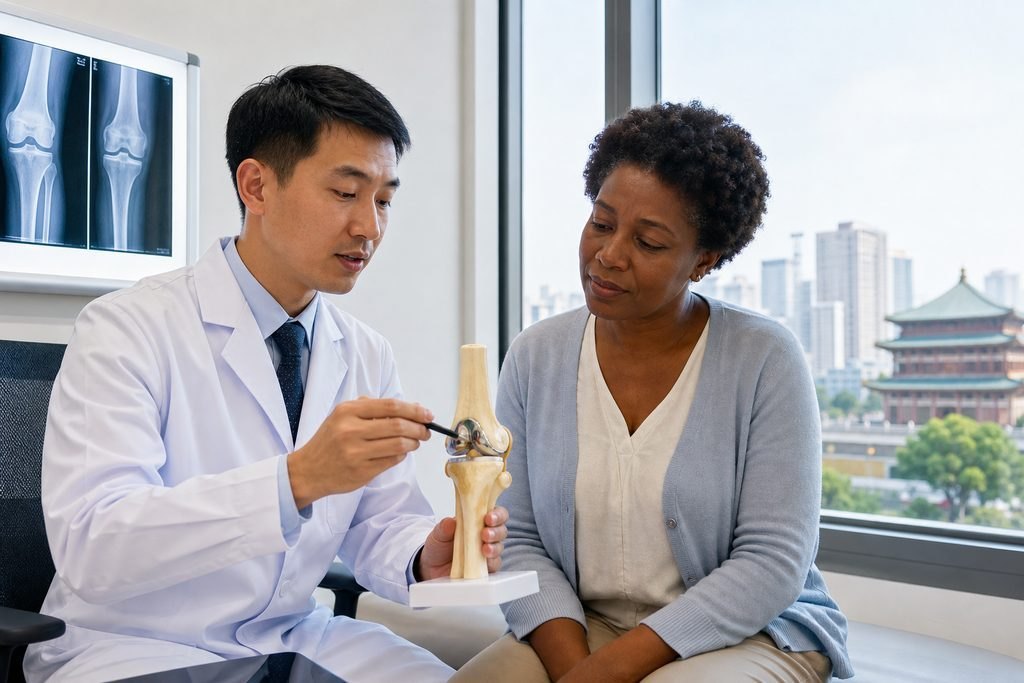
Request a written follow-up plan after total knee replacement in China: confirm records, contacts and who is responsible for each review.
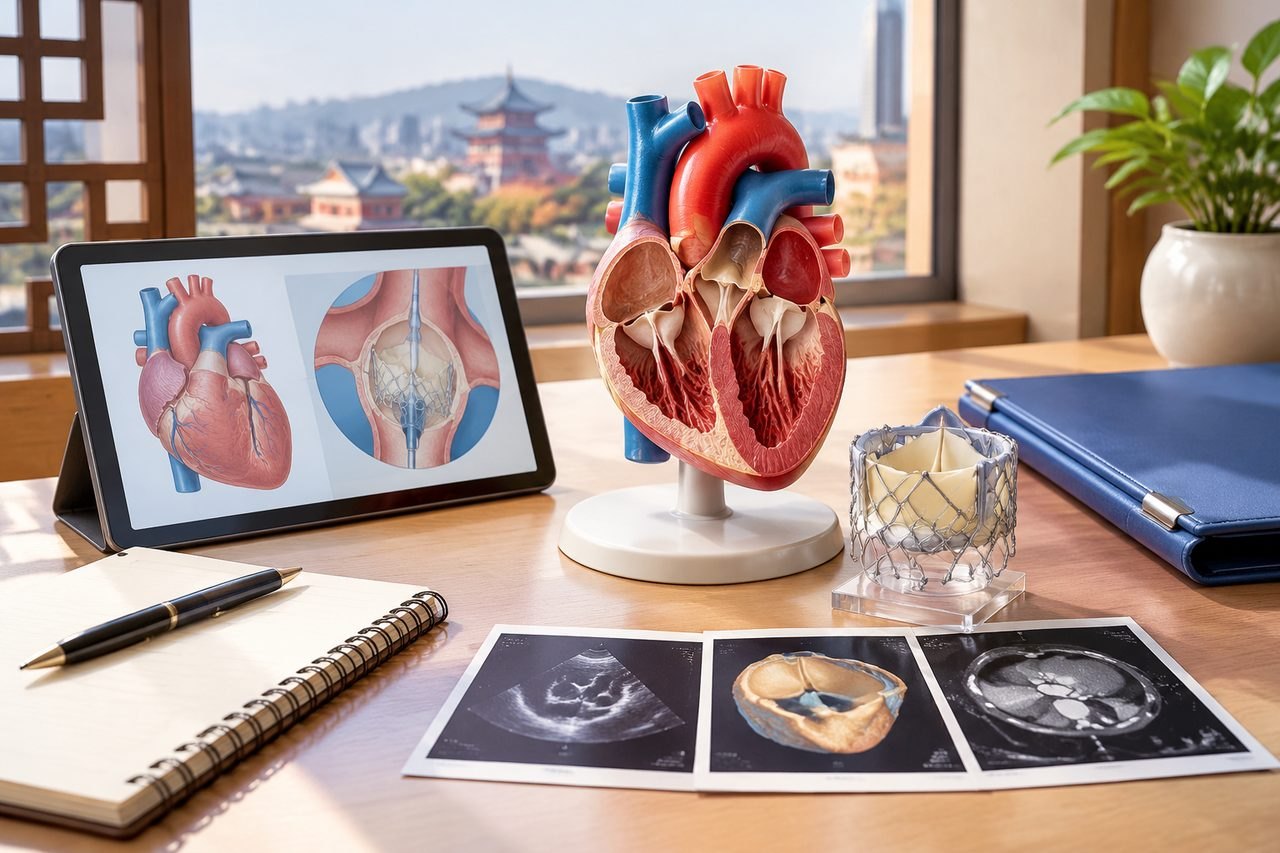
TAVR and TAVI replace the aortic valve without open-heart surgery. Learn what the treatment can and cannot address, and how the heart team decides.

Arrange a China records review for esophageal cancer alongside local chemotherapy, radiation or surgery, and use it to inform your own care team.

How to summarise previous bladder cancer treatments and results for a China hospital review, including pathology, staging, surgery and urinary reconstruction details.