

Procedures & recovery
Coronary Artery Disease in China: Which Questions Require an In-Person Assessment?
Which coronary artery disease questions need an in-person assessment in China, and what records help a specialist answer them?
Patient guides · care in China
Explore practical questions around a proposed procedure in China: what records to prepare, what to confirm with the treating team and how recovery and follow-up fit your visit.
Browse treatments by specialty → All archive pages →
Which coronary artery disease questions need an in-person assessment in China, and what records help a specialist answer them?
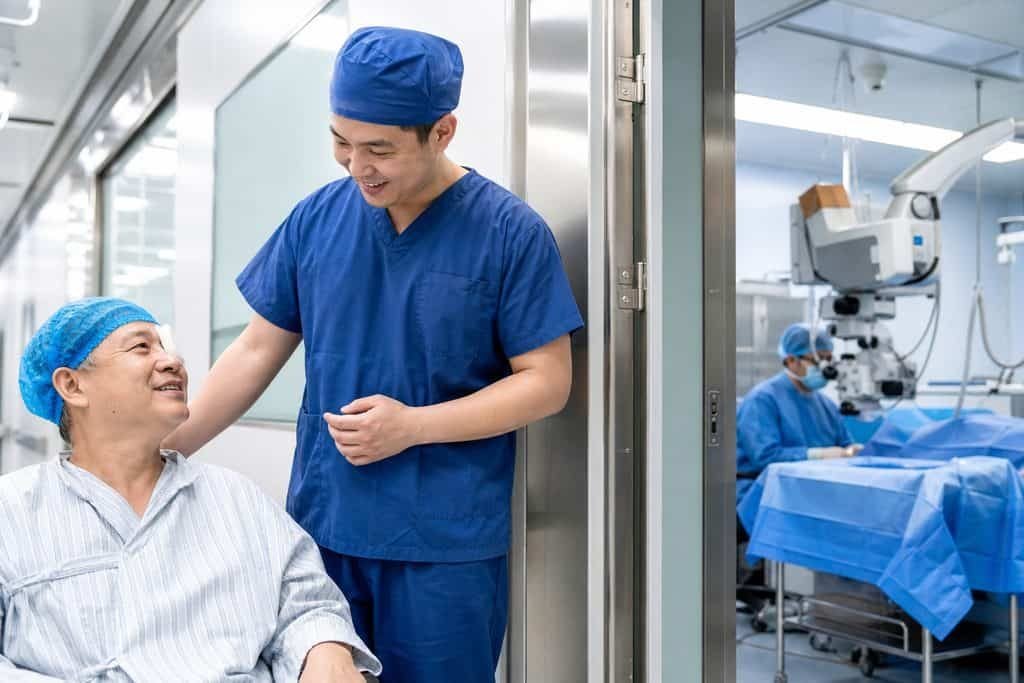
Prepare to discuss macular hole surgery aftercare in China: ask about the gas bubble, flying limits, positioning, records and who handles follow-up.
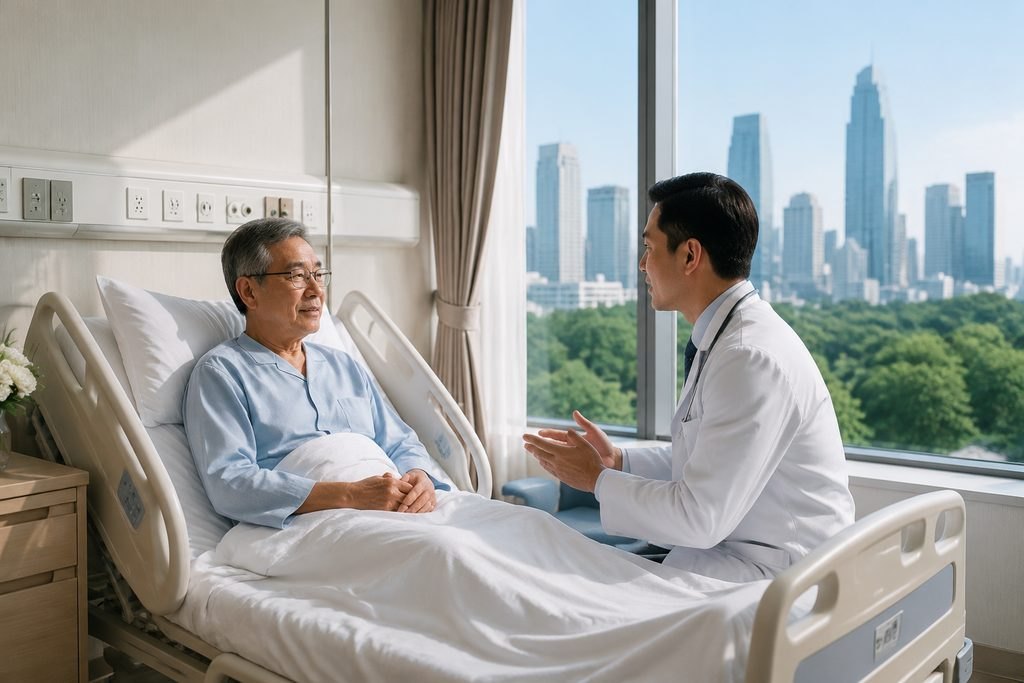
How to separate your personal goals from what a urologist can assess for benign prostatic enlargement, and what to prepare before seeking care in China.

How to compare itemised hospital quotes for IBD treatment in China by matching scope, records and continuing-care needs before you judge the total.
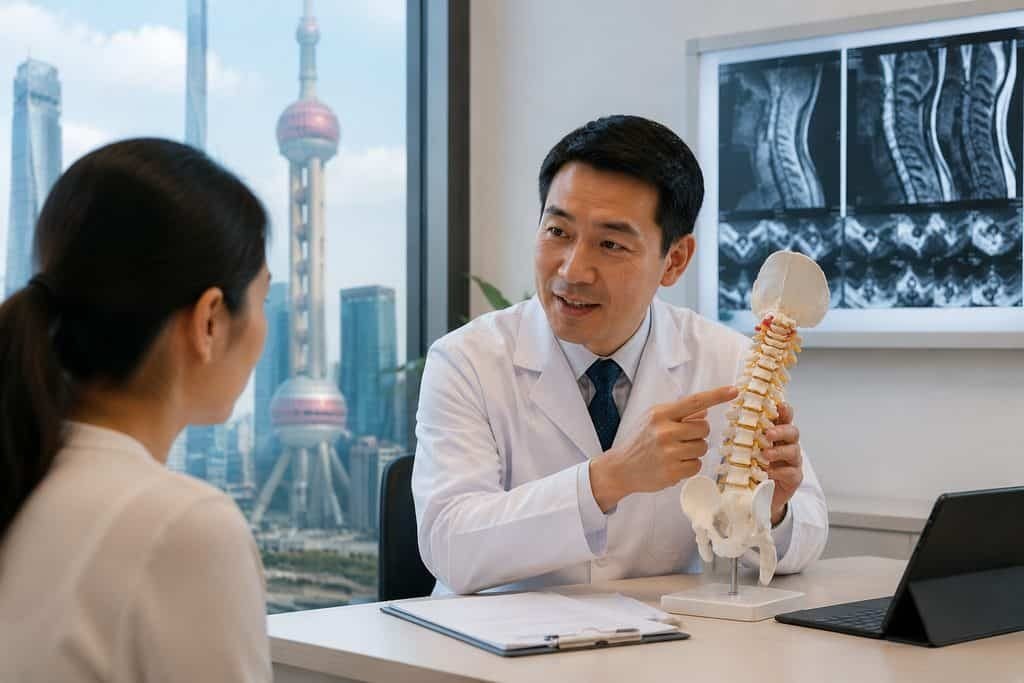
Before consenting to artificial disc replacement in China, get written answers on spinal levels, device, alternatives, follow-up review and rehabilitation.
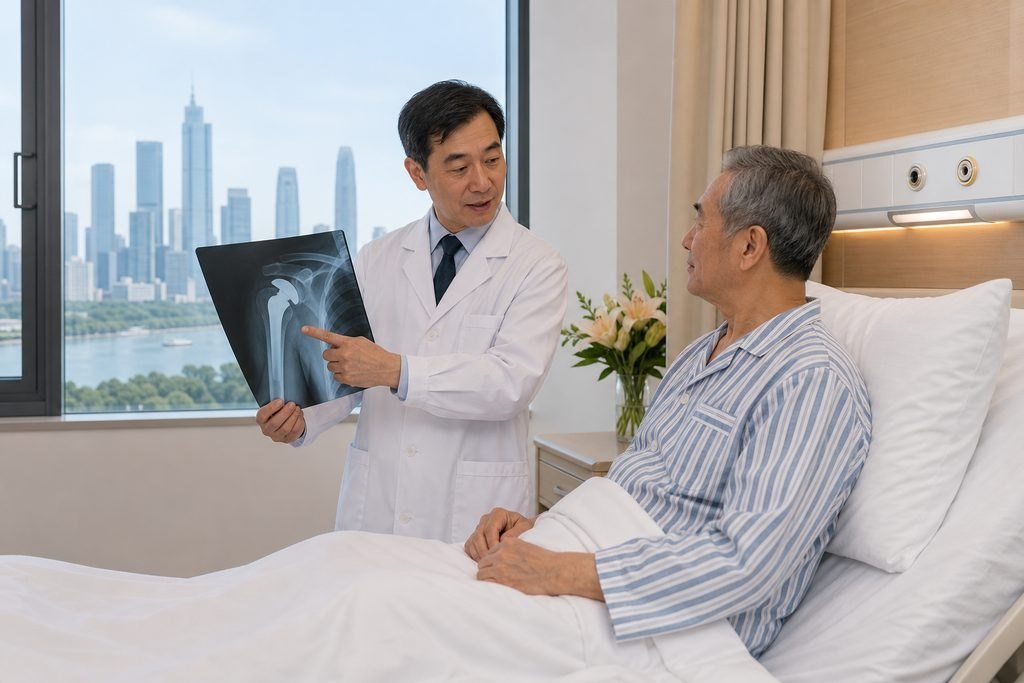
Shoulder replacement in China: what it can and cannot address, how conventional and reverse designs differ, and what to confirm with the treating team.

If your bladder cancer plan changed, compare diagnosis, staging and treatment records before asking a hospital in China to review your case.
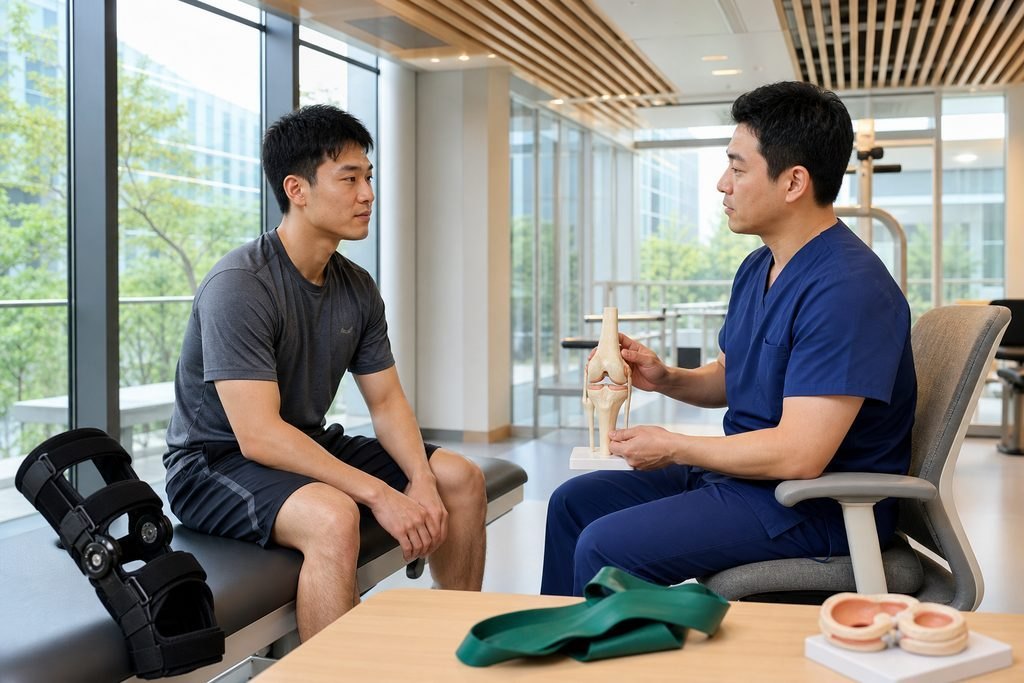
Planning a meniscal tear MDT in China? Ask how the team will address tear location, MRI findings, prior knee treatment and repair versus meniscectomy.
Planning adult congenital heart disease follow-up in China? Learn what childhood repair records and current anatomy details to prepare before you travel.
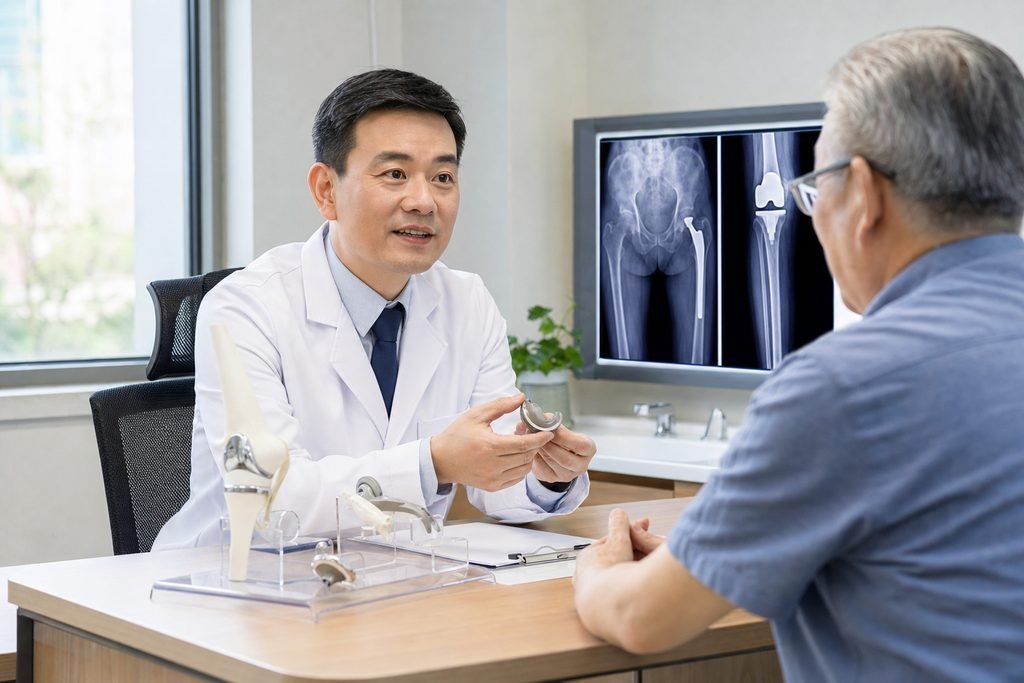
Get a written follow-up plan for revision hip replacement in China: implant records to send, staged surgery questions, rehabilitation and contact details.

Missing chest imaging or pathology before a lung lobectomy in China? Learn which records to request, who holds them, and how gaps affect the next step.

Lumbar spinal stenosis questions in China: learn what records can clarify and which answers require an in-person neurological assessment.
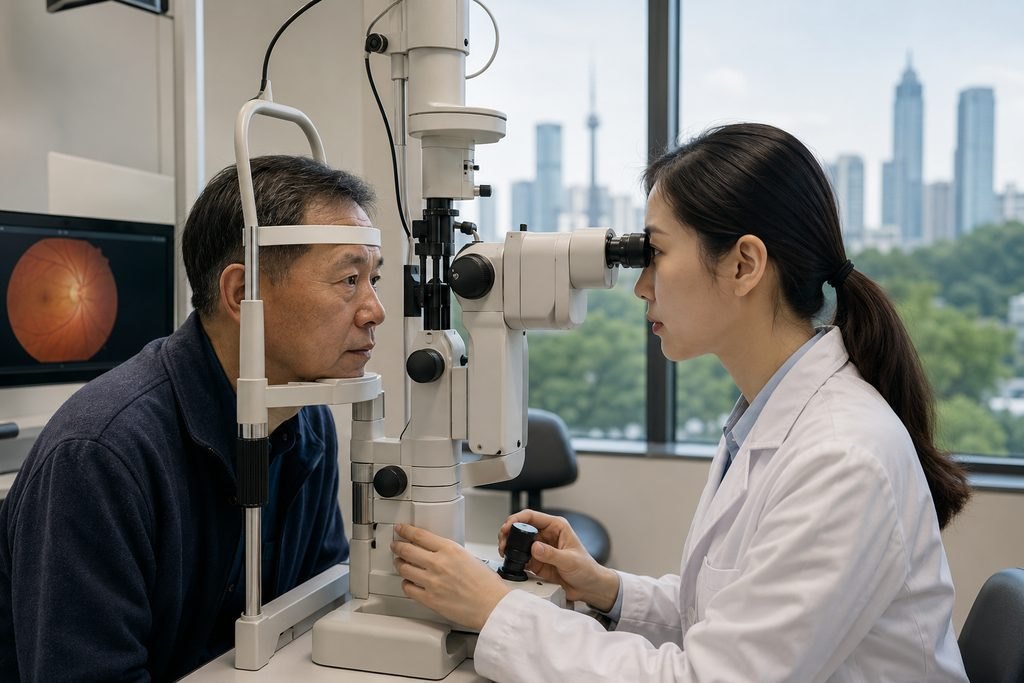
Planning glaucoma surgery in China? Learn how old tests and new assessments differ, what records to prepare, and what to confirm with the treating team.
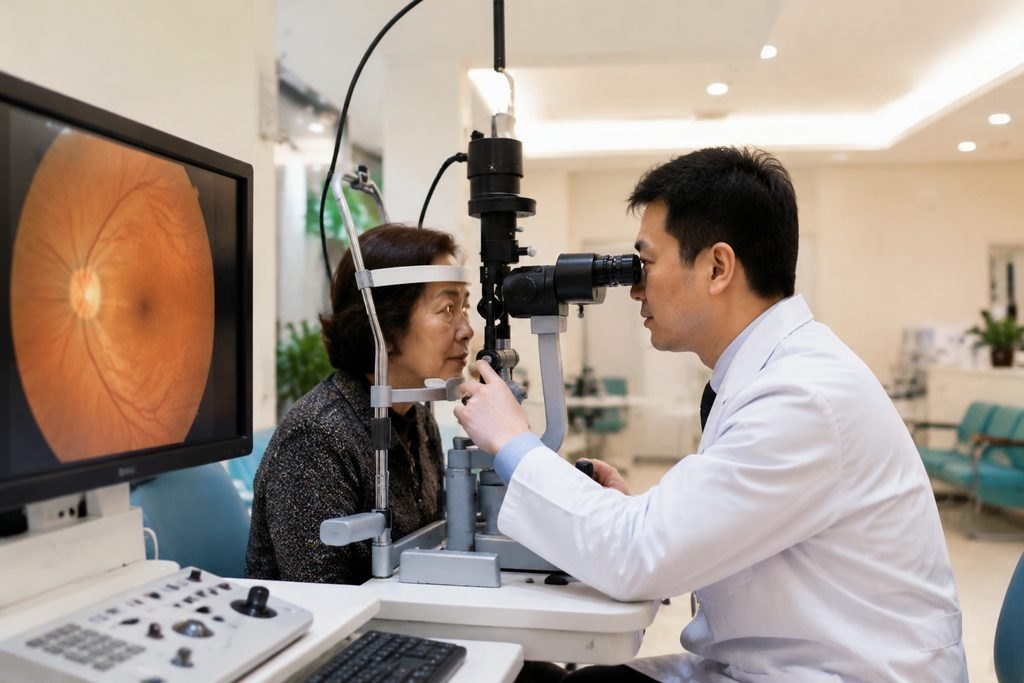
Prepare for your first in-person diabetic retinopathy discussion in China: bring retinal records and ask how treatment and reviews fit your diabetes care.
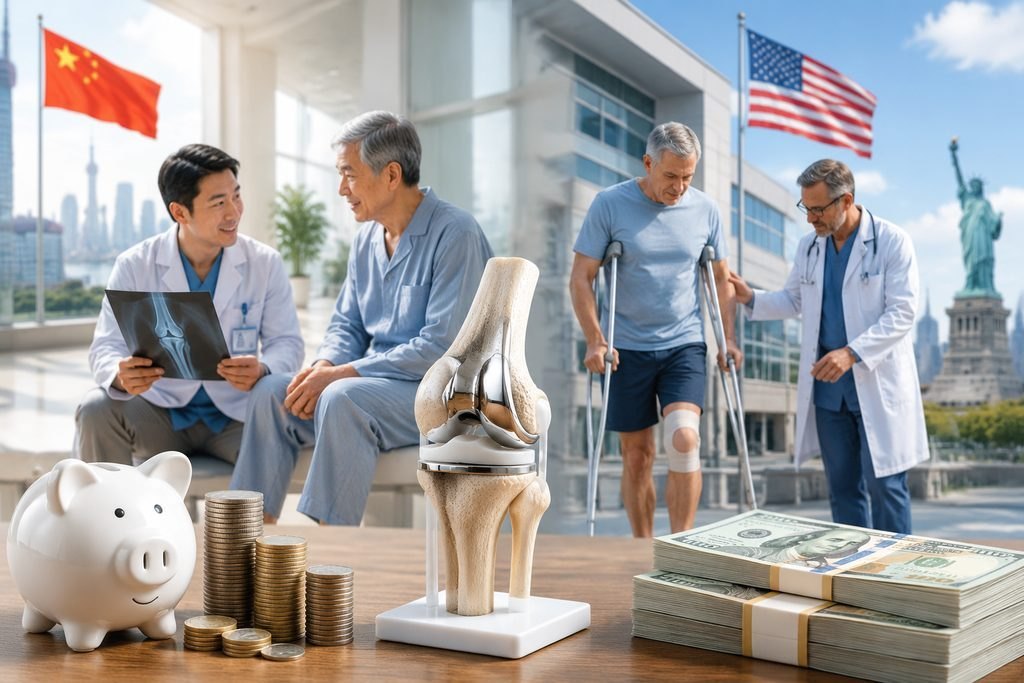
What existing knee records do Chinese hospitals need before assessing total knee replacement, and how to prepare a useful file for a records-based review.

Separate personal goals from what clinicians can assess for colorectal cancer care in China, using pathology, staging and multidisciplinary review.
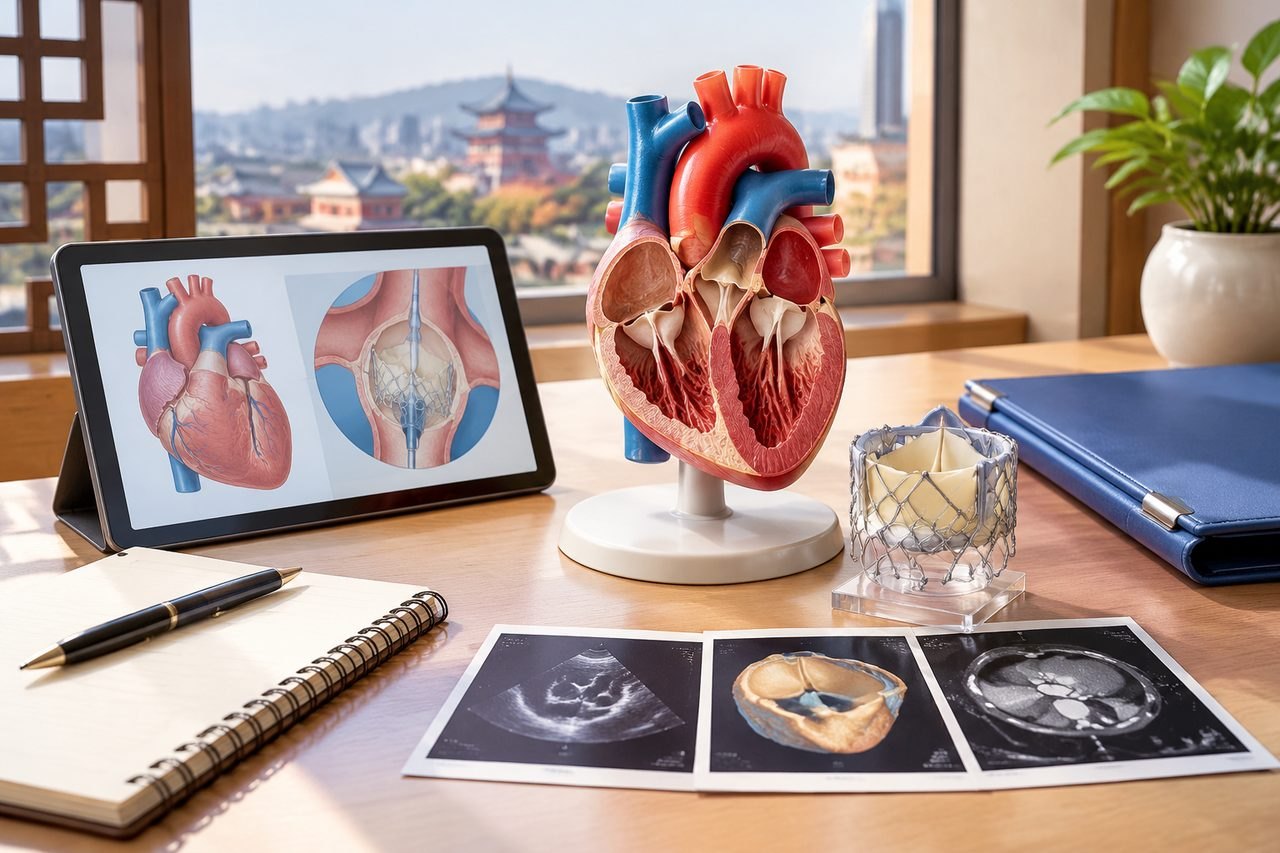
TAVR and TAVI replace the aortic valve without open-heart surgery. Learn what the treatment can and cannot address, and how the heart team decides.

How to separate your personal treatment goal from what a clinician can assess for a bile duct stricture, and what records to prepare before care in China.

How to get a written follow-up plan for sleep apnea surgery in China: what to record for sleep studies, prior CPAP, contacts and responsibilities.
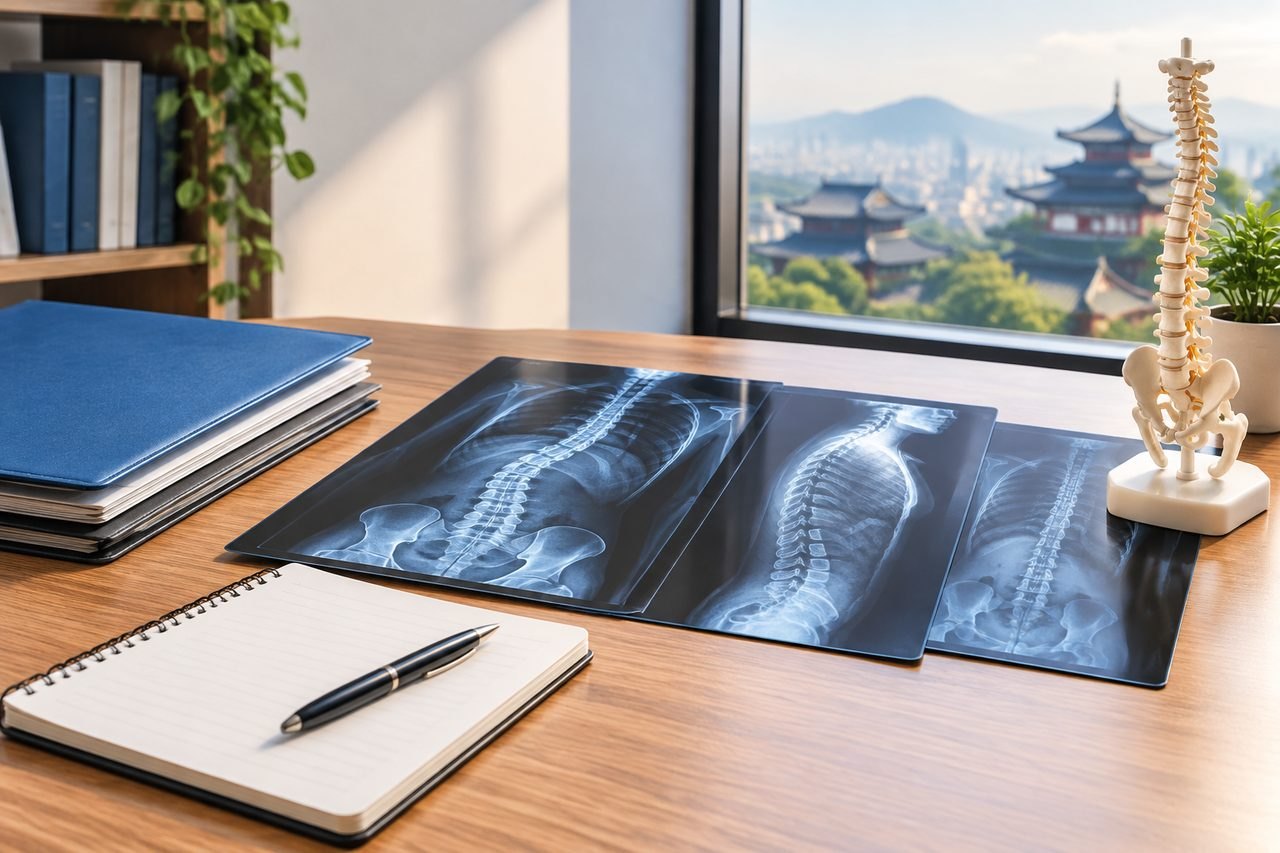
Why curve records matter for scoliosis surgery decisions in China, what measurements to ask about, and how to prepare records for a specialist review.

What to ask a China hospital about recovery support after robotic prostatectomy: catheter care, pathology review, continence and follow-up planning.
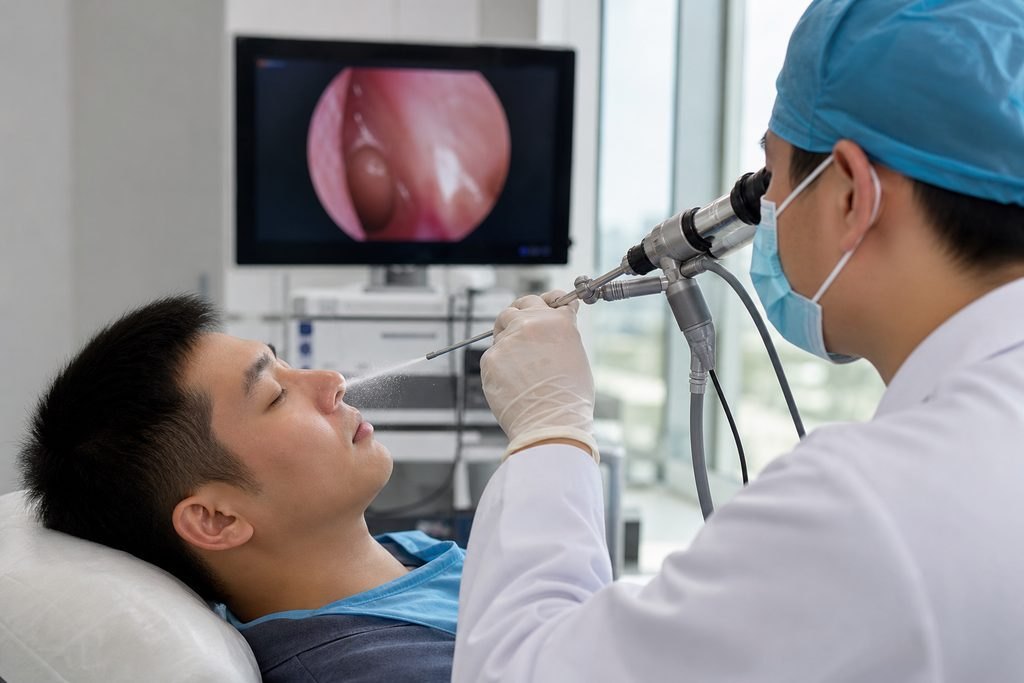
Present your earlier nasal treatment and results for chronic rhinosinusitis in China so a specialist can assess symptoms, imaging and surgical extent.

Planning breast cancer follow-up in China? Learn which records to prepare, what to ask the receiving team, and how to arrange a records-based review.

Which radiotherapy records matter, who to ask for them, and how gaps affect a China hospital's ability to plan treatment and schedule sessions.