

Procedures & recovery
Radiotherapy in China: What to Do When Records Are Missing
Which radiotherapy records matter, who to ask for them, and how gaps affect a China hospital's ability to plan treatment and schedule sessions.
Patient guides · care in China
Explore practical questions around a proposed procedure in China: what records to prepare, what to confirm with the treating team and how recovery and follow-up fit your visit.
Browse treatments by specialty → All archive pages →
Which radiotherapy records matter, who to ask for them, and how gaps affect a China hospital's ability to plan treatment and schedule sessions.

Documenting prior nonsurgical care for lumbar disc herniation in China: leg symptoms, MRI records and how response guides procedure alternatives.

Missing lymphoma records do not block an enquiry. Learn which pathology and response documents to request, from whom, and what each reply confirms.

After testicular cancer surgery, ask a China hospital how pathology review, fertility and further treatment would be sequenced, and what records it needs.

POEM for achalasia in China: what it can and cannot address, why swallowing tests and prior treatment matter, and what to confirm before care.

New prostate tests can change a HoLEP plan. Learn what to re-confirm with the treating team in China before you travel or agree to surgery.

Present your Crohn's disease medicine and surgery history clearly to a Chinese hospital so specialists can assess your case efficiently.
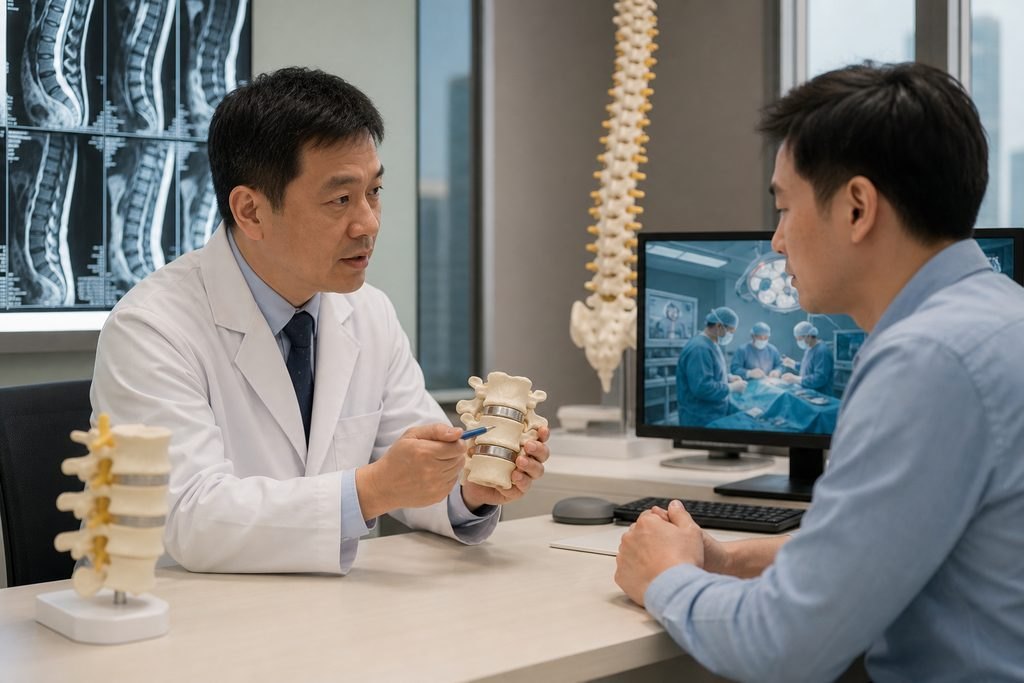
Learn which cervical radiculopathy questions need an in-person assessment in China, what records help, and how to prepare for a specialist appointment.
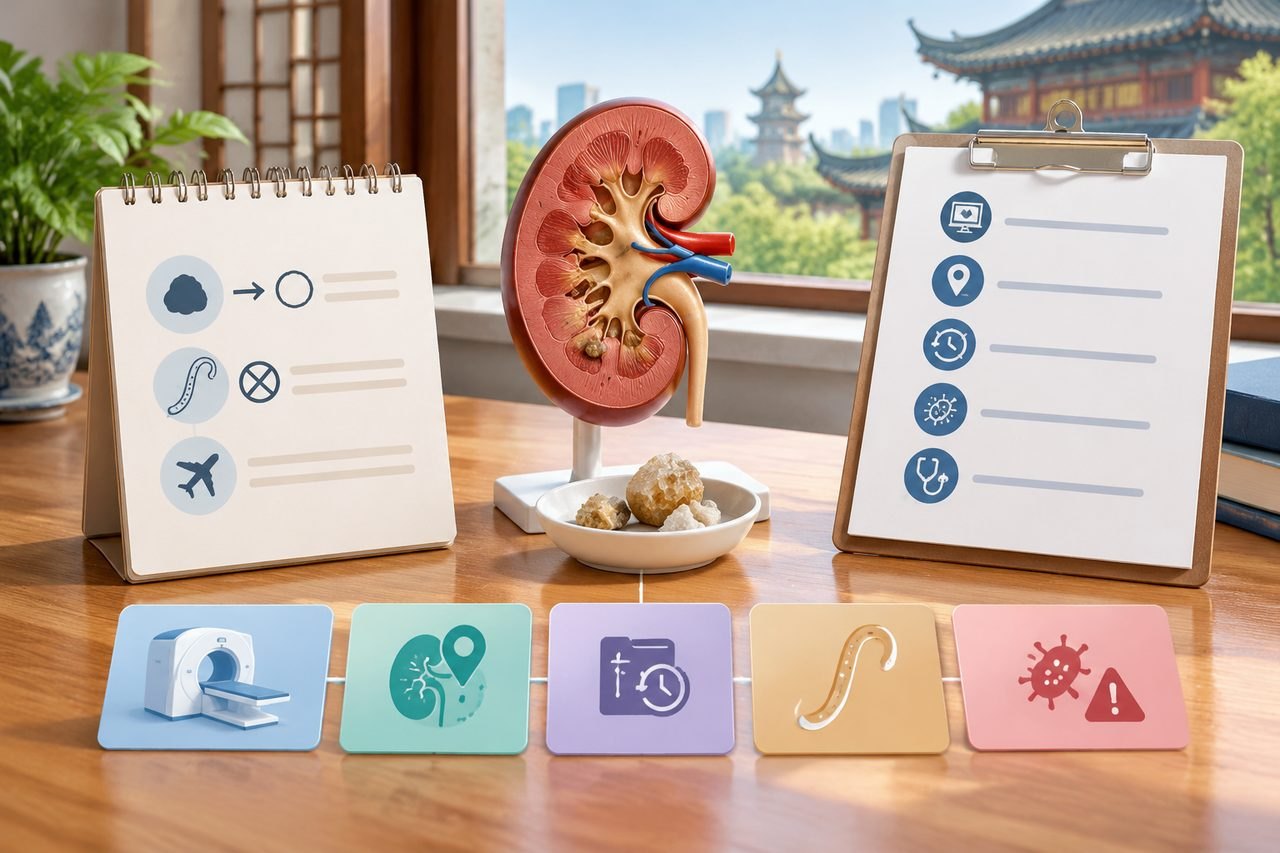
Before planning kidney stone care in China, separate your personal goal from what clinicians can assess. Learn which records and questions matter.

How to summarise previous bladder cancer treatments and results for a China hospital review, including pathology, staging, surgery and urinary reconstruction details.

Missing kidney cancer records leave feasibility unclear: what to confirm with the treating team in China about tumour, kidney function and prior surgery.

How to exchange imaging, pathology and surgical questions between your home glioma team and a Chinese hospital before you commit to surgery.
Ask a China adult congenital heart team how prior repairs shape surgical risk and alternatives, without expecting a personal recommendation.

A changed NSCLC recommendation raises questions about diagnosis, pathology, biomarkers, prior therapy and goals. Learn what to verify before care in China.

How existing health conditions and records shape esophagectomy assessment in China, and what to ask about staging, surgical scope and nutrition planning.

Which lumbar decompression records matter, who to ask for each one, and how gaps affect the next step with a Chinese hospital.

How to discuss glaucoma surgical goals with a China eye team: pressure and visual-field trends, current drops, and what surgery can and cannot achieve.
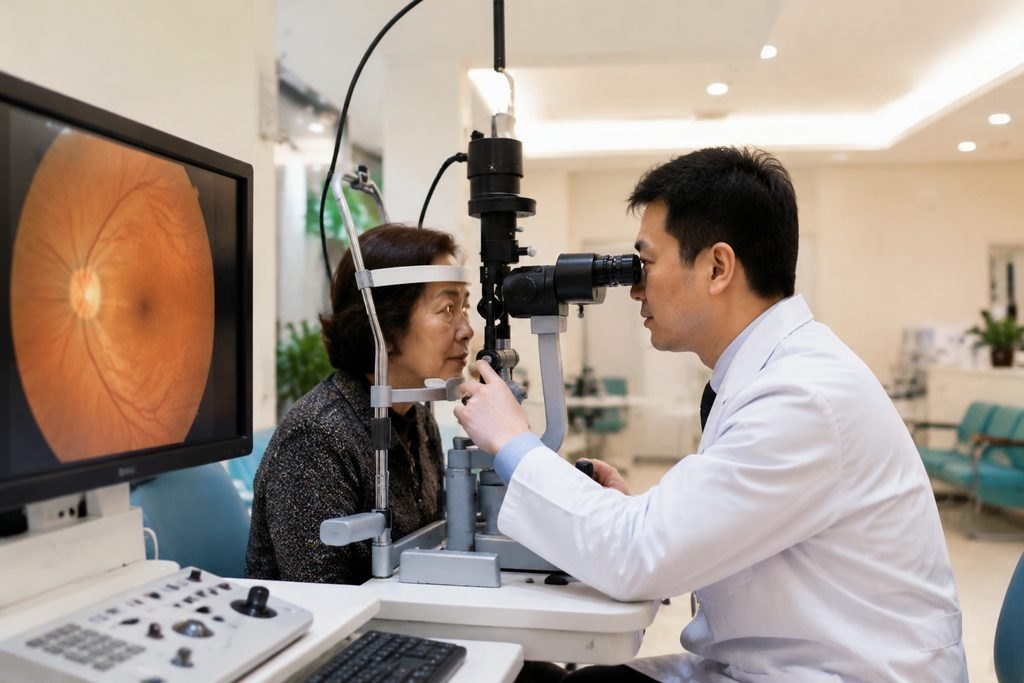
How to ask a China eye team about diabetic retinopathy treatment risks, alternatives and coordination with your existing diabetes and eye care.
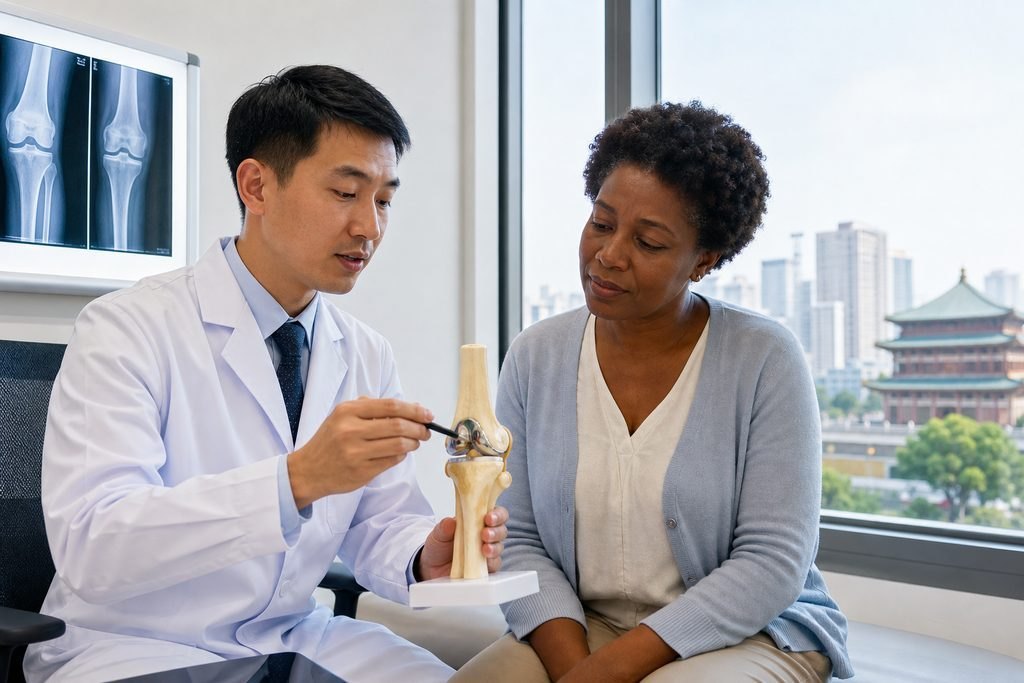
Request a written follow-up plan after total knee replacement in China: confirm records, contacts and who is responsible for each review.

After head and neck tumour surgery in China, plan your handover: operation records, pending results and questions for your receiving rehabilitation clinician.

Prepare for a first bile duct stenting discussion in China: records to bring, questions about the proposed stent, and who manages follow-up care.

What an MDT discussion for drug-resistant epilepsy in China should answer: seizure and EEG records, medicines tried, and the limits of any review.
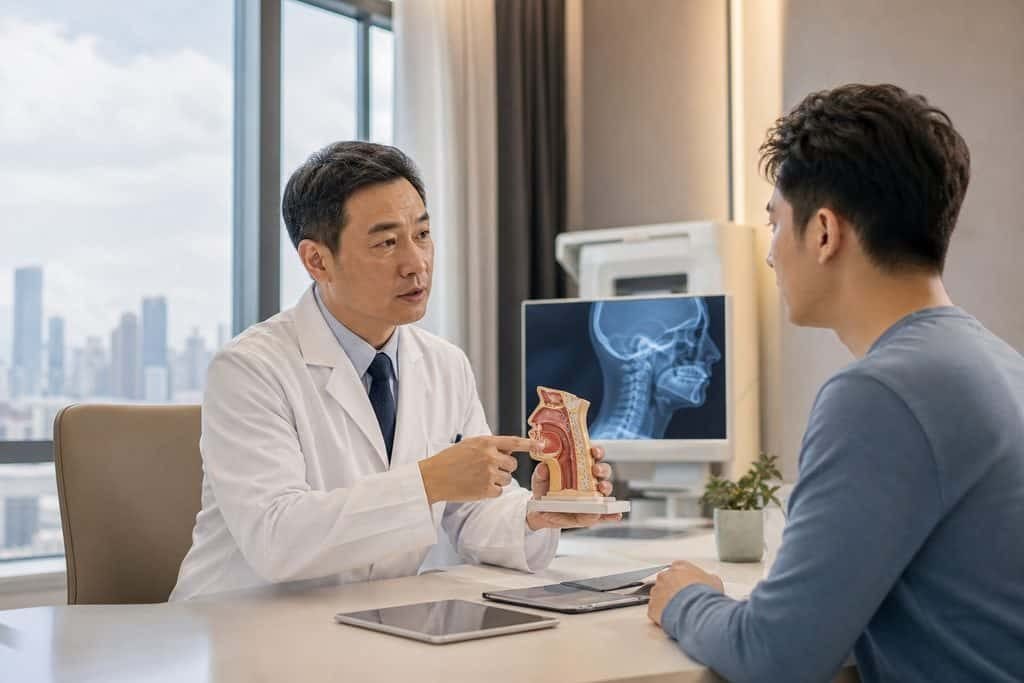
How to compare itemised hospital quotes for sleep apnea surgery in China by matching scope, sleep-study records and planned follow-up before deciding.
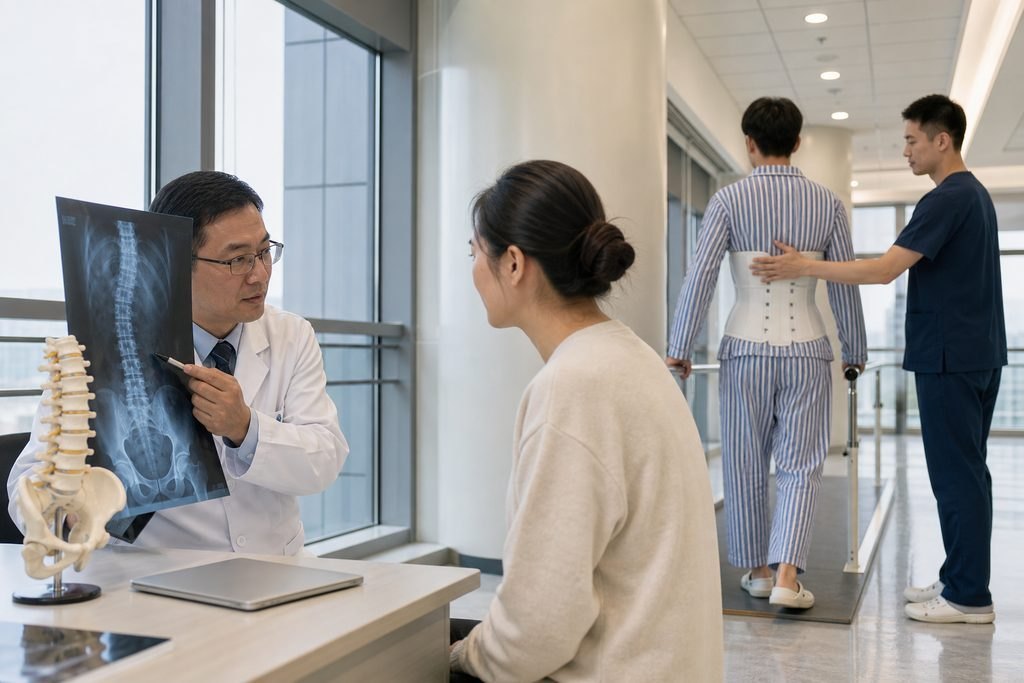
If your child has scoliosis, learn which growth and curve records to prepare, what to ask the surgeon in China, and how to plan a records-based review.